
How To
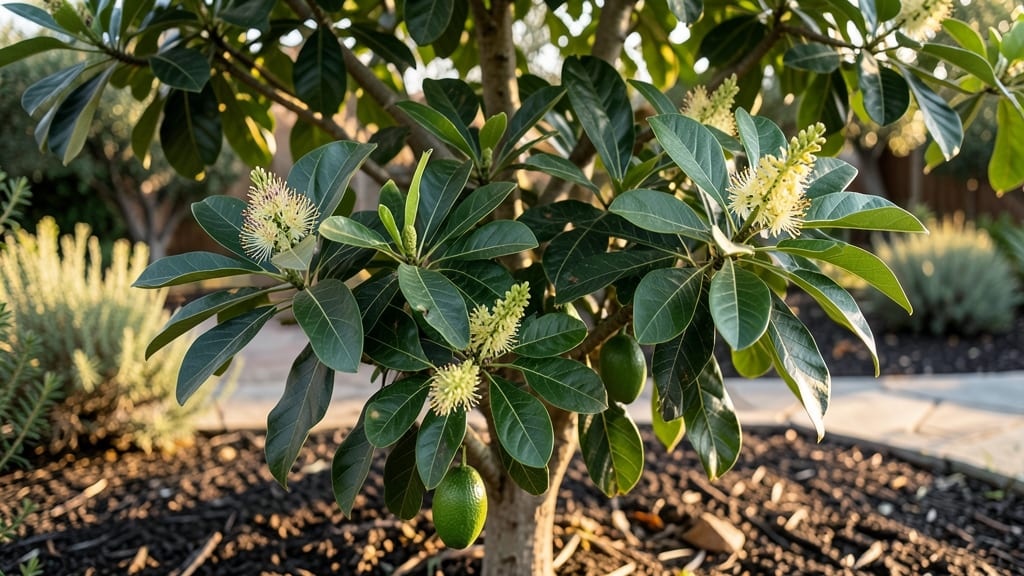
Avocado bloom to fruit transformation requires pollination between Type A and Type B trees, with fruit development unfolding through distinct stages from fertilization to maturity over 6-12 months.
Understanding this process starts with the flower types—Type A trees bloom in spring, while Type B trees follow in late summer. 🌸 Without both types nearby, pollinators like bees can't transfer pollen effectively, which is why single-tree gardens rarely produce fruit.
Even with proper pollination, environmental factors like temperature swings or drought can disrupt fertilization, causing buds to drop before developing into fruit.
The timeline varies by variety, but you'll typically see tiny green fruitlets appear within 4-6 weeks after successful pollination, growing rapidly during summer months before slowing as they near maturity.
Monitoring your avocado tree involves checking for flower drop (a sign of failed pollination) and observing the fruit's color shift from green to its mature hue. Patience is key—some varieties take nearly a year to reach harvest size, while others mature faster.
If you're growing multiple trees, spacing them properly (about 20 feet apart) ensures cross-pollination success and maximizes your fruit yield.
💡 In This Article
- Avocado Flower Types and Pollination Requirements
- Step-by-Step Avocado Fruit Development Timeline
Avocado flower types and pollination requirements
Avocado trees produce two distinct flower types that bloom at different times of year: Type A trees flower in spring (typically February-March in warm climates), while Type B trees bloom in late summer (August-September).
This staggered timing creates a natural system where each type provides pollen when the other is receptive.
The flowers themselves are small, greenish-yellow, and lack petals, making them less visually striking than fruit trees like apples. 🌿 What's fascinating is that each flower contains both male and female reproductive parts, but they mature at different rates—male parts release pollen first, while female parts become receptive 24-48 hours later.
The cross-pollination process relies heavily on insects, primarily bees, which transfer pollen between compatible trees. Without both types nearby (within about 100 feet), fertilization fails, leading to flower drop—a common frustration for home growers with single trees.
Environmental factors further complicate this: temperatures below 55°F or above 95°F can disrupt pollinator activity, while humidity below 40% causes flowers to wither before pollination occurs. Even with perfect conditions, only about 1-5% of pollinated flowers will successfully develop into fruit due to the tree's natural fruit-set regulation mechanism.
Here's what happens when pollination succeeds: The fertilized ovule begins dividing rapidly, forming the fruit's outer skin while developing internal structures like the seed. This transition from flower to fruit typically takes 4-6 weeks to become visible as a tiny green bump.
The key visual cue is the flower's base swelling slightly—this is your first sign that fertilization worked. 🌱 What most gardeners miss is that avocado trees often drop excess fruitlets (a process called "June drop") to focus resources on developing the healthiest remaining fruits, which is why you might see a sudden reduction in fruit count after initial set.
For optimal pollination, plant at least one Type A and one Type B tree together. Some varieties (like 'Hass') are Type B, while others (like 'Fuerte') are Type A—check your tree's classification before purchasing.
Artificial pollination methods exist but require precision: using a small brush to transfer pollen between flowers during peak receptivity (early morning when flowers are open). This technique works best in controlled environments where natural pollinators are absent, such as greenhouses or urban areas with limited bee activity.
Temperature plays a critical role beyond just pollination. Avocado flowers need consistent warmth to develop properly—ideal conditions are 70-85°F during the day with 60-70°F nights. Sudden temperature drops can cause flowers to abort, while excessive heat above 90°F for prolonged periods leads to flower drop.
Humidity matters too: levels between 50-70% support healthy flower development, while dry conditions cause flowers to dry out before pollination can occur. These environmental factors explain why avocado trees in desert climates often require supplemental irrigation during flowering seasons.
Understanding these requirements helps explain why single-tree gardens rarely produce fruit—without cross-pollination, the entire flowering process fails silently. The solution is simple but often overlooked: plant complementary varieties together.
For example, pairing a Type A 'Fuerte' with a Type B 'Hass' creates a self-sustaining pollination system that maximizes your chances of seeing those familiar avocado fruits develop over the following months. 🌟