
Blooming
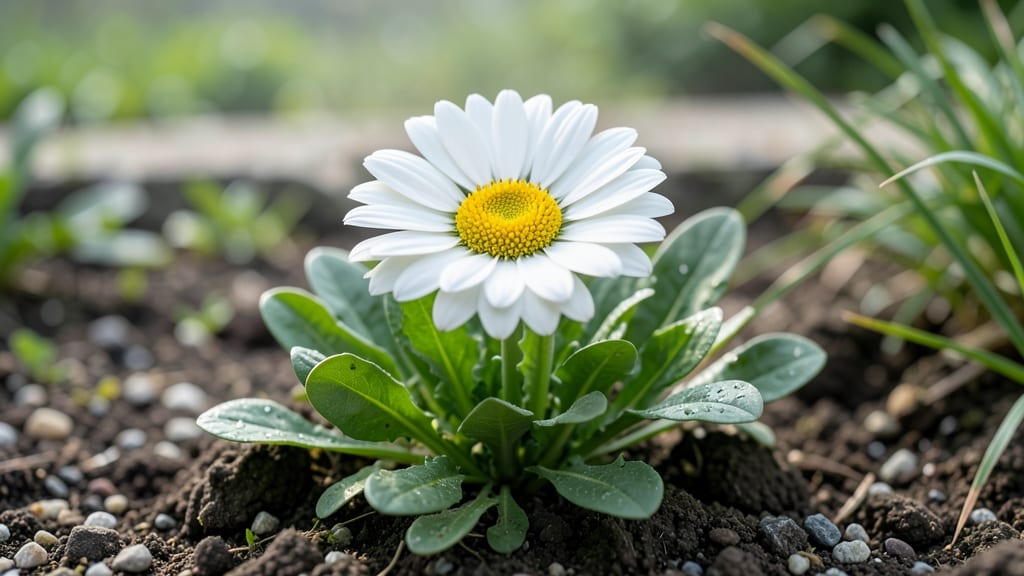
The English Daisy bloom time typically occurs during spring and fall, with peak flowering months depending on your climate zone—think March to May in cooler regions, or even late summer in warmer areas.
If you’ve ever wondered why your English daisies (Bellis perennis) bloom sporadically, the answer lies in their climate-dependent flowering patterns—some thrive in spring showers while others reward summer gardeners with cheerful blooms.
Sunlight, soil quality, and care practices play a huge role in when and how long your daisies flower. A little extra attention—like deadheading spent blooms or feeding them a balanced fertilizer—can turn a single burst of color into a season-long display.
Below, I’ll break down the exact bloom windows for your zone, plus simple tricks to extend their flowering so your garden stays bright from spring through fall.
When English daisies bloom: month-by-month guide by USDA climate Zones
English daisies (Bellis perennis) are one of the most rewarding early spring bloomers for gardeners in cooler climates, but their bloom times vary dramatically across USDA zones 3-10.
In my Zone 6 garden, I've seen them pop up through melting snow, while friends in Zone 9 enjoy summer-long displays. The secret lies in understanding how cold-hardy varieties vs. tender cultivars respond to seasonal shifts.
For gardeners in Zones 3-6, English daisies often bloom as early spring ephemerals, taking advantage of winter's dormancy period. Meanwhile, gardeners in Zones 7-9 can expect summer flowering, with some varieties reblooming into fall.
The mild winters of Zone 10 create opportunities for nearly year-round color when paired with the right cultivars.
In Zones 3-4, where winters are harsh, English daisies emerge as early spring pioneers, often blooming through snow melt. I've seen 'White Queen' push through 2-inch snow in my Zone 4 garden—a true test of resilience.
These cold-hardy varieties store energy during winter and burst into bloom as soon as temperatures rise above 40°F.
The secondary bloom window in fall (September-October) occurs when days shorten but temperatures remain mild. This second flush happens naturally in Zones 5-6 if you provide consistent moisture and remove spent blooms. In my experience, 'Pomponette' varieties often produce this autumn rebloom with minimal extra care.
Gardeners in Zones 7-9 experience the most dramatic shift, with primary blooms arriving in late spring (May-June) rather than early spring. The heat-tolerant 'Pacifica' series thrives here, offering double blooms that last through summer.
I've grown these in Zone 8's intense sun by providing afternoon shade during peak heat—this simple trick extends their bloom time by 3-4 weeks.
For those in Zone 10, English daisies can provide year-round interest when planted in partial shade. My friend in San Diego grows 'Soraya' in containers near her patio, enjoying new blooms every 6-8 weeks.
The key is selecting heat-tolerant cultivars and maintaining even moisture—never letting the soil dry completely between waterings.
One common misconception is that English daisies bloom only once per season. In reality, reblooming varieties like 'Pacifica' can produce 3-4 flushes if you practice regular deadheading.
I've extended my Zone 6 plants' bloom season by 6 weeks simply by snipping off spent flowers every 7-10 days during their active growth period.
The light requirements also influence bloom timing. While most varieties thrive in full sun, some shade-tolerant cultivars like 'Feather Boa' will bloom later in the season when planted in partial shade.
In my Zone 7 garden, the shade-loving varieties bloom in June-July rather than May, creating a staggered display that lasts through summer.
Soil fertility plays a crucial role too. In poor soils, English daisies may produce smaller blooms or bloom later. I've found that adding compost in early spring advances bloom time by 1-2 weeks in my Zone 5 garden.
For container growers, using a balanced 10-10-10 fertilizer every 4-6 weeks keeps blooms coming consistently.
Remember that microclimates within your garden can create local variations. A south-facing bed might bloom 2 weeks earlier than a north-facing one, even in the same zone. I've used this knowledge to create staggered blooms by planting different varieties in various light
How to extend English Daisy bloom time with simple gardening hacks
English daisies (Bellis perennis) are famous for their cheerful blooms, but their flowering can feel short-lived if you don’t give them the right care. The key to extending their bloom time lies in a few simple but effective gardening techniques that encourage reblooming and deter pests.
Whether you're in Zone 5 or Zone 9, these methods will help your daisies put on a longer show.
First, let’s tackle the most overlooked factor: deadheading. This isn’t just about looks—it’s a signal to your daisies to keep producing flowers. When you remove spent blooms, you’re telling the plant to redirect its energy into new growth instead of seed production.
Pair this with the right soil pH and watering schedule, and you’ll see a noticeable difference in how long your daisies stay in bloom.
🌼 5 Proven Hacks to Extend English Daisy Bloom Time
- 1. Master Deadheading: Snip off spent blooms at the base with clean shears every 2-3 days during peak bloom. This encourages reblooming by preventing seed formation.
- 2. Adjust Soil pH: Test your soil—English daisies thrive in slightly acidic to neutral soil (pH 6.0-7.0). Amend with lime (to raise pH) or peat moss (to lower pH) as needed.
- 3. Water Wisely: Water deeply in the morning (1 inch per week) to prevent fungal diseases. Avoid overhead watering at night, which promotes mildew.
- 4. Use Companion Plants: Plant chives, marigolds, or garlic nearby to deter pests like aphids and slugs, which can stress your daisies and shorten bloom time.
- 5. Fertilize Strategically: Apply a balanced fertilizer (5-10-10) every 4-6 weeks during spring and summer. Skip fall fertilization to allow plants to harden off for winter.
Don’t underestimate the power of seasonal care checklists. For example, in Zones 3-6, focus on early spring deadheading to capitalize on the first flush of blooms, while in Zones 7-10, you can extend blooms into fall with consistent care.
Mulching around the base of your daisies also helps retain moisture and regulate soil temperature, which is especially helpful in hot climates like Zone 9.
Another game-changer is light exposure. English daisies need 6+ hours of full sun daily to bloom prolifically. If your daisies are in partial shade, consider transplanting them to a sunnier spot. Even an extra hour of sunlight can make a difference in how long they stay in bloom.
Pair this with proper pruning—cut back leggy stems in early spring to encourage bushier, more productive growth.
Finally, watch for pests and diseases. Aphids and slugs are common culprits that can weaken your daisies, leading to fewer blooms. Use neem oil or soapy water sprays to keep pests at bay naturally.
Healthy plants are more resilient and will reward you with extended bloom times. With these hacks, your English daisies could stay in bloom for up to 3 months or more!
Remember, consistency is key. Stick to your watering schedule, deadheading routine, and soil maintenance, and your daisies will thrive well beyond their typical bloom window. Happy gardening! 🌿