
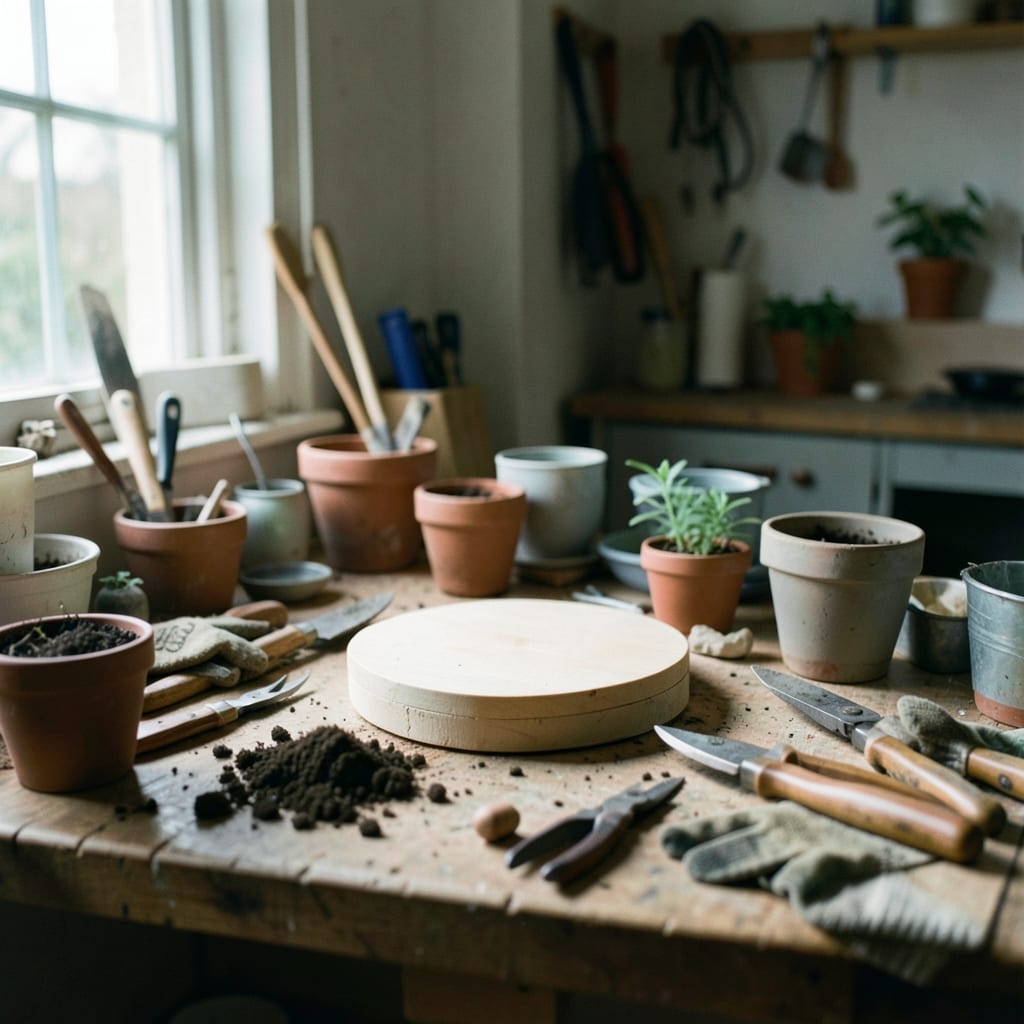
What this work is made with
This page is a list of things, not a story. Gardening lives in the soil, the tools, the hands that shape it—not just in the words. Here, we name what holds the work together.
Colorful Blooms is a place for growing things, whether you’re starting with a single seed or tending a patch of earth. The site is built on the things that have taught us how to nurture plants, and how plants teach us in return.
The things that do the work
These are the objects that shape what you’ll find here: the worn-out trowel, the cracked seed tray, the rusted pruning shears, and the wooden stake that has held up more than it should. They’ve all left their mark on the soil—and on the site.
The trowel
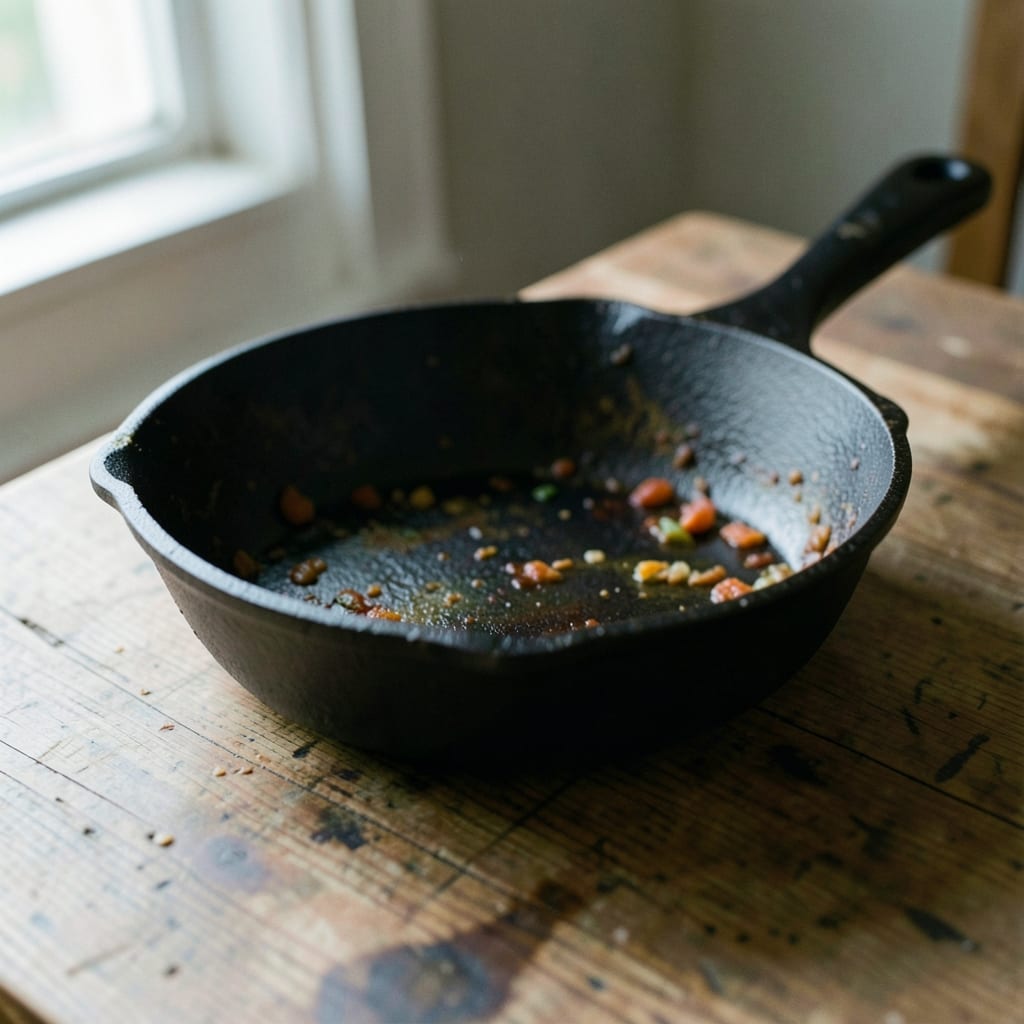
A bent, nickel-plated trowel with a handle worn smooth from years of digging. It’s been here since 2018, when it first split the first row of marigold seeds in a rented garden plot in Columbus.
It taught us that the best tools don’t need to be new. This one’s handle is loose now, held together by duct tape, but it still slices through soil cleaner than any expensive replacement.
It’s the one we use when we’re showing someone how to plant a seed—because it proves you don’t need perfection, just patience.
The seed tray
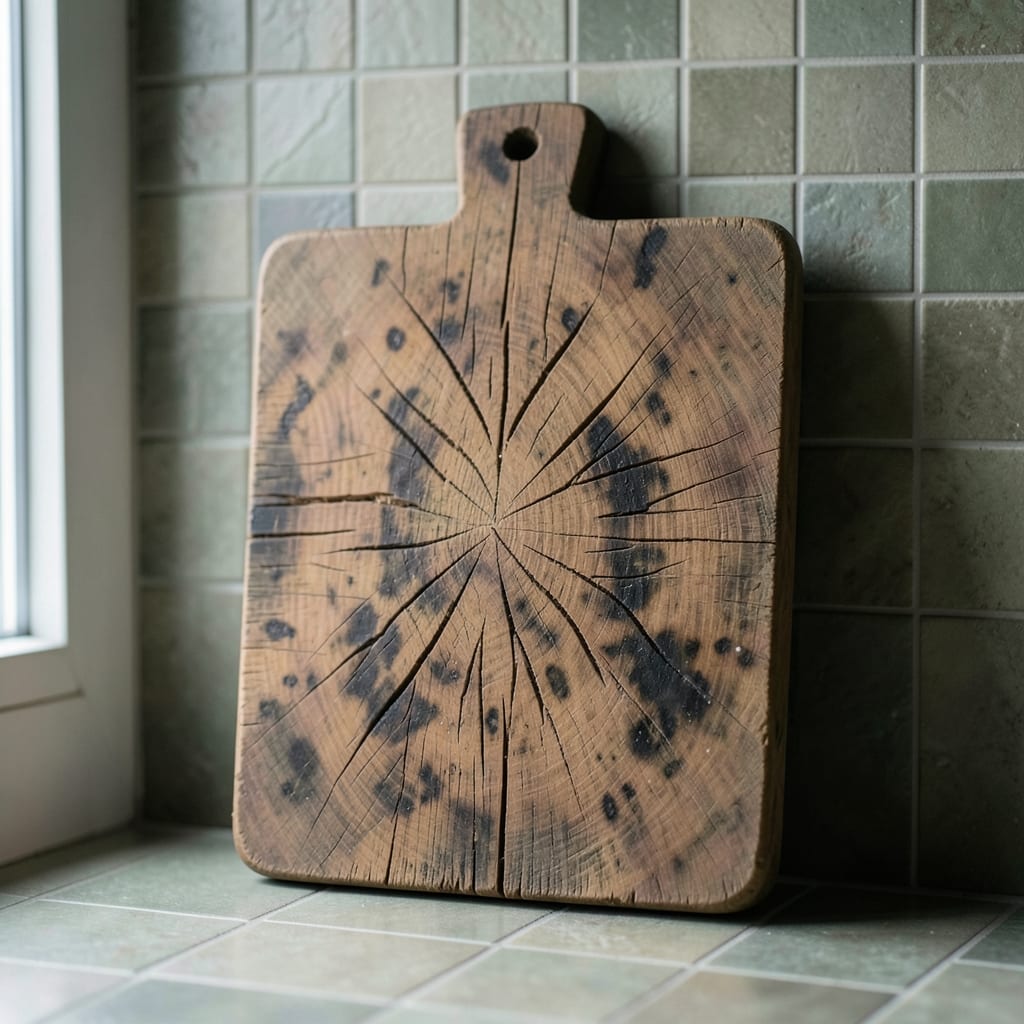
A plastic seed tray, cracked down the middle and held together with packing tape. It’s been here since 2015, when it first held basil seeds in a kitchen windowsill. The cracks let water pool in places it shouldn’t, but it’s the one we still use for starting tomatoes every spring.
It taught us that failure is part of the process. Some seeds rot in the cracks, some never sprout, but the ones that do always seem to grow stronger. It’s the tray we photograph when we write about why seed-starting doesn’t have to be flawless.
The pruning shears
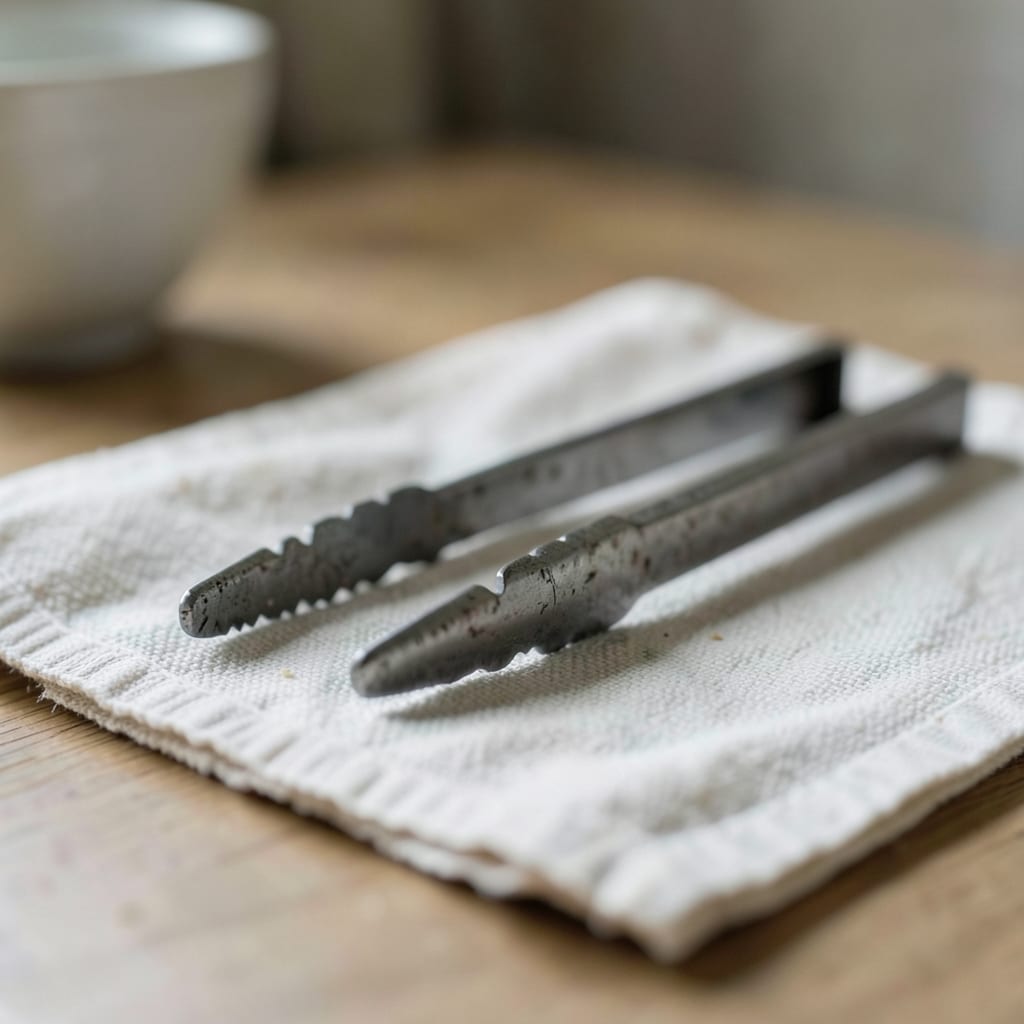
A pair of rusted bypass pruners with a blade that’s dull in spots. They’ve been here since 2016, when they first cut back a overgrown rosemary bush in a backyard in Cleveland. The rust never comes off, no matter how hard we scrub.
They taught us that sharpness matters—but so does knowing when to stop. These shears have snipped hundreds of stems, and they’ve taught us that pruning isn’t about perfection. It’s about balance, and about trusting that the plant knows what it needs.
The wooden stake
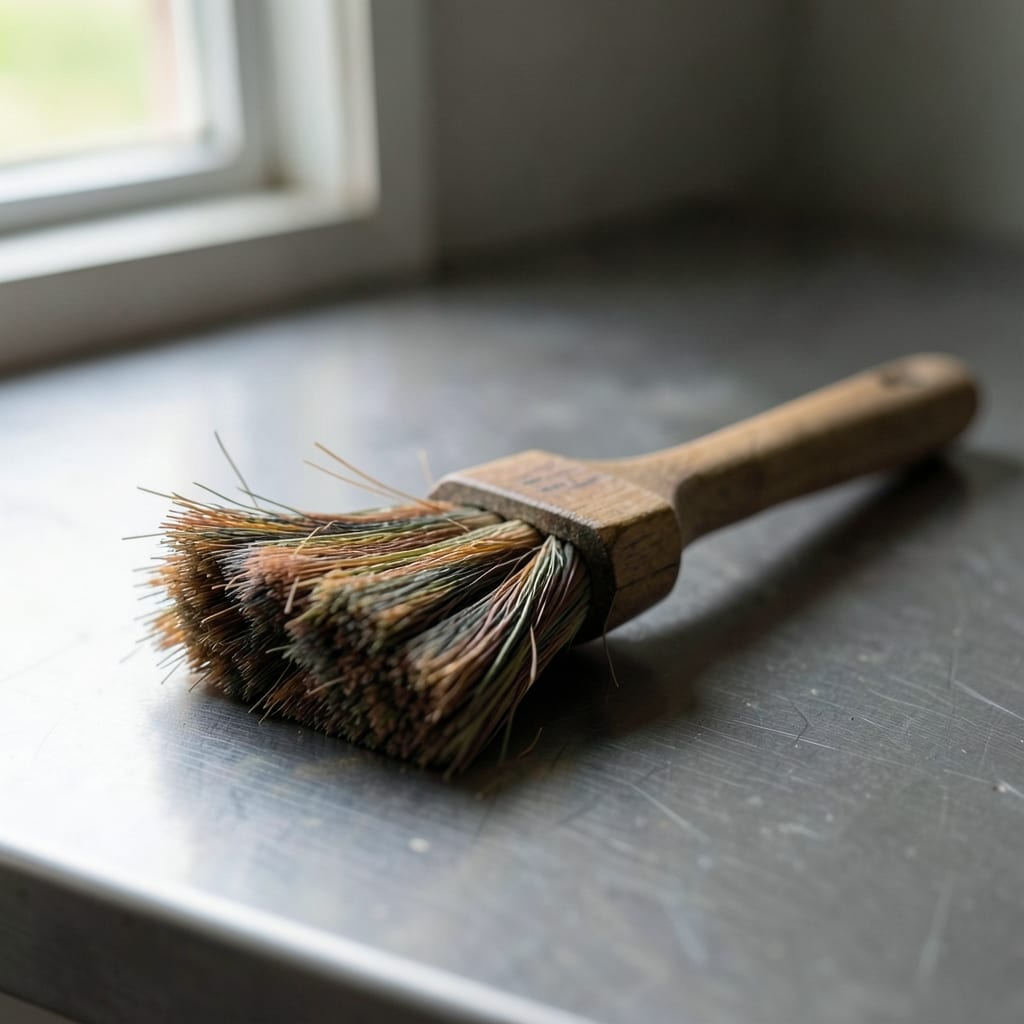
A splintered cedar stake, split down one side and propped up with a nail. It’s been here since 2017, when it first held up a climbing rose in a backyard garden.
The nail is bent, the wood is gray with age, but it still stands upright—if you push it just right.
It taught us that support isn’t always pretty. This stake has held up more vines than we can count, and it’s the one we use in photos when we write about how to train plants without fancy hardware. It’s proof that sometimes, the simplest things work the best.
What is not in the drawer
This site was built to avoid things that slow down the real work of growing. There’s no need for perfection, no room for shortcuts that skip the soil.
Deliberately absent
- Expensive soil tests—we trust our hands and our observations more than any lab result.
- Brand-new tools—some of the best gardening happens with what you already have.
- Overly precise planting charts—seeds don’t need a schedule, just the right conditions.
- Fancy irrigation systems—watering cans and rain still work, and they’re cheaper.
Behind the scenes
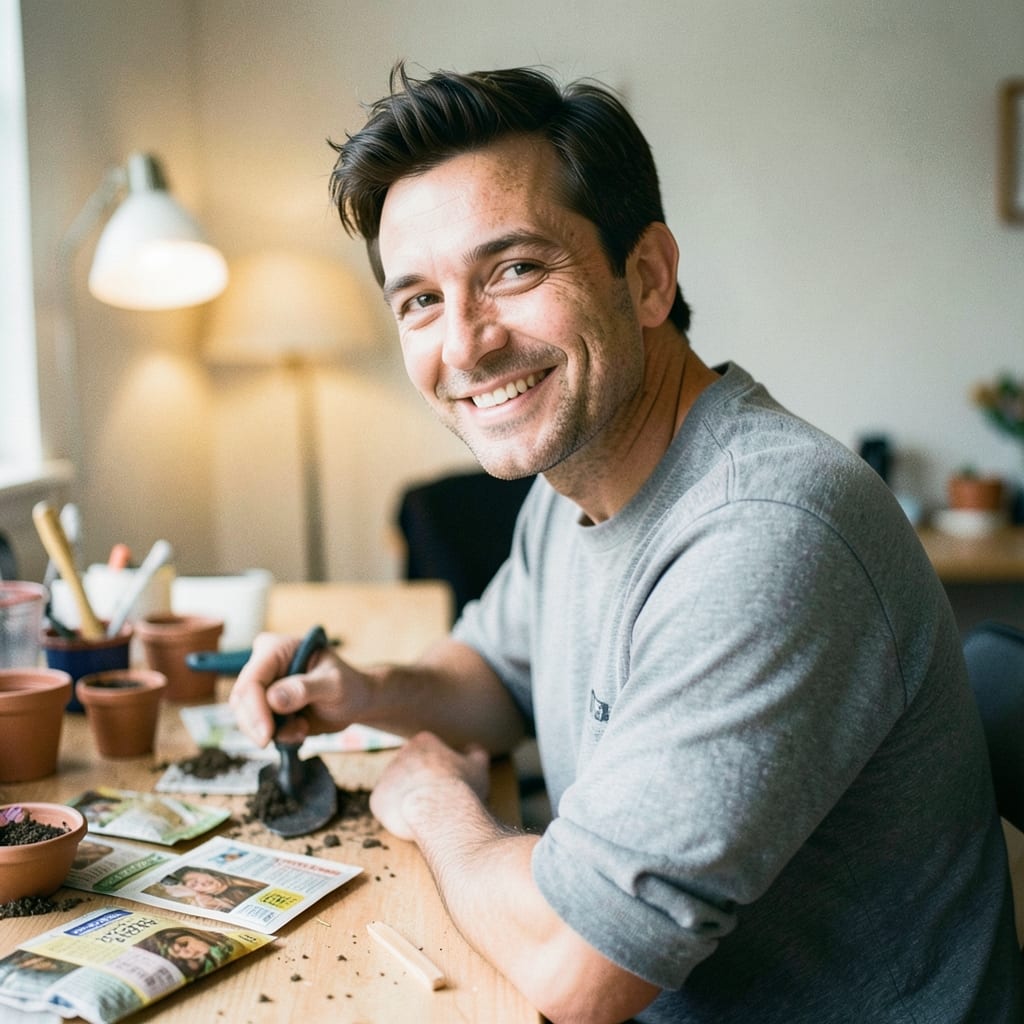
I am Hector Ruggiero, the founder and editor of Colorful Blooms. I’m the one who writes about why your zucchini didn’t grow straight, or how to coax life from a seed that looks dead.
I came to this from my father’s backyard in Ohio, where he taught me that gardening isn’t about having the biggest tomatoes—it’s about watching them grow. He handed me that first trowel when I was eight, and I’ve been digging ever since.
This work has given me a permanent smudge of dirt under my nails, a habit of noticing which way the wind blows before I plant anything, and a new appreciation for how much plants can teach us if we just pay attention.
I can’t walk past a garden center without checking the soil pH now—it’s a curse and a blessing.
I’m here to write about the things that actually work, the mistakes that happen to everyone, and the quiet joy of seeing something grow from nothing.
This site is where I pass along the lessons I’ve learned, the plants that thrive in my zone, and the little tricks that make gardening feel less like work and more like a daily celebration.
Why any of this matters to you
Every page here is shaped by these things—the worn tools, the cracked tray, the rusted shears. They remind us that gardening isn’t about having everything perfect; it’s about paying attention, making adjustments, and trusting the process.
So when you read about how to save tomato seeds or why your peppers keep wilting, know that these are lessons learned with the same hands that wrote them. There’s no jargon, no shortcuts—just the things that have worked in real soil, with real plants, and real mistakes.
Every tip here comes from something that grew—or failed to grow—in a real garden. You won’t find step-by-step instructions that assume you’re a botanist; you’ll find the lessons we’ve learned the hard way.
The guides are grouped by category: Advice, Aphids, Blooming, Companion Plants, Container Gardens and Diseases.