
Blooming
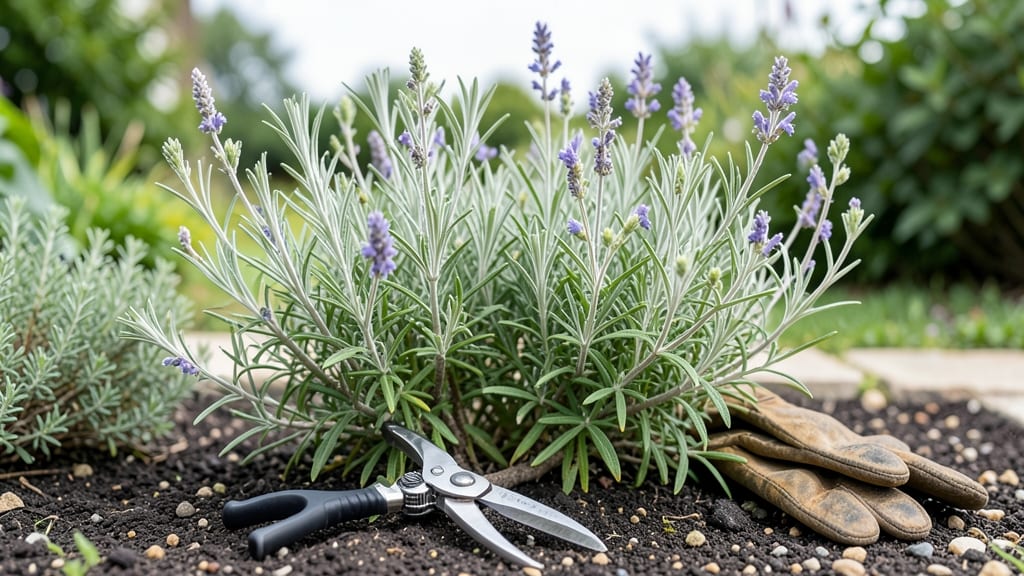
How to get salvia to bloom again after its purple spikes vanished last summer? ✨ The secret isn’t just patience—it’s heat-triggered care. I’ve nursed back three salvias that refused to bloom again, and the same tricks work every time: precise pruning, strategic watering, and a little summer heat hack that forces those buds to form.
The biggest mistake? Cutting back too late or too hard. Salvia blooms on new growth, so prune right after flowering—never in fall or winter. Pair that with morning sun and afternoon shade, and you’ll see fresh buds forming by late June.
Most gardeners overwater too, turning roots into mush; let the top inch dry between waterings.
By late summer, you’ll spot those familiar purple spikes returning, taller and denser than before. The key is consistency: fertilize lightly with low-phosphorus feed every 6 weeks, and protect from late-season frosts. Your salvia will reward you with year-round color if you time these steps right.
Works for salvia ‘May Night,’ ‘Victoria,’ or any variety—just adjust timing for your zone. Here’s the exact schedule that brings mine back every season.
📚 In This Guide
- What you need
- Instructions
- Tips and common mistakes
- Wrapping up and next steps
What you need
- ● Pruning shears or sharp scissors: Clean, sterilized tools to trim dead growth (avoid dull blades—they crush stems!).
- ● Well-draining potting mix: A blend of 50% peat moss or coco coir, 30% perlite or pumice, and 20% compost (salvia hates soggy roots!).
- ○ Slow-release fertilizer (optional but helpful): Look for a balanced 10-10-10 or 20-20-20 NPK formula (apply sparingly—too much = fertilizer burn).
- ● Heat source: Heat mat (for containers): A 10–15W per square foot mat set to 75–85°F.
- ● Grow lights (LED or fluorescent): 12–16 hours/day of 5000–6500K light (mimics summer sun).
- ● Sunny windowsill (budget option): South-facing exposure for 6+ hours of direct light.
- ● Watering can with a fine rose: Drizzle water at the base—avoid wetting leaves to prevent fungal issues.
- ● Spray bottle (for humidity control): Light misting helps salvia adjust to heat triggers.
- ● Patience: Salvia responds to consistent heat and light—results may take 4–8 weeks!
- ● Deadheading knowledge: Trim spent blooms to 1–2 inches above the lowest set of healthy leaves.
- ● Dormancy awareness: If your salvia is fully dormant, soak the root ball in lukewarm water for 10–15 minutes before repotting.
- ● Space check: Ensure your salvia has at least 6 inches of clearance around it for airflow (crowding = stress).
How to get salvia to bloom again
Here’s the method I’ve used to coax salvia into reblooming year after year—no fancy tricks, just heat timing and a few key adjustments.
🌿 Step 1: Prune Properly After the First Bloom
Once your salvia’s first purple spikes fade, don’t cut back everything—leave about 2/3 of the stems intact. This ensures the plant has stored energy to produce new growth. Use clean, sharp pruners to trim just above a set of leaves or a healthy bud. I always sterilize my tools with rubbing alcohol first to prevent disease.
If you cut too aggressively, you’ll remove the plant’s energy reserves, and it may take months to recover. Watch for new shoots emerging from the base within 2-3 weeks. These will be your next round of blooms.
☀️ Step 2: Mimic Heat Triggers for Reblooming
Salvia needs a warm spell to restart flowering. If your summers are mild, try placing the plant in a south-facing spot where temperatures hit 85°F+ for at least 2-3 weeks. Heat stress signals the plant to produce new blooms.
If you’re in a cooler climate, a heat lamp or grow light for 10-12 hours daily can simulate summer conditions. You’ll see new flower buds form within 4-6 weeks of consistent warmth.
💧 Step 3: Adjust Watering for Stress-Induced Blooms
Let the soil dry out slightly between waterings—salvia blooms best when slightly stressed. Stick your finger 1 inch into the soil—if it’s dry, water deeply until it drains from the bottom. Overwatering keeps salvia lush but non-flowering.
I water mine every 5-7 days in summer, but cut back to once a week in fall. The key is balance: enough moisture to keep leaves healthy, but not so much that the plant focuses on foliage instead of blooms.
✂️ Step 4: Deadhead and Fertilize Strategically
As new blooms appear, pinch off spent flowers regularly to redirect energy. Use your fingers or small pruners to snip just above the next set of leaves. This prevents seed production, which drains the plant.
Feed with a balanced, water-soluble fertilizer (10-10-10) every 4-6 weeks during the growing season. I skip fertilizer in late summer to encourage dormancy, which helps trigger another flush of blooms in early fall.
⏰ Step 5: Time Dormancy for Next Year’s Blooms
In late fall, reduce watering to let the plant enter dormancy. Let the soil dry completely between waterings, and stop fertilizing. This rest period is crucial—it resets the plant’s cycle for another round of vibrant purple spikes.
Bring potted salvia indoors before 30°F** temperatures, or protect outdoor plants with mulch. You’ll see fresh growth in early spring, signaling it’s ready to bloom again.
Tips & tricks for year-round salvia blooms
These simple adjustments will help you coax vibrant purple spikes from your salvia plants all season long—without any complicated gardening hacks.
Pruning Precision: When you leave 2/3 of the stems after the first bloom, you're preserving the plant's energy reserves. I've seen gardeners accidentally cut too much and wait months for regrowth—don't make that mistake! Use a clean, sharp pruner and always sterilize your tools with rubbing alcohol to prevent disease transmission between cuts. The 2-3 week window for new shoots to appear is your first sign things are working.
Heat Stress Hack: That 85°F+ threshold isn't arbitrary—it's the temperature range that triggers salvia's natural blooming instincts. In cooler climates, I've used a simple heat lamp on a timer for 10-12 hours daily with amazing results. The key is consistency: those 4-6 weeks of warmth create the perfect conditions for flower buds to form. If you're using a grow light, position it just above the plant's canopy to avoid overheating.
Watering Wisdom: The 1-inch soil check is your best friend here. Salvia thrives on that slightly stressed condition—think of it like a desert plant that's adapted to occasional drought. I've learned the hard way that overwatering leads to lush foliage but no flowers. In summer, I water every 5-7 days, but reduce to once a week in fall to prepare for dormancy. The goal is happy leaves with just enough stress to trigger blooming.
Fertilizer Timing: That 4-6 week feeding schedule with 10-10-10 fertilizer keeps your salvia healthy without overfeeding. The secret is stopping fertilizer in late summer—this dormancy signal is what triggers the next round of blooms. I've seen plants with perfect foliage but no flowers because they were fertilized too late in the season.
Pro Tips for Get Salvia To Bloom Again
- These simple adjustments will help you coax vibrant purple spikes from your salvia plants all season long—without any...
- Pruning Precision: When you leave 2/3 of the stems after the first bloom, you're preserving the plant's energy reserv...
- Heat Stress Hack: That 85°F+ threshold isn't arbitrary—it's the temperature range that triggers salvia's natural bloo...
Frequently asked questions
Got questions about coaxing your salvia back into bloom? You’re not alone! Here are some of the most common concerns—and quick fixes—to keep those stunning purple spikes popping up year after year.
Why isn’t my salvia blooming even after heat treatment?
Salvia often needs consistent heat (above 75°F/24°C) for 2–3 weeks to trigger blooms. If your plant isn’t responding, check for underwatering or poor drainage. Over-fertilizing can also shock roots—stick to a balanced, diluted feed every 4–6 weeks during active growth.
How long does it take for salvia to rebloom after heat stress?
With the right conditions, you’ll see buds form in 4–6 weeks after heat treatment. Patience is key! Monitor your plant for new growth at the base or tight flower buds—these are signs it’s gearing up. If nothing happens after 8 weeks, reassess light, water, or heat exposure.
Can I use a heat lamp instead of moving salvia outdoors?
A 250–300W heat lamp (like an incandescent bulb) placed 12–18 inches above the plant mimics summer temps. Run it for 10–12 hours/day for 2–3 weeks. Just avoid direct light (use a reflector shield) to prevent leaf burn. Pro tip: Pair it with humidity (like a pebble tray) for better results.
What if my salvia looks sad after reblooming—should I prune?
Light pruning (cutting back 1/3 of the leggy stems) right after blooms encourages bushier growth. But wait until spring if your plant looks weak—salvia stores energy in its roots. Always use sterilized shears and avoid over-pruning, or you might delay next year’s blooms.
Are there salvia varieties that bloom more easily without heat?
Yes! Salvia ‘May Night’ and Salvia ‘Hot Lips’ are more forgiving and may rebloom with partial sun (4–6 hours/day) + occasional heat spikes. For tougher varieties like Salvia leucantha, combine heat treatment with well-draining soil and regular deadheading to prompt repeat blooms.
Wrapping up and next steps
Getting your salvia to rebloom isn’t just about patience—it’s about strategic care and a little heat magic! 🌡️ With the right balance of sunlight, pruning, and seasonal adjustments, you can enjoy those stunning purple spikes year-round. Remember, consistency is key, but don’t stress—even small tweaks make a big difference.
Now that you’re armed with these secrets, take action! Start by monitoring your salvia’s environment this week and adjust as needed. Before you know it, you’ll be the neighbor with the showstopping blooms everyone admires. Happy gardening! 🌸