
Flowers
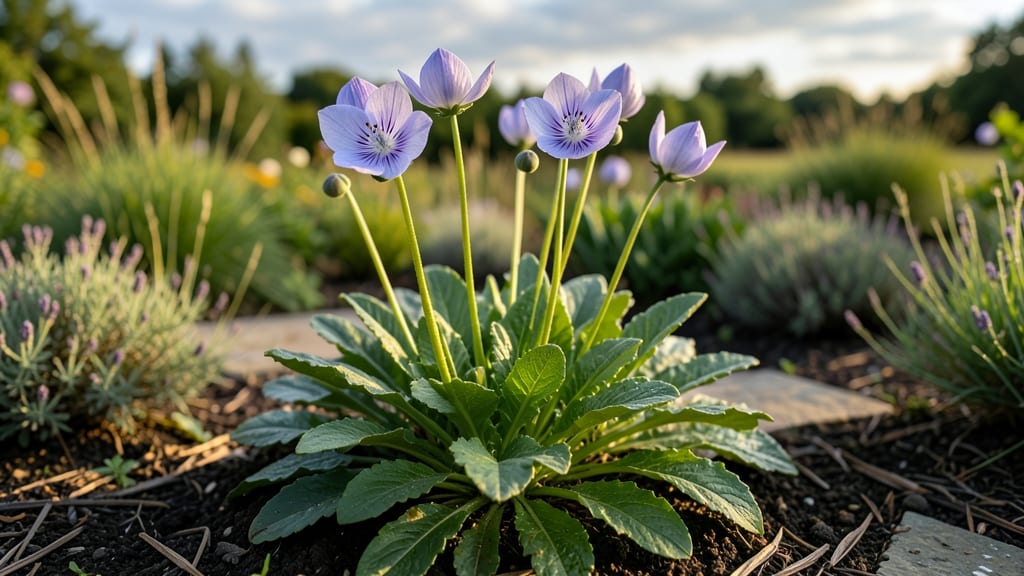
The balloon flower bloom time is a heat-triggered dance between variety and climate, and getting it right means more of those cheerful 🌸 faces in your garden.
If you’ve ever wondered why your Platycodon grandiflorus seems to bloom on a whim—or not at all—you’re not alone. This striking perennial’s flowering is triggered by heat, but the timing varies wildly by variety and climate zone.
In Zone 6a, where many gardeners plant in April–May, blooms typically arrive between July and September, but coastal areas or hotter zones can shift that window by weeks. The key? Understanding how temperature thresholds (like 60–85°F) kickstart bud formation—and how to nudge the process along.
Below, I’ll break down the stages by variety, zone-specific adjustments, and 5 pro tips to extend those blooms all season long—no guesswork required.
How heat triggers balloon flower bloom: stages by variety
Balloon flowers (Platycodon grandiflorus) are famous for their heat-triggered blooms, but not all varieties respond the same way.
The ideal temperature range of 60–85°F kickstarts their bloom cycle, but subtle differences in bud formation and color development distinguish early bloomers like ‘Astra Blue’ from late-season types like ‘White Dreams’. Understanding these stages helps you predict—and even influence—when your plants will burst into color.
Every balloon flower variety follows a three-stage bloom process: bud formation, color change, and full bloom. The heat sensitivity of each stage varies, with some varieties thriving in consistent warmth while others tolerate brief heat spikes.
For example, ‘Marine Blue’ blooms earlier in Zone 5 gardens than ‘Royal Blue’ because it matures buds faster under 65–75°F conditions. Let’s break down how heat influences each stage.
🌡️ Heat Thresholds by Stage: Bud formation requires 55–65°F, color change thrives at 70–80°F, and full bloom peaks at 80–85°F. Varieties like ‘Astra Blue’ handle higher midday temps better than ‘White Dreams’, which may bolt prematurely if exposed to sudden heat waves above 90°F. This is why coastal gardens often see longer bloom windows—moderate temperatures prevent stress.
Notice how ‘Royal Blue’ thrives in hotter conditions (up to 90°F), making it ideal for southern climates like Zone 8–9. In contrast, ‘White Dreams’ struggles above 80°F, often skipping buds if summer heat arrives too early.
This is why late-spring planting (after April 15) works better for heat-sensitive varieties in Zone 5–6.
To identify heat-sensitive vs. heat-tolerant types, watch for bud drop—a sure sign of stress. ‘Marine Blue’, for example, may abort buds if daytime temps exceed 85°F for 3+ days, while ‘Astra Blue’ recovers faster. Shade cloth (30–50%) during peak afternoons can protect sensitive varieties without stunting growth.
Early bloomers like ‘Astra Blue’ rely on consistent warmth from May onward, while late bloomers such as ‘Royal Blue’ need extended heat to trigger full bloom.
In Zone 4 gardens, where summers are shorter, mulching with straw (2–3 inches) helps retain soil heat and extend the bloom window by 2–3 weeks. This is especially critical for ‘White Dreams’, which often bolts too early in cooler zones.
Pro tip: Deadhead spent blooms to redirect energy into new bud formation. For <
Balloon flower bloom time by USDA hardiness Zones: a Zone-by-Zone guide
Understanding your USDA hardiness zone is key to predicting when your balloon flower (Platycodon grandiflorus) will bloom. These perennials thrive in zones 3 through 9, but their bloom windows shift dramatically based on temperature fluctuations.
Coastal areas often see earlier blooms than inland zones due to milder winters, while Zone 10 gardeners may enjoy year-round potential with proper care. Let’s break down the exact timing and adjustments you can make to optimize blooms.
In Zones 3–5, balloon flowers typically bloom between late June and August, triggered by summer heat. However, early spring heat waves can push blooms as early as May in Zone 5, while late-season heat may extend flowering into September.
Coastal gardeners in these zones often see blooms 2–3 weeks earlier than inland counterparts due to moderating ocean breezes. For example, San Francisco (Zone 9 coastal) might see blooms in April–May, while Chicago (Zone 5 inland) waits until July.
| USDA Zone | Typical Bloom Window | Coastal Adjustment | Heatwave Impact |
|---|---|---|---|
| 3–4 | July–August | +1–2 weeks earlier | Early heat speeds blooms; late heat extends season |
| 5–6 | June–September | +2 weeks earlier | Heat waves in June can trigger early blooms |
| 7–8 | April–October | +3 weeks earlier | Year-round blooms possible with shade in summer |
| 9–10 | March–November | Minimal delay | Use shade cloth in summer to prevent heat stress |
Gardeners in Zones 7–9 enjoy the longest bloom seasons, often from April through October. The key to extending blooms here is managing summer heat. In Zone 9, where temperatures can soar above 90°F, use light shade cloth (30–50%) during peak afternoon heat to prevent bud drop.
Inland areas like Phoenix (Zone 9a) may need afternoon shade, while coastal San Diego (Zone 10a) can support year-round blooms with minimal adjustments.
For Zones 3–5, where summers are shorter, focus on mulching to retain soil moisture and deadheading spent blooms to encourage reblooming. In Zone 4, where frost can arrive as early as September, choose late-blooming varieties like ‘Marine Blue’ to maximize your display.
If you notice buds forming but not opening, it’s often due to cool nights—consider moving pots to a sheltered microclimate or using row covers for a few nights.
In Zone 10, balloon flowers can bloom year-round if given consistent care. However, summer heat stress is the biggest challenge. Water deeply twice weekly and apply organic mulch (2–3 inches) to insulate roots.
If blooms slow in summer, prune back one-third of the plant in June to stimulate new growth and a second flush of flowers by August. Coastal Zone 10 gardeners in places like Los Angeles may even see winter blooms if temperatures stay above 50°F.
To fine-tune bloom timing, start by selecting varieties suited to your zone. Early bloomers like ‘Astra Blue’ thrive in Zones 4–8, while ‘White Dreams’ performs best in Zones 5–9. For Zone 3–4, plant in full sun with well-draining soil and add compost to boost vigor.
In Zones 7–10, prioritize afternoon shade and consistent moisture to prevent heat stress. With these adjustments, you can enjoy balloon flower blooms