
Blooming
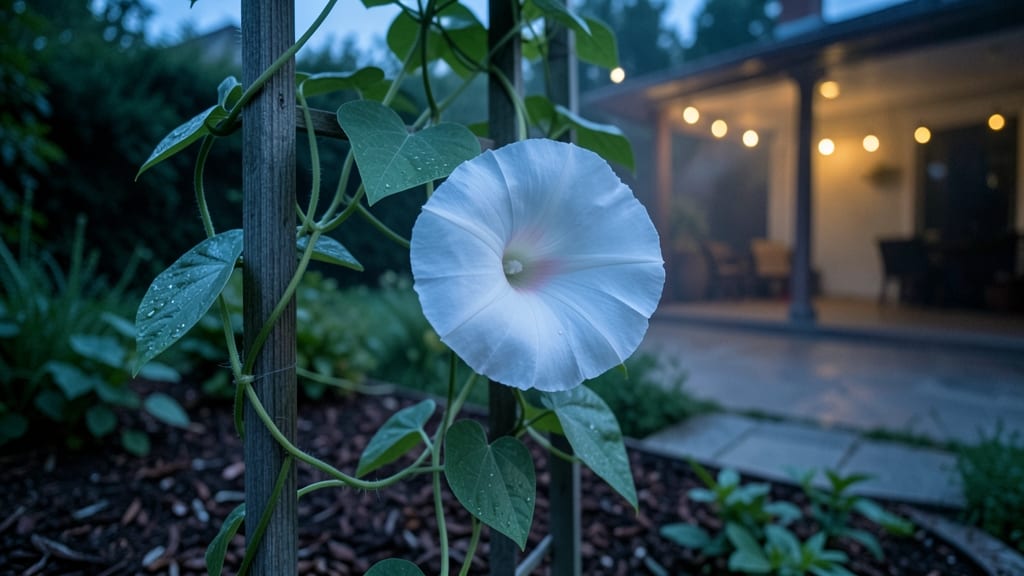
Moonlight-blooming flowers transform your garden into a secret nocturnal wonderland. 🌙 These ethereal blooms aren't just beautiful—they attract night-flying pollinators and create a magical ambiance that daytime gardens can't match.
I've always loved how my evening garden feels like a different world after dark, with fragrant blossoms glowing softly under the stars.
The best nighttime bloomers include moonflower (with its huge, creamy petals), evening primrose (bright yellow and irresistible to moths), and night-blooming jasmine (whose scent lingers until dawn). These plants thrive with minimal fuss—just plant them where they'll get afternoon sun to recharge for their evening show.
Pair them with silvery foliage plants like lamb's ear or dusty miller to make the moonlight effect even more dramatic.
Imagine stepping outside at dusk and finding your garden alive with movement and scent—hummingbirds darting between tubular flowers, moths sipping nectar, and the air filled with sweet fragrances. These plants reward you with beauty after dark, turning your yard into a living lantern that glows when the sun goes down.
The key is placement: position them where you can see them from windows or patios, and they'll create a magical focal point for summer evenings.
You don't need a large space to create this effect—even a few containers on a balcony or deck can make a difference. Start with one or two varieties, then expand as you discover what thrives in your climate.
The best part? These plants often attract wildlife you'd never see in a daytime garden, making your nighttime oasis both beautiful and ecologically valuable. Here's how to get started with your own moonlit garden sanctuary.
📚 In This Guide
- What you need
- Instructions
- Tips and common mistakes
- Wrapping up and next steps
What you need
- ● Moonlight-loving flowers: Moonflower (Ipomoea alba) – 2-4 plants (fast-growing vines, needs trellis support)
- ● Evening Primrose (Oenothera biennis) – 3-5 plants (self-seeding, drought-tolerant)
- ● Night-Blooming Jasmine (Cestrum nocturnum) – 1-2 plants (fragrant, tropical variety)
- ● Queen of the Night (Selenicereus grandiflorus) – 1 cactus plant (stunning white blooms, needs warmth)
- ● Soil & Containers: Well-draining potting mix – 2-3 bags (10-15 lbs each)
- ● Containers or garden beds – 1-2 large pots (12"+ diameter) or in-ground space
- ● Basic Tools: Garden trowel – 1 (for planting)
- ● Pruning shears – 1 (for trimming vines)
- ● Measuring tape – 1 (for spacing plants)
- ● Glow-in-the-dark garden stakes – 4-6 (to mark plants and add whimsy)
- ● Slow-release fertilizer (low phosphorus) – 1 bag (for nutrient boost)
- ● Mulch (light-colored) – 1 bag (to reflect moonlight and retain moisture)
- ● Soft outdoor lighting (solar-powered) – 2-4 (to enhance the nighttime ambiance)
- ● Moonlight-reflective paint (for pots) – 1 small can (adds a magical touch!)
How to create a moonlit flower garden that blooms at night
Turn your garden into a nocturnal wonderland with these luminous blooms that open under moonlight.
🌱 Step 1: Select the Right Moonlight-Loving Flowers
Start with four varieties known for their nighttime beauty: evening primrose, moonflower, night-blooming jasmine, and queen of the night cactus. These plants naturally release fragrance and open their petals after sunset, creating a magical display. I always plant them in clusters of three to five for maximum impact—spreading them too thin weakens their scent and visual effect.
Check your local frost dates and plant these flowers in late spring after the last frost. They thrive in USDA zones 7-11, so adjust planting times if you live in cooler climates. Even in mild areas, wait until nighttime temperatures stay consistently above 55°F—cold snaps can damage tender blooms before they fully open.
☀️ Step 2: Position for Maximum Moonlight Exposure
Plant your moonlit garden in a location that receives full to partial moonlight—typically a south-facing area that stays shaded during the day. I like to place them near a reflective surface like a pond or decorative fountain to amplify the moonlight's glow. Avoid areas with overhead lighting that might interfere with their natural nighttime cycle.
Dig holes twice as wide as the root balls but only as deep. This prevents burying the crown too deeply, which can cause rot. Space plants 3-5 feet apart depending on the variety—evening primrose spreads aggressively, while moonflower stays more compact. Water deeply after planting to settle the soil around the roots.
💧 Step 3: Maintain Soil and Water for Nocturnal Blooms
These flowers prefer well-draining soil with a slightly acidic to neutral pH. Mix in 2-3 inches of compost when planting to provide nutrients without overwhelming the roots. I avoid heavy fertilizers—they encourage leafy growth over blooms. Instead, top-dress with a light layer of organic mulch to retain moisture and regulate soil temperature.
Water in the late afternoon so the soil has time to dry slightly before nightfall. Soggy roots can invite fungal diseases that thrive in the humidity of evening air. You'll know you're doing it right when the soil feels damp but not wet to the touch—like a wrung-out sponge. Reduce watering as blooming season progresses, as these plants are surprisingly drought-tolerant once established.
✂️ Step 4: Prune and Encourage Repeat Blooming
Deadhead spent blooms in the morning to redirect the plant's energy into new flowers. For evening primrose and moonflower, I snip back stems to half their height after the first flush of blooms—this triggers a second round of flowers that often opens even more dramatically under moonlight. Never prune night-blooming jasmine or queen of the night cactus, as their blooms appear on old wood and won't regenerate.
Watch for leggy growth in evening primrose—this signals it needs more sunlight during the day. If you notice stems stretching toward the moonlight source, move the plant closer to a daytime shade source like a small tree or trellis. The goal is balanced growth: strong stems that support heavy nighttime blooms without toppling.
🌿 Step 5: Enhance the Moonlit Atmosphere
Add subtle lighting elements like solar-powered path lights or LED string lights to highlight the blooms without overwhelming their natural glow. I prefer warm-white lights that mimic moonlight's soft hue. Place them strategically to create depth—low lights near the plants and higher ones to outline the garden's edges.
Include fragrant companions like night-scented stock or evening-scented lilac to layer the experience. These plants release their scent at different times, creating a dynamic olfactory journey as the night progresses. Step back and observe your garden on a clear moonlit night—you'll see the flowers open in sequence, starting with the most sensitive varieties like moonflower and ending with the hardy evening primrose.
Tips & tricks for perfect moonlit flower gardens
Creating a garden that truly comes alive after dark takes a few thoughtful touches—here's how to make your nocturnal blooms even more magical.
Timing is Everything: Plant your moonflower and evening primrose in early evening rather than morning. These varieties are sensitive to light cycles, and evening planting helps them establish their natural nighttime rhythm faster. I've found that planting within an hour of sunset gives them a head start on their nocturnal routine—like setting their internal clocks to "moonlight mode."
Soil Temperature Matters: The 55°F minimum nighttime temperature mentioned in the instructions is non-negotiable for tender varieties like queen of the night cactus. To give them a better start, I often pre-warm the planting holes by filling them with warm water (not boiling) for 10 minutes before transplanting. This small trick helps establish roots faster in cooler climates. Just let the water fully drain before planting.
Lighting Strategy: For maximum visual impact, position your solar-powered path lights at a 45-degree angle toward the plants rather than straight up. This creates a dramatic upward glow that mimics moonlight's angle, making the flowers appear to float in the air. I also recommend placing reflective surfaces like polished stone or metal near the base of plants—the moonlight bounces off these surfaces and illuminates the blooms from below, creating a stunning backlight effect.
Seasonal Adjustments: In USDA zones 7-11, you can extend the blooming season by adding a lightweight row cover during cool nights (below 55°F). This protects tender blooms while still allowing moonlight to penetrate. Remove it by mid-morning to prevent overheating. I've seen this simple trick add 2-3 extra weeks of blooming in transitional seasons.
Pro Tips for Flowers That Bloom In Moonlight
- Creating a garden that truly comes alive after dark takes a few thoughtful touches—here's how to make your nocturnal ...
- Timing is Everything: Plant your moonflower and evening primrose in early evening rather than morning. These varietie...
- Soil Temperature Matters: The 55°F minimum nighttime temperature mentioned in the instructions is non-negotiable for ...
Frequently asked questions
Got questions about moonlight-blooming flowers?
You’re not alone! Here are answers to the most common queries—from curious gardeners to nighttime nature lovers.
Which flowers actually bloom only under moonlight?
Few flowers bloom exclusively at night, but some—like Moonflower (Ipomoea alba) and Queen of the Night (Selenicereus grandiflorus)—open their petals at dusk and close by dawn. Others, such as Evening Primrose (Oenothera), bloom in the evening but may also open slightly during the day. For true nighttime magic, focus on nocturnal pollinators like moths and bats!
How do I encourage my flowers to bloom at night?
Most moonlight-loving flowers thrive with natural light cycles, but you can help by:
- Planting in well-draining soil with partial shade (they often grow in tropical or woodland areas).
- Avoiding artificial lights near them (they’re sensitive to light pollution).
- Watering evenings to mimic natural moisture patterns.
Can I grow moonlight flowers indoors?
Some can! Moonflowers and Night-Blooming Jasmine (Cestrum nocturnum) thrive in containers with 6+ hours of indirect light daily. Place them near a bright window or under grow lights (12–14 hours/day). For fragrant options, Night-Blooming Cereus (a cactus!) is a low-maintenance pick. Just remember: Most need warmth (60–75°F) to mimic their natural habitats.
Why aren’t my night-blooming flowers opening?
Common culprits include:
- Light exposure: Too much artificial light (like porch lights) can trick them into staying closed.
- Temperature drops: Some need warm evenings (above 60°F) to bloom.
- Lack of pollinators: Without moths/bats, some flowers skip opening. Try hand-pollinating with a soft brush!
What’s a low-maintenance moonlight flower for beginners?
Start with Evening Primrose—it’s hardy, drought-tolerant, and blooms yellow in the evening. Another easy pick: Night-Scented Stock (Matthiola longipetala), which thrives in cool climates and fills the air with vanilla-like fragrance after sunset. Both are perennials (return yearly) and perfect for beginner gardeners!
Wrapping up and next steps
Discovering the enchanted world of flowers that bloom under moonlight transforms your garden into a nocturnal wonderland—where magic unfolds after dark! 🌙✨ These ethereal blooms aren’t just stunning; they’re nature’s secret gift for adding mystery, fragrance, and life to your evenings.
Whether you’re drawn to the silvery glow of Moonflower or the delicate charm of Night-Blooming Jasmine, these plants prove that beauty thrives even when the sun sets.
Now that you’re inspired, why not take the next step? Start small—plant a Moonflower vine near your patio or tuck Evening Primroses into a moonlit garden bed. Share your progress or ask questions in the comments below—let’s grow this nocturnal garden movement together! 🌸💬