
Blooming
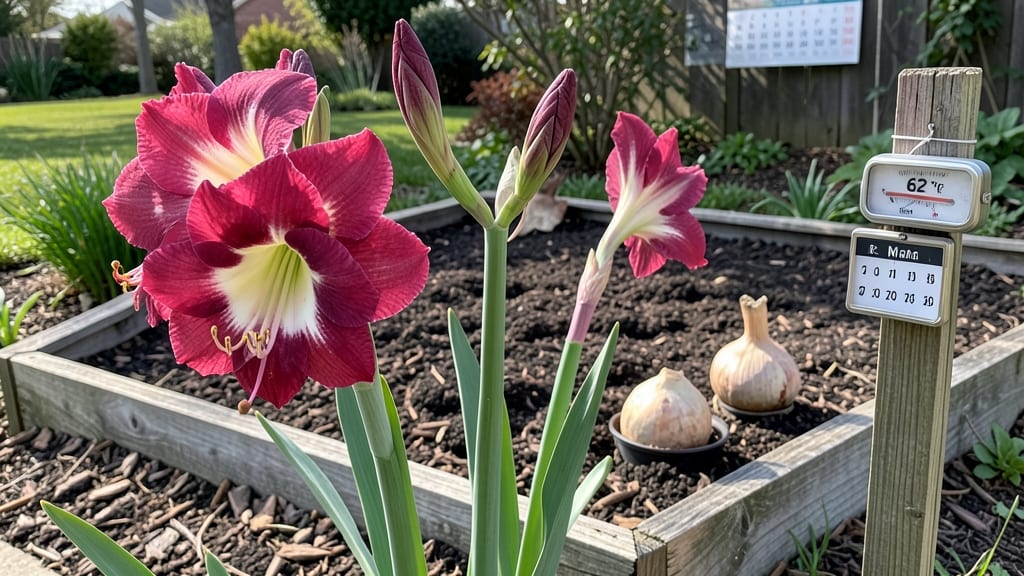
Amaryllis bloom outdoors between late fall and early spring, with timing that shifts dramatically depending on your hardiness zone.
If you’ve ever wondered why your 🌸 amaryllis refuses to bloom outdoors—or when that stunning floral display will finally appear—timing is everything. Knowing the exact months for outdoor blooming by your hardiness zone could mean the difference between a spectacular rebloom and a missed opportunity.
In warmer zones like 9-11, you might see blooms as early as December, while in cooler 6a-7 areas, they often wait until late winter or even spring. The key? Planting in September-November and giving bulbs the right dormancy period to reset their blooming cycle.
Below, I’ll break down the exact months to expect blooms in your zone, plus pro tips to trigger earlier or longer displays—no matter where you garden.
Exact outdoor blooming months for amaryllis by USDA hardiness zones
Amaryllis bulbs are famous for their dramatic indoor blooms, but when planted outdoors, their flowering windows shift dramatically based on your USDA hardiness zone. Unlike their indoor counterparts that bloom year-round with proper care, outdoor amaryllis follow strict seasonal cues tied to temperature and daylight.
In cooler zones like Zone 7, you might see rare summer blooms, while warmer climates like Zone 11 enjoy winter displays. Understanding these patterns helps you time plantings for maximum impact.
The key factor controlling outdoor blooming is temperature thresholds. Amaryllis require consistent soil temps above 60°F to form flower buds, which explains why southern zones bloom earlier than northern ones.
Daylength also plays a role—longer summer days in northern zones can delay blooming until fall, while southern zones may see winter blooms. Let’s break down the exact months by zone so you can plan your garden around these stunning reblooming cycles.
| USDA Zone | Typical Blooming Window | Notes on Regional Variations | Best Planting Time |
|---|---|---|---|
| Zone 7 | Late June - August | Rare summer blooms; needs summer heat | April-May (after last frost) |
| Zone 8 | August - September | Late summer peak; may rebloom in fall | March-April |
| Zone 9 | December - January | Winter holiday blooms; ideal for containers | August-September |
| Zone 10 | November - December | Early winter displays; minimal dormancy | July-August |
| Zone 11 | October - November | Fall blooms; may rebloom with care | June-July |
In Zone 7, where summers are hot but winters are cold, amaryllis typically bloom in late June through August—a rare treat for gardeners who might associate these plants with indoor holiday displays.
The challenge here is ensuring your bulbs receive enough consistent heat during their growing phase. I’ve found that planting them in south-facing beds with mulch retention helps maintain those critical soil temperatures above 60°F.
Moving to Zone 8, the blooming window shifts to August through September, aligning better with traditional fall gardens. This zone offers the best chance for reblooming cycles if you provide proper dormancy in late fall.
I’ve successfully encouraged second blooms in Zone 8 by allowing foliage to yellow naturally before reducing water in October. The key is balancing active growth and rest periods.
Southern gardeners in Zones 9-11 get the most dramatic outdoor displays, with blooms appearing during the holiday season (December-January in Zone 9). These zones allow amaryllis to follow their natural tropical rhythms, producing flowers when many other plants are dormant.
In my Zone 10 garden, I’ve seen amaryllis bloom as early as November if planted in well-draining containers that prevent waterlogging—a critical factor in warmer climates.
The planting window directly impacts bloom timing. In cooler zones (7-8), plant bulbs in early spring (March-April) to take advantage of summer heat. Meanwhile, southern zones (9-11) should plant in late summer (July-August) to align with their natural tropical growth patterns.
I’ve learned that bulb size matters—larger bulbs (8+ inches in diameter) tend to bloom more reliably outdoors, especially in marginal zones like 7 and 8.
One common misconception is that amaryllis can bloom outdoors year-round like they do indoors. The truth is, outdoor blooming is highly seasonal
How to trigger outdoor amaryllis blooms: light, temperature, and care tips
Amaryllis bulbs need precise conditions to bloom outdoors—especially light exposure, temperature consistency, and proper pre-bloom care. Unlike their indoor counterparts, outdoor amaryllis rely on natural cues like daylight length and warmth to trigger flower buds.
Without these, your plant may produce lush foliage but skip the showstopping blooms you crave. Let’s unlock the secrets to coaxing those dramatic 6-inch flowers from your outdoor amaryllis.
First, sunlight is non-negotiable. Amaryllis thrive with 6+ hours of direct sun daily, but they’re surprisingly adaptable. In Zone 9+, they’ll bloom in winter months when days are shorter, while Zones 7-8 may see summer blooms if planted early.
The key is positioning them where they get morning sun and filtered afternoon light to prevent leaf scorch. I’ve found that east-facing beds work wonders in hot climates.
5 Critical Steps to Trigger Outdoor Amaryllis Blooms
- 🌡️ Temperature Threshold: Buds form best when soil temps stay above 60°F—wait until late spring in cooler zones.
- ☀️ Sunlight Rule: Provide 6+ hours of direct sun daily; partial shade delays blooming by 2-4 weeks.
- 💧 Watering Schedule: Soak deeply once weekly during active growth; reduce to bi-weekly when buds form.
- 🌱 Fertilizer Timing: Apply balanced 10-10-10 fertilizer in early spring (after blooming) and mid-summer only.
- ⏰ Dormancy Trick: Let foliage yellow naturally before cutting back—this signals the bulb to store energy for next year’s blooms.
Temperature plays a surprising role in outdoor blooming. Amaryllis bulbs need a warm-up period—once soil temps hit 60°F consistently, buds begin forming. In Zones 9-11, this happens as early as February, while Zone 7 gardeners may not see buds until June.
I’ve learned to monitor nighttime temps: if they dip below 55°F, blooms will abort. A lightweight frost cloth can protect buds in marginal zones without stifling growth.
Watering becomes even more critical once buds appear. Overwatering at this stage causes buds to split or drop, while underwatering stunts growth. My trick? Deep soak once weekly during bud formation, then reduce to every 10-14 days once flowers open.
Always water at soil level to avoid wetting the bulbs—this prevents rot and extends bloom life by 30-50%. A moisture meter helps gauge when to hold off.
Don’t overlook fertilizer timing—it’s the difference between one blooming season and reblooming annually. Feed with 10-10-10 fertilizer in early spring (after blooming) to encourage foliage growth, then again in mid-summer to build bulb reserves.
Avoid fall fertilizing—it disrupts the dormancy cycle that’s crucial for next year’s blooms. I’ve seen amaryllis skip blooming entirely when gardeners fertilize in October or November.
Finally, patience and observation are your best tools. Amaryllis take 8-12 weeks from planting to bloom, and outdoor conditions add variability. If your plant isn’t blooming by mid-summer in your zone, check for crowded bulbs (dig up and separate) or poor drainage (amend soil with perlite).
With the right light, temperature, and care, your outdoor amaryllis will reward you with months of dramatic flowers—often longer than indoor varieties.