
Blooming
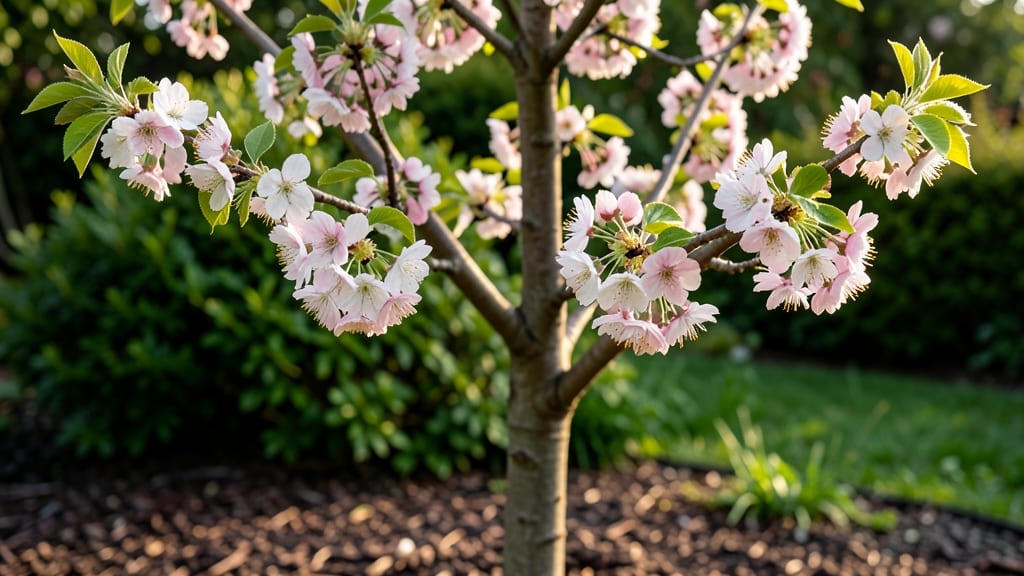
Knowing your cherry tree’s bloom time 🌸 means you’ll never miss that fleeting burst of pink and white again—whether you’re in Zone 6a or further south.
Nothing beats the sight of cherry blossoms in full bloom, but timing everything right means knowing exactly when your tree will burst into color. Miss the window, and you’ll be left staring at bare branches—just when you were ready to snap the perfect photo or enjoy the fragrance.
Bloom time varies wildly depending on your region, the type of cherry tree (sweet, tart, or ornamental), and even last winter’s chill hours. In Zone 6a, expect blooms as early as late April for early varieties, while later bloomers might wait until early May.
Here’s how to predict your cherry tree’s bloom time down to the month, plus pro tips to encourage earlier—or later—flowers so you’re always ready for the show.
Cherry tree bloom time by USDA hardiness Zone: exact months for peak flowers
Timing your cherry tree’s bloom is all about knowing your USDA hardiness zone and the specific variety you’ve planted. Sweet cherries, tart cherries, and ornamental varieties all have unique bloom windows, and regional microclimates can shift those dates by weeks.
For example, a Pacific Northwest cherry tree might bloom 2–3 weeks earlier than one in the Midwest, even in the same zone. Let’s break down the exact months for peak blossoms so you never miss the show.
Ornamental cherry trees like Prunus serrulata (Japanese cherry) often bloom first, followed by tart cherries (Prunus cerasus) and finally sweet cherries (Prunus avium). In Zone 4, expect blooms as early as late April, while Zone 9 trees may start as late as February.
Understanding these patterns helps you plan pruning, pest control, and even fruit harvesting for the best results.
Here’s a detailed comparison of bloom times by zone and variety, including regional adjustments for coastal vs. inland climates:
In Zone 4–5, ornamental cherries like Prunus serrulata often lead the bloom parade, with peak blossoms in early May. These varieties are cold-hardy and thrive in shorter growing seasons, making them ideal for northern gardens.
If you’re growing tart cherries like Montmorency, expect blooms to start in early May, with peak color lasting about 10 days. Coastal areas in these zones tend to bloom earlier due to milder winters.
For Zones 6–7, sweet cherries like Bing and Rainier are the stars, with blooms kicking off in late April. The Pacific Northwest’s mild winters can push these blooms forward by 2–3 weeks compared to inland areas.
If you’re in Zone 6 and want to extend your bloom season, consider planting a mix of early, mid, and late bloomers like Stella (early) and Lapins (late). This ensures continuous color from late April through May.
Warmer Zones 8–9 offer the earliest blooms, with ornamental varieties like Yoshino cherry lighting up gardens as early as February. Sweet cherries in these zones, such as Stella, can bloom in late January if planted in coastal California.
Urban heat islands can also advance bloom times by up to a week, so monitor local weather patterns closely. In these zones, late frosts are the biggest threat—always have frost cloth ready to protect blossoms.
Regional microclimates play a huge role in bloom timing. For instance, Pacific Northwest trees often bloom 2–3 weeks earlier than those in the Midwest due to milder winters and cooler summers.
Similarly, coastal areas tend to bloom earlier than inland regions because of the moderating influence of the ocean. To fine-tune your predictions, check local chilling hour data—most cherry trees need <
How to adjust bloom time: 5 pro tips for earlier or later flowers
Want to catch your cherry tree’s show-stopping blooms at the perfect time? The secret lies in understanding how to nudge nature’s clock—whether you’re chasing earlier blossoms for spring photos or delaying them to avoid late frost damage.
Cherry trees rely on chilling hours and environmental cues, but with the right techniques, you can shift their bloom window by weeks. Here’s how to take control.
First, recognize that variety selection is your most powerful tool. Some cherries, like the ‘Stella’ or ‘Van’ varieties, bloom early, while others like ‘Lapins’ hold onto blossoms longer. If you live in a warmer climate (zones 7–9), choose late-blooming varieties to avoid frost damage.
For cooler zones (4–6), early bloomers ensure you don’t miss the show entirely.
Prune Strategically
Remove last year’s fruit wood in late winter to redirect energy to new spring growth. This delays blooming by 2–3 weeks. For earlier blooms, prune lightly in early spring to encourage quick bud development.
Manipulate Chilling Hours
Cherry trees need 500–1,000 hours below 45°F to bloom. In mild winters, use artificial chilling (like a refrigerator or cold storage) for 6–8 weeks to meet requirements. Skip this, and blooms will be sparse or late.
Warm the Soil Early
Spread black plastic mulch around the base in late winter to raise soil temps by 10–15°F. This tricks the tree into thinking spring arrived early, prompting earlier bud break by 1–2 weeks.
Fertilize at the Right Time
Apply a high-phosphorus fertilizer (like 5-10-10) in late winter to boost flower production. Avoid nitrogen-heavy feeds post-bloom—they delay next year’s buds by promoting leafy growth instead.
Use Growth Regulators
Spray hydrogen cyanamide (a dormancy breaker) in late winter to force earlier blooms. For delayed blooms, apply ethylene gas (like Ethrel) in early spring to slow bud development.
Timing isn’t just about aesthetics—it’s about survival. If your area faces late frosts, delay blooms by pruning aggressively in winter or choosing late-blooming varieties like ‘Black Tartarian’. Conversely, if you’re craving spring color earlier, combine soil warming with strategic pruning for a 2-week head start on blossoms.
Pro tip: Track your tree’s bloom history for 3 years to spot patterns. Cherry trees adjust their internal clocks yearly, so consistency in your methods will yield predictable results. With these tricks, you’ll never miss a pink-and-white spectacle again—no matter the season.
🌸