
Blooming
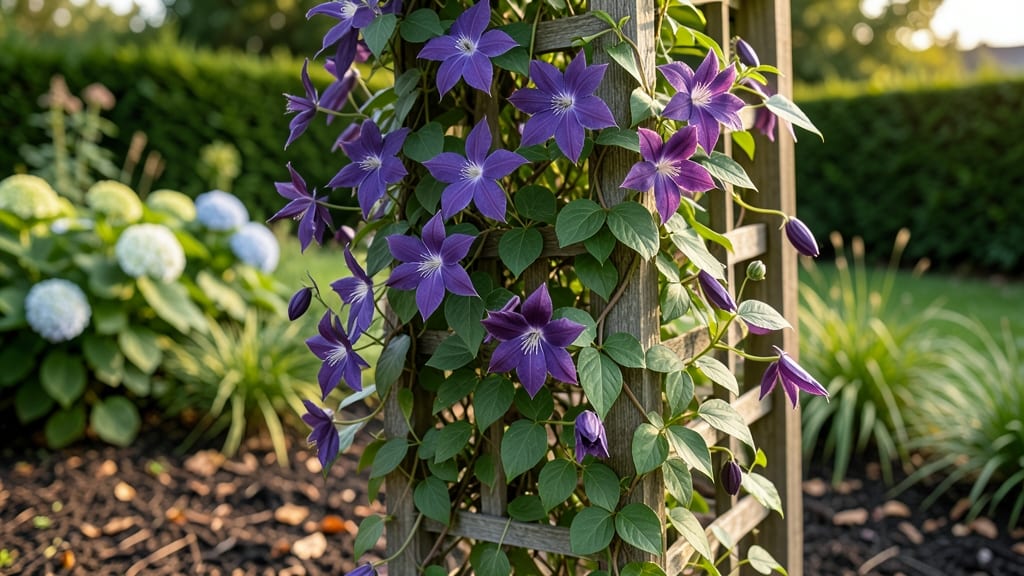
Timing the clematis bloom time correctly is the secret to year-round floral displays on your 🌸 vines, and it all starts with knowing your plant’s pruning group.
If your clematis vines are struggling to produce vibrant blooms year after year, understanding their bloom cycles—and when to prune—could be the game-changer you’ve been missing. The right timing ensures lush, repeat flowering while keeping your plant healthy for decades.
Clematis fall into three pruning groups, each with its own bloom window: early, mid-, or late-season. Group 1 blooms on last year’s growth, while Groups 2 and 3 rely on new shoots.
Mixing these types in your garden can stretch your blooms from spring to fall, but only if you prune at the right moments.
In this guide, I’ll break down the exact bloom periods for each group, how your hardiness zone affects timing, and the pruning schedule that keeps your clematis flowering longer and stronger—no guesswork required.
When do clematis bloom? Seasonal flowering patterns by pruning Group
Clematis are famous for their stunning, repeat blooms—but their flowering timing varies wildly depending on the pruning group and your hardiness zone. Unlike annuals, clematis can bloom once, twice, or even three times in a season, but only if you match their natural growth cycle with the right care.
Understanding these patterns is the key to year-round color in your garden.
Most clematis fall into three pruning groups, each with distinct bloom seasons. Group 1 blooms on old wood (last year’s growth), while Groups 2 and 3 rely on new wood (current season’s growth).
This difference means pruning at the wrong time can mean no flowers at all—or a disappointing single flush instead of a cascade of blooms.
Here’s how to decode your clematis’ bloom time by pruning group and USDA zone, plus how to extend the season with smart pruning and support.
Group 1 clematis are the spring risers, bursting into bloom on last year’s stems before summer heat sets in. In USDA zones 3–5, they often flower as early as April, while in zones 8–10, blooms may stretch into May or June. The trade-off? If you prune too late, you risk losing all blooms for that season.
For Group 2 varieties, the show happens in mid to late summer—think July through September in most zones. These clematis rely on new growth, so pruning too early (before flowering) means no blooms at all.
In hotter zones (8–10), their bloom season may extend into October, while cooler zones (3–6) might see shorter windows.
Group 3 clematis are the late-season stars, thriving in fall’s cooler temperatures. They bloom on new wood but often rebloom in spring if pruned correctly. In zones 3–5, expect blooms from August through October, while zones 7–10 can enjoy them into November. These are your best bets for fall color!
If you’re in USDA zone 6 or below, winter protection is critical. Mulch heavily around the base and cover with burlap in extreme cold. In zones 7–10, focus on consistent moisture—clematis hate drought stress, which can delay or reduce blooming.
A drip irrigation system keeps roots happy without overwatering.
Pro tip: Deadhead spent blooms on Groups 2 and 3 to encourage more flowers. For Groups 1 and 3, wait until after the first flush to prune—this preserves next year’s blooms.
And always use sharp, clean pruners to avoid disease spread, which can weaken vines and reduce flowering.
With the right pruning strategy and zone-specific care, your clematis can bloom for months—not just weeks. Start by identifying your <
Pruning calendar for maximum clematis blooms: month-by-month guide
Timing your clematis pruning correctly is the secret to prolonged blooms and a healthier vine. Since clematis bloom cycles vary by pruning group (1, 2, or 3), your zone and variety determine when to cut back.
In Zone 5, for example, early spring pruning is critical, while Zone 9 gardeners can prune later. Let’s break down the month-by-month schedule to maximize your clematis’s flowering potential.
Whether you’re dealing with early-season bloomers (Group 1) or late-season varieties (Group 3), the key is to prune at the right time—just before new growth begins. For Group 1 clematis, which flowers on previous year’s wood, prune in late winter or early spring.
Meanwhile, Group 2 and 3 clematis (which bloom on current year’s growth) can wait until spring or early summer. Let’s dive into the specifics for each month.
🌸 Pruning Calendar for Clematis Blooms
- 1. Late Winter (Feb-Mar, Zones 5-7): Prune Group 1 clematis (early bloomers) to remove dead wood and shape the plant. Avoid pruning Group 2-3 yet—they need their old stems for blooms.
- 2. Early Spring (Apr-May, All Zones): Prune Group 3 clematis (late bloomers) back by 1/3 to encourage new growth. Deadhead spent blooms on all groups to extend flowering.
- 3. Summer (Jun-Aug): Lightly trim overgrown stems after blooming to maintain shape. Deadhead regularly (every 2-3 weeks) to encourage repeat blooming in Group 2-3 varieties.
- 4. Fall (Sep-Oct, Zones 5-7): Stop pruning by mid-September to allow stems to harden off. In Zone 9, you can lightly prune Group 3 clematis in early fall for a winter bloom boost.
- 5. Winter (Nov-Jan, Cold Zones): Apply mulch (4-6 inches) around the base to protect roots. In Zone 5 or colder, wrap stems in burlap or use straw mulch to prevent frost damage.
For Zone 9 gardeners, where winters are mild, you can prune Group 3 clematis in late winter (Jan-Feb) to kickstart early blooms. Meanwhile, in Zone 5, wait until late April or early May to prune Group 1 clematis—frost can still damage tender new growth.
Always use clean, sharp pruners to avoid disease, and sterilize them with rubbing alcohol between cuts.
Deadheading is your secret weapon for extending bloom time. After flowers fade, snip stems just above a pair of healthy leaves or a bud. This redirects the plant’s energy into producing new blooms instead of seeds.
For Group 2 clematis, which often bloom twice, deadheading after the first flush can trigger a second wave of flowers in late summer.
In cold climates (Zones 3-5), don’t skip winter protection. After the first frost, mound organic mulch (like straw or leaves) around the base of your clematis. For extra insulation, wrap the crown with burlap or a thick layer of mulch.
This prevents root heave and keeps the plant dormant but safe until spring. With the right pruning schedule and seasonal care, your clematis will reward you with vibrant, long-lasting blooms year after year.