
Flowers
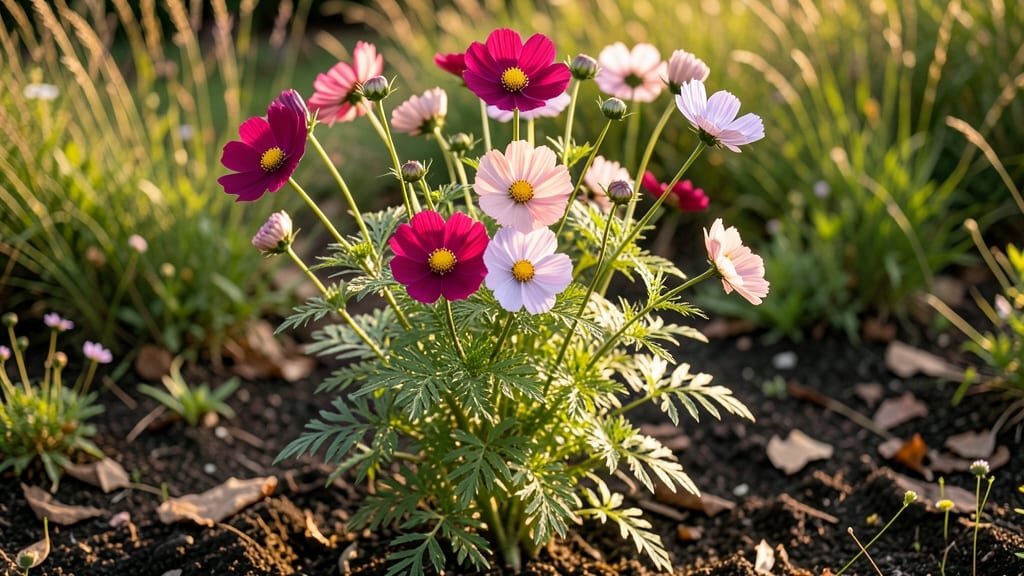
The cosmos flowers bloom time depends on warmth—once temperatures hit 60°F+ and stay consistent, your garden transforms into a dazzling summer spectacle. If you’ve ever wondered why your cosmos flowers seem to burst into bloom only when temperatures rise—or why some varieties linger longer than others—you’re not alone.
These heat-loving plants wait for the right cue, and once they start, they reward you with weeks of vibrant blooms.
In USDA Zone 6a, most cosmos varieties like the popular 'Sensation Mix' begin flowering in June, with peak color lasting through September if you play your cards right. But heat waves can speed things up, while cooler spells might delay them—so timing your planting matters.
Below, I’ll break down the exact stages of cosmos bloom time, how to spot the signs, and pro tips to keep them flowering until frost.
Whether you’re a first-time gardener or a seasoned pro, you’ll leave here with a clearer picture of when—and how—to enjoy your cosmos at their best.
How heat triggers cosmos flowers to bloom: stages & temperature thresholds
Cosmos flowers are famous for their effortless beauty, but their blooming schedule is closely tied to heat exposure and day-length changes. Unlike some flowers that bloom in cool weather, cosmos respond dramatically to rising temperatures—typically between 50°F and 90°F.
This heat sensitivity explains why they often burst into color just as summer settles in, but understanding the exact stages can help you time your plantings for the longest bloom period.
The magic happens when daytime temperatures consistently stay above 60°F. Cosmos are short-day plants, meaning they bloom more prolifically as daylight shortens in late summer. However, heat acts as the primary trigger—even in long summer days, warm temperatures kickstart their flowering cycle.
This dual sensitivity makes them adaptable to both tropical and temperate climates, as long as the right conditions align.
Here’s how heat influences each bloom stage, from early buds to extended flowering:
During the early bud stage, cosmos need warmth to transition from vegetative growth to flowering. If temperatures dip below 50°F for extended periods, buds may fail to open or develop poorly.
This is why late spring plantings often yield fewer blooms—your plants need time to warm up. Aim to sow seeds when soil temperatures consistently reach 60°F or higher to avoid delays.
The peak blooming stage occurs when daytime highs hover between 65°F and 85°F. At this range, cosmos produce the most flowers in the shortest time, often within 6–8 weeks of planting. This is also when they’re most sensitive to day-length changes.
In regions with long summer days (like the Southwest U.S.), cosmos may bloom continuously until frost, while in cooler climates (like the Pacific Northwest), they’ll peak in late summer and fade with shorter days.
For extended bloom time, focus on maintaining temperatures between 70°F and 90°F. This range keeps cosmos flowering well into fall, especially in varieties like 'Sensation Mix' or 'Bright Lights'. Heat waves above 95°F can cause stress, leading to bud drop or wilting.
To mitigate this, provide afternoon shade with lightweight shade cloth (30–50% coverage) during extreme heat, while ensuring full morning sun for energy production.
One common misconception is that cosmos bloom only once. In reality, they’re continuous bloomers when properly cared for. The key is deadheading—removing spent flowers regularly to redirect energy into new buds.
Combine this with consistent watering (1–2 inches per week) and a balanced fertilizer (5-10-10 NPK) every 4–6 weeks to sustain their heat-triggered flowering cycle.
If you’re in a hot climate zone (9–11), cosmos may bloom earlier and more vigorously, while cooler zones (3–6) will see delayed but prolonged flowering into fall. For example, in Zone 7, cosmos often start blooming in late June and continue until first frost in October.
In Zone 10, they may bloom year-round with minimal care, though deadheading is still essential to prevent legginess.
To maximize bloom time, time your plantings for late spring to early summer. Seeds sown in April–May (after last frost) will typically bloom by July–August, while succession plantings in June can extend the season into September–October.
This staggered approach ensures a continuous display of cosmos flowers, even as some varieties fade.
Heat isn’t the only factor—soil moisture and nutrient balance also play critical roles. Overwatering in heat can lead to root rot, while underwatering causes buds to abort. Aim for deep, infrequent watering (every 5–7 days) to encourage strong root systems that support heat-triggered blooming.
Mulch with straw or shredded leaves to retain moisture and regulate soil temperature.
For gardeners in high-altitude areas (like Denver or Albuquerque), cosmos may bloom later due to cooler nighttime temperatures. In these regions, use black plastic mulch to warm the soil and consider heat-loving varieties like 'Cosmos bipinnatus', which tolerates wider temperature swings.
With the right approach, you can enjoy cosmos blooms from summer through early winter in many climates.
Late-season care tips to prolong cosmos bloom time & prevent fading
As summer transitions to fall, your cosmos flowers may start to slow down—but with the right care, you can extend their vibrant display well into autumn.
The key lies in understanding how late-season conditions affect these heat-loving plants. Cosmos typically thrive in warm weather, but cooler temperatures and shorter days can signal the end of their natural bloom cycle. By adjusting your care routine now, you can trick them into producing fresh blooms for weeks longer.
One of the biggest mistakes gardeners make is assuming cosmos are low-maintenance once they start flowering. While they’re drought-tolerant, they still need strategic care to keep producing. Deadheading spent blooms, for example, isn’t just about aesthetics—it’s a critical step to encourage new flower production.
Without this simple task, your plants may focus energy on seed production instead of blooming, cutting your display time short.
⚠️ CALL OUT WARNING
Cosmos are drought-tolerant, but fall’s cooler temps change their needs. Too much water in late summer/early fall can lead to root rot and fungal issues, causing blooms to wilt prematurely. Water deeply but less frequently—aim for 1-2 inches per week—and always water at the base of the plant to keep foliage dry.
✅ Do: Water in the morning to reduce evaporation and fungal risk.
❌ Don’t: Let soil stay soggy; cosmos hate wet feet in cooler weather.
To keep your cosmos blooming through fall, start with deadheading every 3–4 days. Use clean, sharp pruning shears to snip off faded blooms just above a set of leaves. This redirects the plant’s energy toward producing new flowers instead of seeds.
For varieties like 'Sensation Mix', which are known for their long bloom time, this technique can extend their display by 4–6 weeks into autumn.
Adjust your fertilizer routine as temperatures drop. Cosmos don’t need heavy feeding in late summer, but a light application of balanced fertilizer (5-10-10) in early fall can give them a gentle boost.
Apply it in the morning after watering to prevent root burn. Avoid high-nitrogen fertilizers, which encourage leafy growth at the expense of flowers. Instead, focus on a phosphorus-rich option to support blooming.
Protect your cosmos from early frost, which can damage tender new growth and cause blooms to fade overnight. If frost is forecasted, cover plants with a lightweight frost cloth or row cover in the evening and remove it the following morning.
For extra protection, you can also mulch around the base with straw or shredded leaves to insulate the roots. This simple step can buy you an extra 2–3 weeks of blooming time.
If your cosmos start to wilt or look leggy, don’t give up—revival is often possible. First, check for pests like spider mites, which thrive in dry conditions and can stress plants. Spray affected areas with neem oil or a mild soap solution.
Next, trim back any overly long stems to encourage bushier growth. Finally, give them a deep watering and place them in a sunnier spot if possible. With these adjustments, many cosmos plants bounce back and produce fresh blooms.