
Flowers
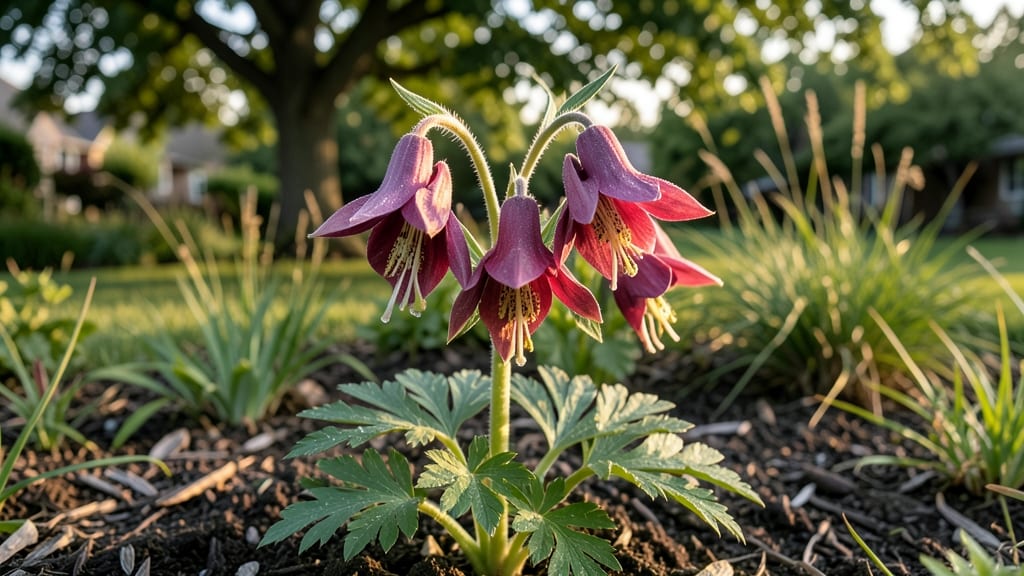
Columbine flowers do not bloom all summer—most varieties bloom from spring through early summer, while late-season types like Aquilegia canadensis can extend flowering into fall with proper deadheading and care. Extreme heat and drought will cut bloom cycles short.
Columbines are cool-season plants, so their natural bloom cycle aligns with spring's mild temperatures and longer daylight hours. Most garden varieties—like the classic Aquilegia vulgaris—peak in late spring and taper off by June as summer heat sets in. Canadian columbine (Aquilegia canadensis) is the exception, often reblooming in fall when temperatures drop.
This is why gardeners in hot climates need to provide afternoon shade and consistent moisture to coax even a few extra blooms.
What many don't realize is that columbines actually set flower buds the previous fall, meaning their spring display is pre-determined.
Removing spent blooms (deadheading) encourages new flowers to form, but only if the plant isn't heat-stressed. Overwatering in summer can be just as harmful as drought—columbines prefer well-draining soil and hate soggy roots.
For the longest possible display, I recommend planting them in partial shade and mulching heavily to retain moisture.
💡 In This Article
- Columbine Bloom Duration by Variety: Spring vs Summer-Flowering Types
- Extending Columbine Blooms: Late-Season Care for Longer Flowering
Columbine bloom duration by variety: spring vs summer-flowering types
The columbine's bloom cycle is tightly linked to its native habitat in temperate climates. Most garden varieties, like the beloved European columbine (Aquilegia vulgaris), evolved to thrive in spring's cooler temperatures (50-65°F) and longer daylight hours.
Their natural flowering period spans 6-8 weeks, typically from late April through June, after which the plant enters dormancy to conserve energy during summer's heat. This is because columbines are cool-season perennials, meaning they prioritize root and foliage growth over flowering when temperatures exceed 75°F. 🌸
There are notable exceptions among columbine species. For instance, golden columbine (Aquilegia chrysantha) and Canadian columbine (Aquilegia canadensis) exhibit different timing. The golden variety often blooms slightly later in the season (May-July) due to its adaptation to higher-elevation, cooler environments.
Meanwhile, Canadian columbine can produce a second flush of blooms in early fall (September-October) when temperatures drop below 70°F and daylight shortens. This species' ability to rebloom stems from its genetic adaptation to Canada's shorter growing seasons, where it must capitalize on brief warm periods.
The key factor influencing bloom duration is photoperiodism—the plant's response to daylight length. Columbines require 14-16 hours of daylight to trigger flowering. As summer progresses and days shorten, most varieties cease blooming unless they're in regions with extended daylight (like Alaska or northern Europe).
In southern climates, the opposite happens: heat stress (above 85°F) causes flowers to drop prematurely, and the plant may go dormant by early June. This explains why columbines in Florida or Texas rarely bloom beyond May unless given afternoon shade.
Another critical factor is vernalization—the process where columbines need cold exposure (typically 4-6 weeks below 40°F) to set flower buds the previous fall. If winter temperatures are too mild (like in coastal California), the plant may not properly initiate spring blooms.
This is why some gardeners in warm climates report columbines that bloom weakly or not at all—without adequate cold stratification, the plant's flowering mechanism is disrupted. 🌡️
Let's compare three popular varieties to see how their bloom cycles differ:
- European columbine (Aquilegia vulgaris): Blooms April-June (peak in May), rarely beyond July even with care. Prefers partial shade in summer.
- Golden columbine (Aquilegia chrysantha): Blooms May-July, often lasting 2-3 weeks longer than European types. Tolerates more sun but still needs afternoon shade in hot zones.
- Canadian columbine (Aquilegia canadensis): Primary bloom May-June, with potential fall rebloom (September-October) in cooler regions.
What most gardeners overlook is how soil moisture interacts with these cycles. Columbines are drought-tolerant once established, but consistent moisture during bloom time (not soggy soil) can extend flowering by 1-2 weeks. The trade-off? Overwatering in summer can lead to fungal issues, while drought causes buds to abort.
The sweet spot is 1 inch of water per week during active growth, delivered at the soil level (not overhead) to prevent mildew. 💧