
Blooming
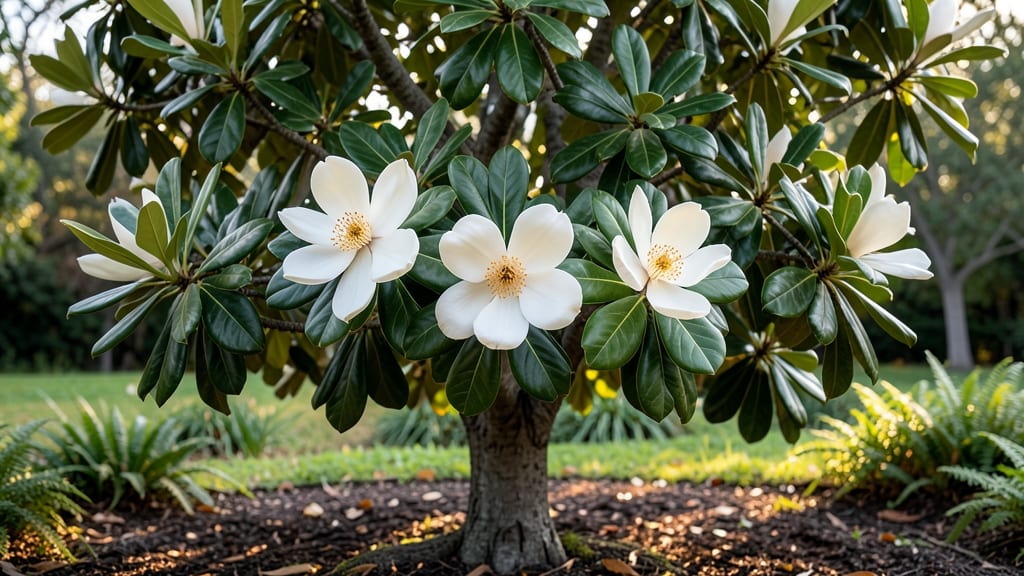
Southern magnolias burst into bloom between late April and June, painting your yard in a fragrant white canopy that turns neighbors green with envy. 🌸 I’ll never forget the first time I saw mine—those leathery leaves and creamy blossoms arriving like clockwork, year after year.
The timing shifts slightly depending on whether you’re in the Deep South or the upper reaches of the magnolia’s range, but the show always steals the scene. The secret to reliable blooms? Well-drained soil and full sun—plus a little patience.
These trees take 5-10 years to really hit their stride, but once they do, they reward you with 6-8 weeks of nonstop fragrance and bold color.
Prune right after blooming to shape the tree without cutting off next year’s flowers, and watch your magnolia become the star of the spring garden. What you’ll love most is how the blooms transform your yard from a quiet corner to a showstopping centerpiece.
The scent alone—sweet, heavy, and intoxicating—is worth the wait. Even urban yards benefit from their dramatic presence, as long as you give them room to grow. For gardeners in colder zones, a little winter protection (like mulch) helps them bounce back stronger. And if your magnolia skips a year?
Don’t panic—it’s just resting up for its next grand performance. Here’s how to keep it happy until then.
📚 In This Guide
- What you need
- Instructions
- Tips and common mistakes
- Wrapping up and next steps
What you need
- ● Southern Magnolia Tree: A healthy, mature specimen (Magnolia grandiflora). Choose a 3–5-year-old tree (10–15 ft tall) for faster blooming.
- ● Well-draining soil: Mix 2 parts native soil + 1 part compost (avoid clay-heavy soil).
- ● Mulch: 3–4 inches of organic mulch (pine bark or shredded leaves) to retain moisture.
- ● Watering can or hose: With a gentle spray nozzle for deep root hydration.
- ● Pruning shears: Bypass pruners (sharp, 6–8 inch blades) for shaping.
- ● Fertilizer: Slow-release, acidic fertilizer (e.g., 8-3-9 or magnolia-specific blend).
- ● Soil pH tester: To confirm pH 5.0–6.0 (ideal for magnolias).
- ● Tree support stake: For young trees in windy areas (use 2–3 ft tall stakes).
- ● Anti-desiccant spray: (e.g., Wilt-Pruf) to protect new growth in dry climates.
- ● Drip irrigation system: For automated watering (especially in hot summers).
- ● Garden gloves: To protect hands during planting/pruning.
- ● Bloom-time tracker: A garden journal or app (like Gardenate) to log bloom cycles.
How to time southern magnolia blooms for year-round beauty
This is the secret to planning around your magnolia’s natural cycle—so you’re never caught off guard.
☀️ Step 1: Understand the Southern Magnolia’s Natural Bloom Window
Southern magnolias (Magnolia grandiflora) bloom in late spring to early summer, typically between mid-May and July, depending on your hardiness zone. In warmer climates like Zones 7-10, blooms may appear as early as April, while cooler regions (Zones 6-7) often see them in June. The key is watching for tight, green flower buds forming on last year’s wood in late winter—these will unfurl into those iconic fragrant white blooms once daytime temps hit consistently above 65°F.
Here’s the thing—magnolias are slow to bloom after planting. If you’ve recently added one, expect no flowers for 3-5 years as the tree focuses on root and branch growth. Patience pays off with a 20-foot-tall fragrant canopy that transforms your yard for decades. I’ve seen mature specimens in Atlanta still blooming in August if summer stays mild.
🌱 Step 2: Create Ideal Conditions for Prolonged Blooming
Southern magnolias thrive in full sun to partial shade (at least 6 hours of direct light daily), but they’ll reward you with longer bloom seasons if you plant them where they get morning sun and afternoon shade—especially in hotter zones. The soil should be slightly acidic (pH 5.5-6.5) and well-draining. I always amend heavy clay with 2-3 inches of organic mulch (like the pine bark fines from the materials list) to keep roots cool and moisture consistent.
Water deeply once a week during the first growing season, then taper to every 10-14 days once established. The secret to continuous blooms? Avoid overwatering—soggy roots lead to bud drop. You’ll know moisture is right when the top 2 inches of soil feel dry to the touch before watering again. Fertilize in early spring with a balanced 10-10-10 formula to encourage new growth and flower production.
✂️ Step 3: Prune Strategically to Encourage More Blooms
Prune immediately after blooming (late summer) to avoid cutting off next year’s flower buds, which form on old wood. Remove only dead, crossing, or diseased branches—never more than 25% of the canopy at once. I use clean, sharp bypass pruners to make 45-degree cuts just outside the branch collar. This keeps the tree’s energy focused on next season’s buds rather than healing wounds.
Thin out crowded branches inside the canopy to improve airflow—this prevents fungal diseases like anthracnose, which can cause premature leaf drop and bud failure. If your magnolia has bare branches at the base, it’s a sign of suffocation from competing vegetation. Clear a 5-foot radius around the trunk to let light reach lower limbs, encouraging blooms all the way to the ground.
🌿 Step 4: Extend the Bloom Season with Simple Care
To coax longer-lasting blooms, protect your magnolia from late spring frosts (below 32°F) by covering it with frost cloth if buds are already swollen. I’ve seen June frosts in Georgia wipe out entire bloom cycles overnight. Once flowers fade, leave seed pods on the tree—they add winter interest and feed birds. Remove them in early spring to redirect energy into new growth.
For a second flush of blooms (common in warmer zones), give your tree a light application of bloom-boosting fertilizer (like 10-10-10) in early June. Pair this with consistent watering and you might see late-summer blooms on vigorous trees. Just don’t expect miracles—magnolias are not like annuals that rebloom easily. Think of them as slow-burning investments in yard beauty.
Tips & tricks for perfect southern magnolia bloom timing
Here's what nobody tells you about making your magnolia bloom reliably—these are the details that separate a pretty tree from a showstopper.
Zone-Specific Timing: In Zone 6-7, watch for those tight green buds to form in late February to March—they're your signal to start monitoring daily highs. Once temperatures stay above 65°F for three days straight, the blooms will unfurl within 7-10 days. In warmer zones (7-10), buds often appear earlier, but don't be fooled by a single warm day—consistent warmth is key. I've seen April blooms in Atlanta when March was unusually mild, but they're always more fragile.
Bud Health Check: Healthy flower buds should be firm and green, not brown or shriveled. If you notice buds dropping before opening, it's usually a sign of either late frost damage (below 32°F) or overwatering (which stresses the tree). I learned this the hard way after losing an entire bloom cycle from too much winter watering—now I check soil moisture before watering even in cold months.
Pruning Precision: When you prune in late summer (Step 3), focus on removing only branches that are dead, crossing, or diseased. The 45-degree cut just outside the branch collar is critical—it prevents water from pooling at the wound, which can lead to fungal infections. I always sterilize my pruners with rubbing alcohol between cuts to prevent spreading disease. Remember, you're shaping next year's bloom potential with every cut.
Frost Protection Strategy: For late spring frosts (below 32°F), cover your tree with frost cloth only when buds are already swollen—covering too early can trap moisture and encourage fungal growth. I use hoop structures with frost cloth draped over them for larger trees, and simply wrap smaller specimens in burlap. The key is to protect the buds without suffocating the tree. Test your setup a few days before frost season to ensure proper airflow.
Pro Tips for Southern Magnolia Bloom Time
- Here's what nobody tells you about making your magnolia bloom reliably—these are the details that separate a pretty tree from a showstopper.
- Zone-Specific Timing: In Zone 6-7, watch for those tight green buds to form in late February to March—they're your signal to start monitoring daily highs.
- Bud Health Check: Healthy flower buds should be firm and green, not brown or shriveled.
Frequently asked questions
Got questions about the southern magnolia bloom time? You’re not alone! Here are some of the most common inquiries—plus quick, practical answers to help you make the most of these stunning blooms.
When do southern magnolias typically bloom?
Southern magnolias usually bloom in late spring to early summer, with peak flowering between May and June in most U.S. regions. However, timing can vary based on climate—warmer areas (like the Deep South) may see blooms as early as April, while cooler zones might delay them until July. Young trees may take 3–5 years to produce flowers.
Why isn’t my southern magnolia blooming?
If your tree isn’t flowering, it could be due to age (they often need 5+ years to mature), poor nutrition (test soil for nitrogen/phosphorus), or stress from drought, transplant shock, or pests. Male and female flowers (on separate trees) are needed for fruit, but blooms can still appear even without fertilization. Prune in late winter to encourage new growth.
Can I extend the southern magnolia bloom time?
While you can’t permanently extend blooms, you can maximize their lifespan by:
- Watering deeply 1–2 times per week during dry spells (they hate soggy roots, though!).
- Avoiding heavy pruning during bloom season (wait until after flowering in summer).
- Mulching around the base to retain moisture and regulate temperature.
Do southern magnolias bloom every year?
Yes, healthy, mature trees bloom annually—though heavy frost, drought, or disease can reduce or skip blooms in a given year. If your tree is established (10+ years old) but suddenly stops flowering, check for root rot, pests (like scale), or nutrient deficiencies. A soil test and targeted care often revive blooming.
What if I want blooms earlier or later in the season?
Southern magnolias are notoriously finicky about timing, but you can influence their schedule slightly:
- Earlier blooms: Plant in a warmer microclimate (south-facing, sheltered from wind) or use mulch to insulate roots.
- Later blooms: Avoid spring pruning (which can stress the tree) and ensure consistent moisture.
Wrapping up and next steps
The southern magnolia’s bloom time—typically from late spring to early summer—brings a fragrant, snow-like canopy that elevates any landscape. 🌸 Whether you’re admiring its iconic white blooms or planning your own garden, this timeless tree offers beauty and charm year-round.
Now’s the perfect time to plant, prune, or simply enjoy its majestic presence—so take the next step and make your outdoor space even more stunning!