
Blooming
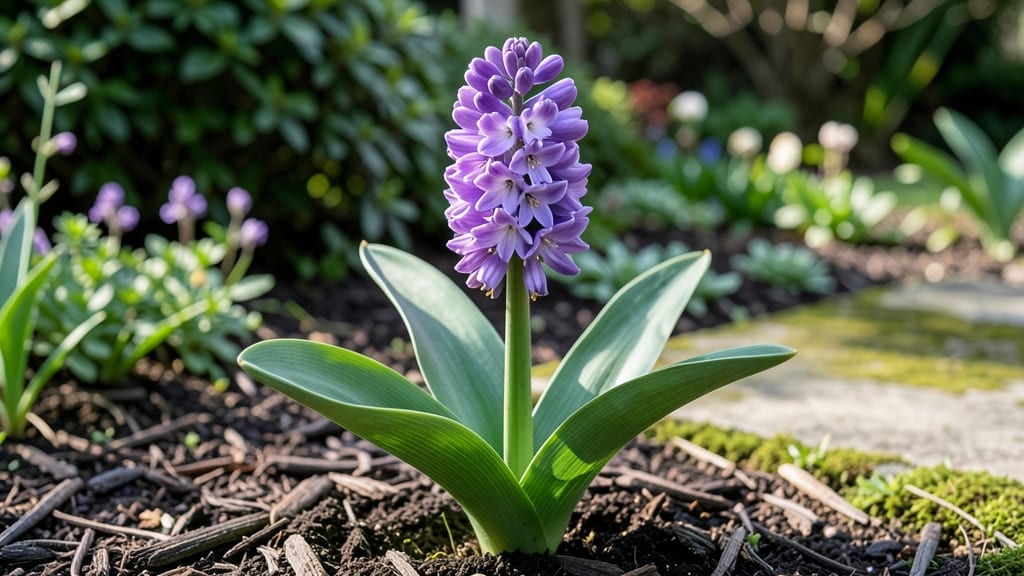
Hyacinths do not bloom all summer—they flower primarily in early spring for 2-3 weeks, with timing influenced by variety and climate. Most varieties bloom once per year between late winter and early spring.
Hyacinths are spring's star performers, not summer's. Their blooming cycle is triggered by cool winter temperatures and specific daylight hours, which explains why they peak in late winter through early spring. 🌸 Once the flowers fade, the plant enters dormancy, storing energy underground for next year's bloom.
Some varieties may produce a second, smaller flush of flowers later in the season, but this is rare and requires precise care to encourage.
What makes this timing fascinating is how climate zones affect bloom windows. In warmer regions, hyacinths might bloom slightly later, while colder climates often see earlier flowering.
The key to longer blooms lies in proper care—well-draining soil, consistent moisture, and strategic fertilization can help extend their show by a week or two. However, don't expect summer-long blooms; these are strictly spring specialists.
💡 In This Article
- Hyacinth Bloom Seasons: When and Why They Flower
- How to Extend Hyacinth Blooms: Care Tips for Longer Flowers
Hyacinth bloom seasons: when and why they flower
Hyacinths are cool-season bulbs that rely on a specific sequence of environmental cues to trigger blooming. The process begins in late fall when bulbs experience 6-8 weeks of temperatures between 40-50°F, a period called vernalization.
This cold exposure breaks dormancy and signals the plant to prepare for spring growth. Without this chilling period, hyacinths simply won't bloom—even if planted in ideal conditions later. 🌱
The actual flowering window opens when daytime temperatures stabilize between 55-65°F and nighttime temps drop to 45-50°F. This temperature range creates the perfect balance for flower development, which is why most hyacinths bloom between late winter and early spring.
Varieties like 'Delft Blue' or 'Anne Marie' typically flower first, followed by others like 'Pink Pearl' about 1-2 weeks later. The bloom cycle lasts 2-3 weeks per bulb, with each flower stalk producing 10-30 individual blossoms.
Daylight hours play a crucial role too. Hyacinths are short-day plants that require 10-12 hours of daylight to trigger flowering.
In northern climates, this natural daylight window aligns perfectly with spring, but in southern regions, gardeners often need to plant bulbs earlier to ensure they get enough cold exposure before temperatures warm.
The plant's internal clock—controlled by a protein called FT (FLOWERING LOCUS T)—coordinates these signals to produce flowers at precisely the right moment.
What most people don't realize is that hyacinths have a strict annual bloom cycle tied to their energy storage system. After flowering, the plant shifts resources underground, storing nutrients in the bulb for next year's growth.
This is why you'll rarely see hyacinths rebloom naturally—they're designed to conserve energy for their single annual show. Some hybrid varieties, however, can produce a second, smaller flush of flowers if given consistent moisture and fertilizer after the first bloom fades.
Climate zones dramatically affect bloom timing. In USDA Zone 3-5, hyacinths often bloom as early as February, while in Zone 8-10, they may not appear until April or May.
The difference comes down to soil temperature and chilling requirements—warmer climates require bulbs to be planted 2-3 months earlier to meet their cold exposure needs. Even within the same zone, microclimates (like sheltered garden spots) can shift bloom times by 1-2 weeks.
Here's what happens botanically during dormancy: The plant's leaves turn yellow and die back as photosynthesis stops, but the bulb remains active underground. It converts stored sugars into flavonoids and anthocyanins—the pigments that give hyacinths their vibrant colors—which are produced in specialized cells within the bulb.
This chemical process ensures the flowers will have their characteristic hues when they finally emerge in spring. 💜
The one exception to the "single bloom" rule comes with forced hyacinths—bulbs grown indoors under controlled conditions. When gardeners subject bulbs to 10-12 weeks of cold storage at 40°F followed by warm, bright conditions, they can coax a second (though smaller) bloom cycle.
This technique is commonly used by florists to extend the market season, but it's not practical for home gardeners seeking natural reblooming.