
Blooming
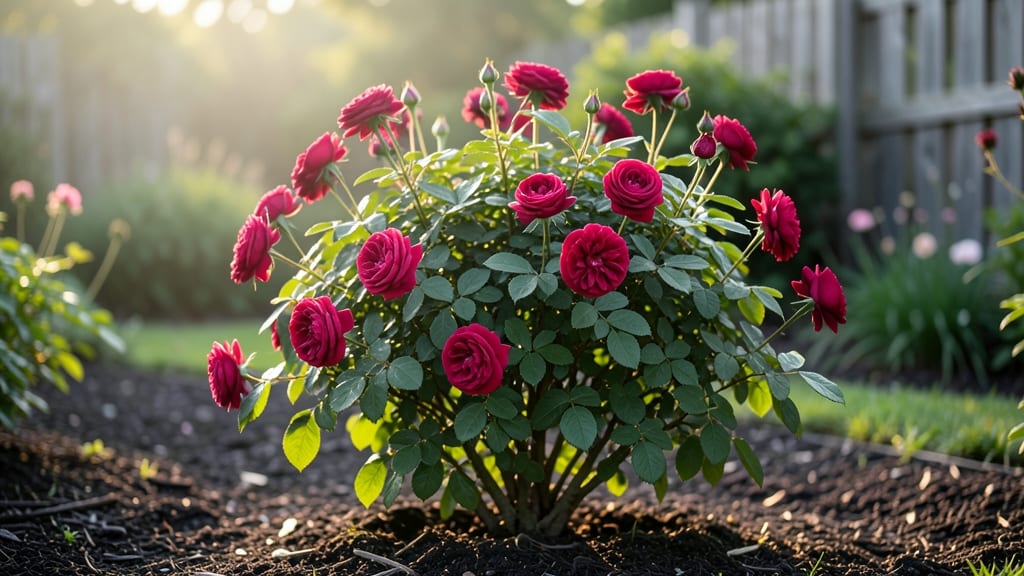
Knockout roses don’t just bloom all summer—they turn your garden into a nonstop floral show from May through frost. 🌸 I’ve grown them for years, and even in 90-degree heat, these roses keep producing clusters of blooms like they’re on a never-ending schedule.
The secret isn’t magic; it’s their repeat-blooming genetics and thick, drought-resistant canes that shrug off heatwaves while other roses wilt.
Their continuous blooming isn’t absolute—cooler climates or late-season droughts might slow them down, but they’ll rebound faster than traditional roses. Varieties like ‘Double Knock Out’ or ‘Radrazz’ stay especially consistent, while older types might need a mid-summer pruning to encourage fresh growth.
Think of them as the workhorses of the rose world: they don’t demand perfection, just occasional deadheading and water when the soil dries out.
What you’ll get is months of color with minimal fuss—no blackspot, no mildew, and no need for constant fertilizing. The blooms arrive in waves, so you’re always snipping fresh stems for bouquets or letting them add bold pops of pink, red, or yellow to your landscape.
Even in Zone 5, they’ll keep going until the first hard frost, often longer than hybrid teas or floribundas.
That said, they’re not completely indestructible: heavy pruning in late summer can stunt fall blooms, and neglecting soil moisture during heatwaves will make them droop. But with basic care, they’ll outperform 90% of roses you’ve tried—no summer slump, no excuses.
Root Causes Of Shortened Blooms
If your Knockout Roses aren’t living up to their reputation for nonstop summer blooms, the issue likely stems from one (or more) of these key factors. Understanding the science behind each helps you take precise action to revive your roses’ flowering power. Let’s dig in!
Knockout Roses thrive on a steady diet of nutrients, but imbalanced soil can starve them into early dormancy. These roses are heavy feeders, especially during peak blooming seasons. Here’s what’s likely happening:
- Nitrogen Deficiency: Too little nitrogen (a key macronutrient) weakens stems and reduces flower production. Look for yellowing lower leaves—a classic sign your roses aren’t getting enough.
- Phosphorus Shortage: Phosphorus fuels root growth and flowering. If your roses bloom briefly then fizzle, a low phosphorus level (P) in soil tests (below 30 ppm) is often the culprit.
- Micronutrient Imbalance: Even tiny deficiencies in magnesium, iron, or zinc can disrupt chlorophyll production, leading to sparse blooms. Yellow veins on green leaves? That’s magnesium crying for help.
Actionable Fix: Test your soil (pH should be 6.0–6.5) and amend with a balanced, slow-release fertilizer (like 10-10-10) in early spring. For a quick boost, side-dress with composted manure or bone meal (high in phosphorus).
Knockout Roses are drought-tolerant, but that doesn’t mean they’re drought-proof. Watering issues—either underwatering or overwatering—can trigger stress that halts blooming. Here’s how to spot the problem:
| Symptom | Cause | Fix |
|---|---|---|
| Wilted leaves that don’t recover by evening | Severe underwatering (soil dry 2+ inches deep) | Water deeply 1–2x per week (1–1.5 inches total). Use drip irrigation to avoid surface drying. |
| Yellowing leaves + mushy stems | Overwatering (soggy soil = root rot) | Let soil dry 1–2 inches between waterings. Improve drainage with organic mulch (3–4 inches). |
| Blooms fall off prematurely | Inconsistent watering (fluctuating moisture) | Stick to a schedule: Deep watering early morning (6–9 AM) reduces stress. |
Pro Tip: 🌡️ Mulch matters! A 3-inch layer of wood chips or straw keeps roots cool and retains moisture—critical during heatwaves. Never let mulch touch the stems to prevent rot.
Knockout Roses are bred for heat resistance, but prolonged temperatures above 95°F (35°C) can push them into survival mode. Here’s how heat disrupts blooming:
- Photosynthesis Shutdown: High heat closes stomata (leaf pores), reducing CO₂ intake. Without energy, flowers abort development or drop.
- Root Zone Cooking: Soil temperatures above 85°F (29°C) can kill beneficial microbes that help roots absorb water/nutrients.
- Bud Blast: Heatwaves cause buds to dry out before opening. Look for crispy, brown buds—a sure sign of heat stress.
Actionable Fix:
- 💡 Shade cloth (30–50%) during peak afternoon sun (12–4 PM).
- 🌿 Mulch heavily to insulate roots (use light-colored mulch like straw to reflect heat).
- 💦 Frequent light watering (early morning) to cool leaves via transpiration.
Knockout Roses are disease-resistant, but persistent pests or fungal infections can drain their energy, cutting blooms short. Watch for these red flags:
- Japanese Beetles: These skeeters devour petals and leaves, weakening the plant. Heavy infestations force roses into defensive mode, halting new blooms.
- Black Spot Fungus: Causes dark spots on leaves, reducing photosynthesis. Severe cases lead to leaf drop and stunted growth.
- Root-Knot Nematodes: Microscopic worms that damage roots, limiting water/nutrient uptake. Look for stunted, yellowing plants despite good care.
Actionable Fix:
- 🔥 Handpick beetles (drop into soapy water) or use neem oil spray (repeat every 5–7 days).
- 🌡️ Improve airflow by pruning dense foliage to prevent fungal spread.
- 💪 Soil drenches with beneficial nematodes (like Phasmarhabditis hermaphrodita) to combat root pests.
Knockout Roses bloom on new wood, meaning proper pruning encourages continuous flowering. But timing and technique matter—here’s how to mess it up:
- Late-Season Pruning: Cutting back after July removes next year’s flower buds, leaving your roses bare for late summer.
- Over-Pruning: Shearing more than 1/3 of the plant stresses it, diverting energy to regrowth instead of blooms.
- Top-Heavy Cuts: Trimming only the top creates weak stems that flop or snap under heavy blooms.
Actionable Fix:
- 🔪 Prune in early spring (just as new growth starts) and lightly after blooms (June) to shape.
- 🌿 Cut at a 45° angle above an outward-facing bud
Revive & Extend Your Blooms
Knockout roses are tough, but even the hardiest plants need a little TLC to keep them flowering nonstop through summer’s heat. If your roses are struggling to bloom continuously, here’s how to diagnose and fix the most common issues—plus tips to prevent future setbacks.
Signs: Yellowing leaves, wilted blooms, or roots sitting in soggy soil. Why it happens: Too much water (or compacted soil) suffocates roots, starving plants of oxygen and nutrients.
How to fix it:
- 🔥 Drainage first: Amend heavy clay soil with compost or perlite (mix 20% organic matter into the top 6–12 inches).
- 🍳 Adjust watering: Water deeply 1–2 times per week (early morning) instead of daily shallow sprinkles. Let the top 2 inches of soil dry out between waterings.
- 👨🍳 Raise beds if needed: For containers or low spots, use gravel or raised beds to improve airflow.
Prevent future issues: ✅ Test your soil with a moisture meter or the "squeeze test" (clump soil—if it stays tight, it’s too wet). ✨ Mulch properly: Use 2–3 inches of mulch (wood chips or straw) to retain moisture without smothering roots.
Signs: Drooping leaves, crispy edges, or buds falling off before opening. Why it happens: Knockout roses can handle heat, but extreme drought (or inconsistent water) causes stress.
How to fix it:
- 🥘 Hydrate deeply: Water at the base (not leaves) for 10–15 minutes per session to encourage deep root growth.
- 🌡️ Shield from scorching sun: If temps hit 90°F+, provide afternoon shade (use shade cloth or plant near taller shrubs).
- 💡 Fertilize lightly: Switch to a balanced, slow-release fertilizer (10-10-10) in early summer to avoid burning roots.
Prevent future issues: 🔥 Drip irrigation > hose: A soaker hose delivers water slowly and evenly, reducing waste. 🎯 Group plants wisely: Pair roses with drought-tolerant companions (lavender, catmint) to share moisture.
Signs: Black spots on leaves, powdery white residue, or buds rotting before opening. Why it happens: Humidity + poor airflow = fungal paradise (black spot, powdery mildew).
How to fix it:
- 🔪 Prune aggressively: Remove infected leaves/blooms (sterilize shears with rubbing alcohol).
- 🌿 Improve airflow: Space plants 3–4 feet apart and prune inner branches to let sunlight penetrate.
- 💪 Treat naturally: Spray with a baking soda mix (1 tsp baking soda + 1 quart water + a drop of dish soap) weekly.
Prevent future issues: ✨ Water at the roots (avoid wetting foliage). 📊 Monitor humidity: Use a hygrometer—aim for 40–60% humidity around plants.
Signs: Small, sparse blooms or leaves turning yellow between veins. Why it happens: Knockout roses need phosphorus (P) and potassium (K) for flowers, but over-fertilizing can backfire.
How to fix it:
- 🥗 Feed right: Use a low-nitrogen, high-phosphorus fertilizer (like 5-10-5) every 4–6 weeks in summer.
- 🍎 Compost tea boost: Brew compost tea (steep compost in water for 24 hours) and spray foliage for micronutrients.
- 💪 Avoid fresh manure: It burns roots—stick to aged compost or worm castings.
Prevent future issues: 💡 Test soil annually—Knockout roses thrive in slightly acidic soil (pH 6.0–6.5). 🎯 Deadhead regularly: Snip spent blooms just above a leaf node to redirect energy to new flowers.
Pro Tip: 🌡️ Heatwave hack: On 100°F+ days, mist leaves early in the morning to cool them down (but avoid evening misting to prevent fungal growth).
With these fixes, your Knockout roses will bloom like clockwork—drought, heat, and pests be damned! 🌹🔥
Frequently asked questions
Do Knockout roses really bloom all summer without stopping?
Yes! These roses are bred to produce continuous blooms from early summer until frost, often with minimal breaks. Unlike traditional roses that bloom once and fade, Knockouts keep producing fresh flowers in waves—especially varieties like 'Double Knock Out' or 'Radrazz'. They thrive in heat and drought, making them perfect for low-maintenance gardens.
Why do my Knockout roses bloom less in late summer?
Late-summer slowdowns often happen due to heat stress (above 95°F) or nutrient depletion. Prune lightly in early summer to encourage new growth, and feed with a balanced fertilizer (10-10-10) every 4-6 weeks. Varieties like 'Pink Knock Out' may also need afternoon shade during extreme heat to rebound.
Can Knockout roses bloom in cooler climates like Zone 5?
While they prefer full sun, Knockouts handle cooler summers better than most roses. They’ll bloom until the first hard frost (often October-November in Zone 5) if given well-draining soil and regular watering. Just avoid heavy pruning after July, as this removes next year’s flower buds.
How do I get Knockout roses to bloom more heavily?
Focus on three key factors:
- Deadhead spent blooms to encourage new growth,
- Feed with phosphorus-rich fertilizer (like bone meal), and
- Water deeply 1-2x per week (they’re drought-tolerant but not drought-proof). Mulch with 2-3 inches of organic matter to retain moisture and cool roots.
Are Knockout roses really disease-resistant?
Yes! Their thick canes and genetic resistance make them 90% less prone to black spot and mildew compared to hybrid teas. However, Japanese beetles and aphids can still attack. Handpick pests or use neem oil to protect blooms. Proper spacing (3-4 feet apart) also improves airflow, reducing fungal risks.