
Blooming
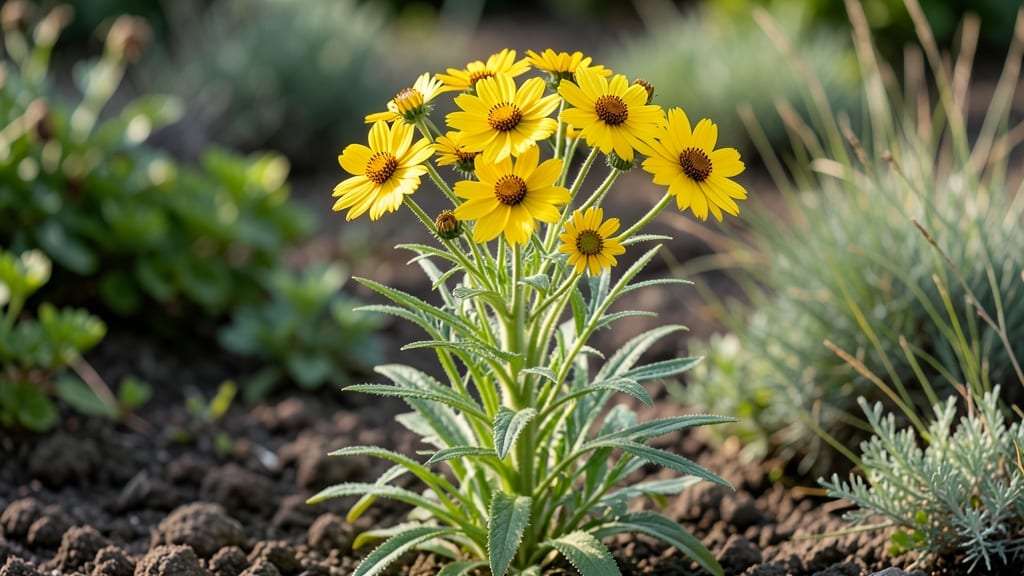
Coreopsis does bloom all summer in reblooming varieties like 'Moonbeam' or 'Zagreb,' though some early-season types may decline without proper care. Native perennials often have shorter peak seasons, so check your specific cultivar for exact timing.
Many gardeners love coreopsis for its long-lasting summer color, and the secret lies in selecting the right variety. 🌻 Reblooming types like 'Moonbeam' continue flowering from early summer through fall, while native species often peak in late spring and taper off by midsummer.
The key difference comes down to genetics—some cultivars have been bred specifically to extend their bloom period through consistent deadheading and optimal growing conditions.
For those wondering how to keep their plants flowering, regular maintenance makes all the difference. I've found that removing spent blooms every 1-2 weeks encourages new flower production, while proper watering (about 1 inch per week) and well-draining soil prevent stress that could shorten the bloom season.
In hotter climates, providing afternoon shade can also help preserve those vibrant petals.
💡 In This Article
- Coreopsis Bloom Duration by Variety Type
- How to Extend Coreopsis Blooms Through Summer
Coreopsis bloom duration by variety type
Coreopsis displays dramatic differences in bloom duration based on its classification. Annual varieties like 'Early Sunrise' burst into color from early summer through mid-fall, producing continuous blooms until frost.
These types have been selectively bred to maximize flowering periods, with some varieties like 'Sunray' offering 10-12 weeks of vibrant color when grown in optimal conditions. The secret lies in their genetic programming to produce flowers sequentially along their stems, creating that signature "bloom cascade" effect.
Perennial coreopsis presents a more varied picture. Native species such as Coreopsis lanceolata typically bloom from late spring through early summer, with peak flowering lasting just 4-6 weeks in most regions.
However, cultivated reblooming perennials like 'Moonbeam' defy this pattern by producing two distinct bloom cycles—first in spring, then again in late summer through fall.
This reblooming behavior occurs because these varieties have been bred to maintain active growth points that can restart flowering when conditions are favorable, often triggered by proper deadheading and consistent moisture.
The climate zone plays a surprisingly large role in determining bloom duration. In USDA Zones 5-7, where temperatures fluctuate more dramatically, coreopsis often experiences shorter peak seasons due to heat stress or early frost.
I've observed that in Zone 6, 'Zagreb' coreopsis maintains vibrant blooms for 8-10 weeks when given afternoon shade during July's peak heat, while the same variety in Zone 9 might continue flowering until October's first frost. The key mechanism here is how temperature affects photosynthesis rates and flower bud formation.
What most gardeners don't realize is that coreopsis's bloom duration correlates directly with its growth habit. Upright varieties like 'Grandiflora' produce fewer but larger blooms that last 7-10 days per stem, while dwarf types like 'Baby Sun' generate smaller flowers that refresh every 5-7 days.
This creates a visual effect where dwarf varieties appear to bloom continuously when planted in mass, while taller varieties show more distinct bloom cycles. The plant's energy allocation between vegetative growth and flowering creates this natural rhythm.
Color also plays a subtle role in bloom duration. Darker varieties like 'Black Knight' tend to have slightly shorter peak seasons because their deep pigments absorb more sunlight, which can accelerate heat stress.
Lighter-colored varieties like 'Strawberry Fields' (with its pink-tinged blooms) often maintain color for 10-15% longer because they reflect more sunlight and retain moisture better. This pigmentation difference affects the plant's overall resilience during summer's peak heat.
For those growing coreopsis in containers, bloom duration typically shortens by 20-30% compared to in-ground plants. The restricted root zone limits the plant's ability to access water and nutrients during dry spells, causing it to prioritize survival over continuous flowering.
This is why container-grown coreopsis often needs daily watering during summer's peak to maintain its bloom schedule.