
Blooming
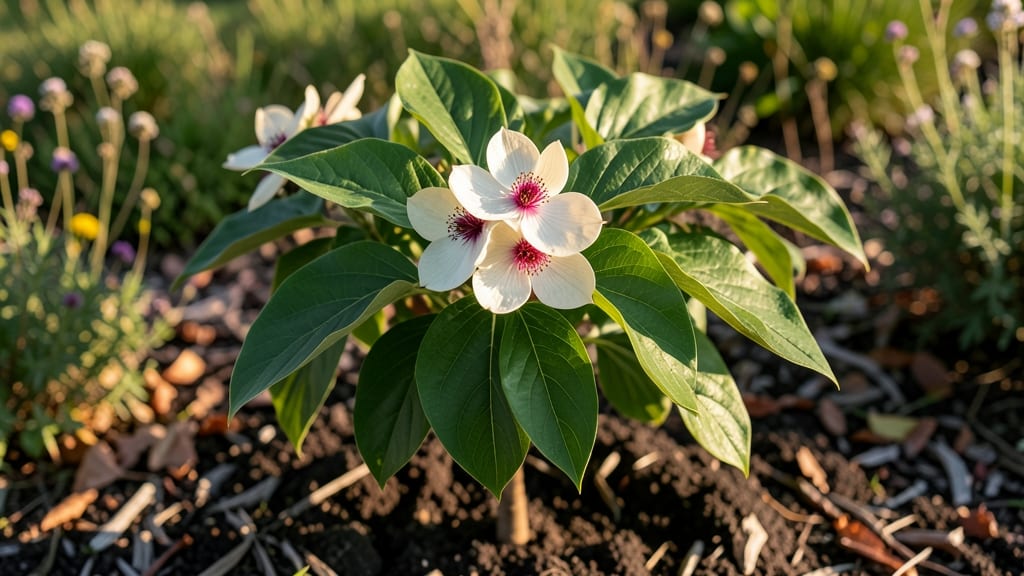
The meaning of dogwood blooms centers on enduring love, hope, and purity, deeply tied to Christian faith as symbols of resilience while embodying natural beauty and humility. Their striking contrast between delicate petals and sturdy bark reflects inner strength beneath grace.
The dogwood's cross-shaped flowers have fascinated cultures for centuries, particularly in Christianity where they're said to represent the crucifixion—legend claims the tree's bark saved Jesus during his journey to Calvary. 🌸 Beyond religious ties, these blooms appear in Native American traditions as protectors of homes and symbols of renewal after winter.
Their seasonal appearance from late winter to spring also ties them to hope and new beginnings, making them a powerful motif in weddings and spring celebrations.
What makes dogwoods so compelling is how their symbolism mirrors their physical characteristics. The delicate pink or white petals evoke purity and fragility, while the hard inner bark represents endurance.
This duality explains why they appear in everything from Christian iconography to Japanese poetry, where they symbolize both the fleeting beauty of life and its underlying strength.
💡 In This Article
- Dogwood Flower Symbolism Across Cultures and Religions
- How to Use Dogwood Blooms in Garden Design
Dogwood flower symbolism across cultures and religions
In Christianity, the dogwood's four-petaled, cross-shaped blooms carry profound spiritual meaning.
According to legend, the tree's bark was used to create the cross for Jesus' crucifixion, with its branches forming the crown of thorns—a story that ties the dogwood to sacrifice and redemption. 🌿 The tree's ability to bloom even in harsh conditions further reinforces its symbolism of hope during difficult times, particularly during Lent and Easter seasons when Christians reflect on renewal.
The Native American Cherokee people revered dogwoods as protectors, believing their presence near homes would ward off evil spirits and bring good fortune. They also saw the tree's early spring blooms as a sign of renewal after winter's dormancy, making it a symbol of resilience in challenging seasons.
In some tribes, dogwood branches were used in purification rituals, highlighting its connection to cleansing and spiritual protection.
Across Asia, particularly in Japan and China, dogwoods represent humility and beauty in nature.
Their delicate flowers appear before the leaves emerge—a trait that inspired haiku poets to describe them as "heaven's lanterns" lighting the way through winter's darkness. 🌸 In Chinese folklore, dogwoods were planted near temples to symbolize purity and enlightenment, while Korean traditions associated them with longevity and family harmony.
Scientifically, the dogwood's dual nature—delicate flowers with tough inner bark—mirrors its symbolic meanings. The bark's high tannin content makes it naturally resistant to decay, much like how the tree's symbolism endures across centuries.
This physical resilience explains why dogwoods appear in everything from medieval Christian art to modern wedding bouquets, where they represent both fleeting beauty and lasting commitment.
The dogwood's seasonal timing also enhances its symbolic power. Blooming from late winter to early spring, these flowers emerge when hope is most needed, making them perfect for celebrations of new beginnings.
Their short bloom period—typically just 2-4 weeks—adds a layer of meaning about the preciousness of fleeting beauty in life's journey.
Consider these cultural connections when choosing dogwoods for symbolic purposes:
- Christian settings: Use white dogwoods for purity and sacrifice themes
- Native American traditions: Plant near homes for protection and renewal
- Asian-inspired gardens: Pair with bamboo for harmony and longevity symbols
- Wedding ceremonies: Incorporate pink dogwoods for enduring love messages