
Blooming
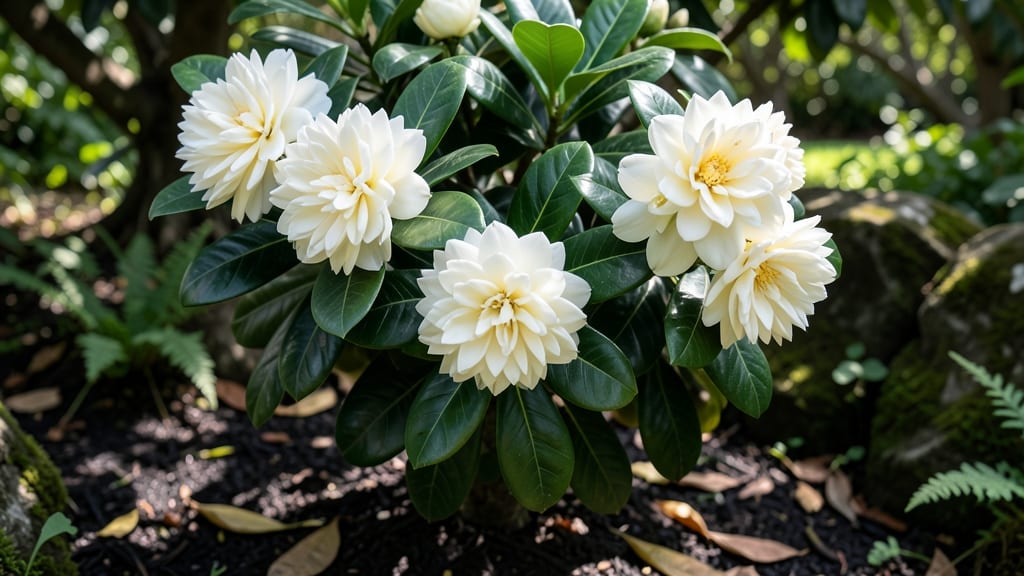
Double bloom gardenias transform your yard into a fragrant paradise—but only if you trigger their heat-loving secrets. 🌸 I’ve grown these showstoppers for years, and the key to their second flush of blooms lies in summer heat, precise pruning, and a soil mix that mimics their tropical roots.
Most gardeners miss this step and end up with just one weak bloom cycle. The magic starts with morning sun and afternoon shade, paired with well-draining soil rich in organic matter. Overwatering is their silent killer, so I check soil moisture weekly—especially in summer—using my finger to test depth.
When done right, these glossy leaves and double blooms reward you with three seasons of fragrance, not just one. You’ll know you’ve cracked the code when your gardenia bursts with clusters of creamy-white blooms from spring through fall, filling the air with that intoxicating, old-fashioned perfume. The secret?
A mid-summer pruning to encourage new growth and a winter feeding to prep for next year’s heat-triggered blooms. Even in hot climates, these plants thrive with the right care—just avoid heavy pruning after blooms or they’ll skip their second flush. Let’s get yours reblooming like a pro!
📚 In This Guide
- What you need
- Instructions
- Tips and common mistakes
- Wrapping up and next steps
What you need
- ● Double Bloom Gardenia Plant: 1 healthy, mature plant (ensure it’s labeled as a double-blooming variety like 'Fortuniana' or 'Kleim’s Hardy').
- ● Well-Draining Potting Mix: 5–10 gallons (depending on pot size), rich in organic matter (e.g., 60% peat/coir, 30% perlite, 10% compost).
- ● Pot with Drainage Holes: 12–18" diameter (clay or ceramic preferred for airflow).
- ● Acid-Loving Fertilizer: Balanced 8-8-8 or acidic 6-6-6 (e.g., Miracle-Gro for Azaleas/Rhododendrons).
- ● Pruning Shears: Sharp, sterilized pair (alcohol wipe recommended).
- ● Mulch: 2–3" layer of pine bark or sphagnum moss (keeps roots cool and moist).
- ● pH Meter: To test soil acidity (ideal range: 5.5–6.5).
- ● Spray Bottle: For misting leaves (especially in dry climates).
- ○ Heat Lamp or Grow Light: Optional for indoor growers (12–14 hours/day, 75–85°F).
- ● Slow-Release Acidic Granules: (e.g., Holly-Tone) for long-term soil acidity.
- ● Glove & Sunscreen: Protect your hands from thorns and sun exposure!
Step-by-step instructions for cultivating double bloom gardenias
Here’s how to coax those lush, fragrant double blooms year-round—no fancy tricks, just smart care.
🌱 Step 1: Select and Prepare the Right Gardenia Variety
Start with a double-blooming gardenia like ‘Kleim’s Hardy’ or ‘Radicans,’ bred specifically for their abundant, layered petals. These varieties thrive in USDA Zones 7-10 and tolerate heat better than standard types. Avoid single-blooming cultivars—they’ll never give you that dramatic, layered look.
If you’re planting from a nursery pot, check the roots. Healthy roots should be white and firm, not brown or mushy. Gently loosen any circling roots with your fingers—this encourages outward growth. Soak the root ball in lukewarm water for 10-15 minutes before planting to rehydrate the roots without shocking the plant.
☀️ Step 2: Plant in Well-Draining, Acidic Soil
Gardenias demand acidic soil (pH 5.0-6.5)—test your soil first with a kit. If it’s alkaline, amend with peat moss or sulfur before planting. Mix 2 parts potting soil with 1 part perlite to ensure drainage; gardenias rot quickly in soggy soil. Dig a hole twice as wide as the root ball but only as deep as the container it came in.
Place the plant so the top of the root ball sits just below soil level—burying the stem too deep suffocates it. Backfill with your amended mix, pressing gently to remove air pockets. Water deeply until moisture seeps 2 inches below the surface. You’ll know it’s right when water drips from the drainage hole.
💧 Step 3: Water and Feed for Continuous Blooms
Gardenias hate dry soil—water when the top 1-2 inches feel dry, but never let them sit in standing water. Use rainwater or distilled water if possible; tap water’s minerals build up and harm roots. In summer, you might water every 2-3 days, but adjust for heat—wilted leaves by midday mean it’s time to water.
Feed every 4-6 weeks with an acid-loving plant fertilizer (like 8-3-9 with iron and magnesium). I switch to a half-strength bloom booster in spring to trigger those double flowers. Stop fertilizing in fall—new growth won’t harden off before winter. Prune spent blooms just above a leaf node to encourage new buds.
✂️ Step 4: Prune and Protect for Year-Round Blooms
Prune right after flowering to shape the plant and remove dead wood. Cut back leggy stems by ⅓ to encourage bushier growth—this is how you get that dense, fragrant center. Avoid heavy pruning in late summer; new growth won’t mature before cold weather. Sterilize your shears with rubbing alcohol between cuts to prevent disease.
Protect from late frosts (below 30°F) with a frost cloth or move potted plants to a sheltered spot. Gardenias are tropical—they’ll drop buds and leaves if shocked. In containers, wrap the pot in bubble wrap for extra insulation. Once temps stay above 50°F at night, they’ll bounce back with new growth.
🌿 Step 5: Monitor for Pests and Adjust Light
Watch for scale insects or whiteflies—they love gardenias. Wipe leaves with neem oil weekly as prevention. If you spot pests, isolate the plant and treat with insecticidal soap. Yellow leaves? It’s usually overwatering or iron deficiency—flush the soil with water to leach salts, then feed with chelated iron.
Gardenias need morning sun and afternoon shade in hot climates. If leaves scorch (brown edges), move it to a spot with 4-6 hours of filtered light. In containers, rotate the pot quarter-turn weekly so the plant grows evenly. You’ll know you’ve got it right when new buds form every 6-8 weeks—that’s your reward for the effort.
Tips & tricks for perfect double bloom gardenias
Here's what nobody tells you about keeping these tropical beauties thriving and blooming nonstop.
Root Prep Matters: That 10-15 minute soak before planting is your secret weapon for establishing strong roots. I've seen gardeners skip this step and end up with plants that struggle for months to catch up. Use lukewarm water—not cold—to avoid shocking the delicate root system. The goal is to wake up those roots gently without over-stressing them. This small step makes all the difference in how quickly your plant establishes itself and starts producing those coveted double blooms.
Soil pH is Non-Negotiable: Gardenias are divas when it comes to soil acidity. That pH 5.0-6.5 range isn't just a suggestion—it's essential for nutrient uptake. If your soil tests higher, don't just plant and hope for the best. I've had to completely repot gardenias that were planted in alkaline soil, and it took them a full year to recover. Test your soil first, and if you need to amend, use sulfur or peat moss—these will gradually acidify your soil over time. The payoff? Healthier plants that bloom more prolifically.
Watering Wisdom: The top 1-2 inches dry test is your golden rule, but here's the thing: gardenias hate both dry soil AND soggy soil. I learned this the hard way when my first gardenia developed root rot from overzealous watering. The key is to water deeply but infrequently. In summer heat, you might water every 2-3 days, but always check that top 2 inches first. And when you water, make it count—water should seep 2 inches down and drip from the drainage hole. This ensures the roots get properly hydrated without sitting in water.
Light Balance is Everything: Those 4-6 hours of filtered light in Step 5 are crucial for preventing leaf scorch while still giving your plant enough energy to produce blooms. I've found that placing gardenias near an east-facing window works beautifully—they get morning sun but avoid the harsh afternoon rays. If you notice brown edges on leaves, it's a clear sign you've got too much direct sun. And remember that quarter-turn weekly rotation? It's not just for looks—it ensures your plant grows evenly and doesn't develop a lopsided growth pattern that can affect blooming.
Pro Tips for Double Bloom Gardenia
- Here's what nobody tells you about keeping these tropical beauties thriving and blooming nonstop.
- Root Prep Matters: That 10-15 minute soak before planting is your secret weapon for establishing strong roots.
- Soil pH is Non-Negotiable: Gardenias are divas when it comes to soil acidity.
Frequently asked questions
Got questions about growing and enjoying your double bloom gardenia? You’re not alone! Here are some of the most common queries—plus straightforward answers to help you keep your fragrant beauty thriving.
Why isn’t my double bloom gardenia reblooming like it should?
A few key factors can disrupt reblooming: heat stress (they need consistent warmth, ideally 70–85°F), light (bright, indirect light is a must), or pruning timing. Prune after blooms fade (never in winter!) and fertilize with acid-loving plant food every 4–6 weeks. If your plant is still sluggish, check for root-bound roots or pests like spider mites.
How long does it take for a double bloom gardenia to flower after planting?
Patience is key! Mature gardenias (3+ years old) typically bloom year-round with proper care, but younger plants may take 12–18 months to produce their first flowers. Boost success by ensuring acidic soil (pH 5.0–6.5), regular watering (keep soil moist but not soggy), and high humidity. A heat lamp or greenhouse can speed up blooming in cooler climates.
Can I grow a double bloom gardenia indoors? Yes—but what’s the trick?
Place your gardenia near a south- or west-facing window (or use grow lights for 12+ hours/day). Keep humidity high with a pebble tray or humidifier, and mist leaves lightly. Avoid drafts (like AC vents) and rotate the pot weekly for even growth. Pro tip: Move it outdoors in summer for a fragrance boost!
What’s the best way to propagate my double bloom gardenia?
The easiest method is stem cuttings in spring or early summer. Snip a 4–6 inch tip (just below a leaf node), dip in rooting hormone, and plant in moist perlite or sand. Cover with a plastic bag to retain humidity, and keep in bright, indirect light. Roots should form in 4–8 weeks. Avoid overwatering—soggy soil = rot!
My gardenia leaves are yellowing—what’s wrong?
Yellow leaves usually signal overwatering or nutrient deficiency. Let the top inch of soil dry out between waterings, and flush the soil with water to remove excess salts. If the yellowing is on older leaves, it’s likely iron deficiency—try an iron chelate supplement. Brown edges? Boost humidity! Always check the undersides of leaves for pests too.
Are there any fragrant alternatives to double bloom gardenias?
If you love the scent but want variety, try these fragrant, heat-loving bloomers:
- Jasmines (easy to grow, night-blooming perfume)
- Tuberose (intense, tropical fragrance; needs warm climates)
- Gardenia ‘Kleio’ (single blooms but ultra-fragrant and heat-tolerant)
- Plumeria (drought-resistant, sweetly scented)
Wrapping up and next steps
Growing a double bloom gardenia is a rewarding journey that brings year-round fragrance and beauty to your garden—no matter the heat! 🌸 With the right care, these stunning plants can thrive, offering lush blooms and intoxicating scents that elevate any space.
Whether you’re a seasoned gardener or just starting, your patience and attention will pay off in spectacular fashion.
Ready to take the next step? Start by selecting the perfect spot in your garden or balcony, then nurture your gardenia with love and consistency. Before you know it, you’ll be basking in the glory of double blooms that turn heads—and noses!—every season. Happy gardening! 🌿✨