
Blooming
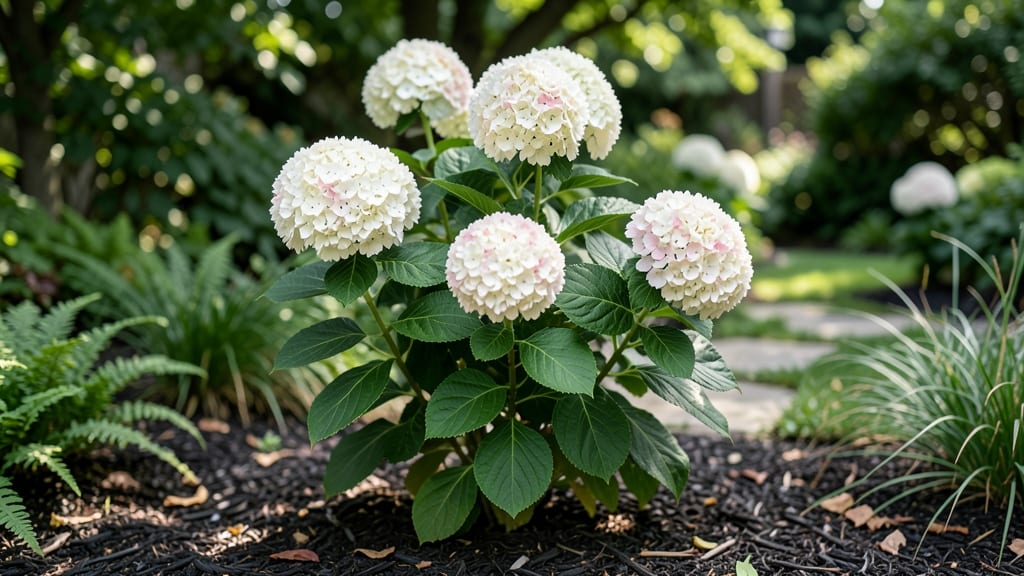
Your double bloom hydrangea could put on a second show this summer—if you prune at the right time. ✂️ I’ve watched these lush plants go from one glorious flush to two full seasons of blooms just by adjusting my pruning schedule, and it’s easier than you think.
The secret lies in timing: cut back in late winter or early spring for the first flush, then do a minimal trim after the first blooms fade to encourage that second wave. Most gardeners over-prune, which actually prevents reblooming.
A sharp pair of pruners and a clear timeline are all you need. By summer’s end, you’ll have hydrangea heads that last from June through October, with those signature double layers of blooms.
The foliage stays healthy, the stems stay strong, and your neighbors will be asking for your pruning secrets. Works for varieties like 'Endless Summer,' 'Vanille Fraise,' and 'Limelight.' Here’s exactly when and how to make those cuts for maximum impact.
📚 In This Guide
- What you need
- Instructions
- Tips and common mistakes
- Wrapping up and next steps
What you need
- ● Pruning shears – Bypass pruners (sharp, clean, and sterilized with rubbing alcohol to prevent disease). Avoid dull tools—they crush stems!
- ○ Gloves – Heavy-duty gardening gloves (optional but recommended for thorns and sap protection).
- ● Disinfectant – Rubbing alcohol (70%+) or bleach solution (1 part bleach to 9 parts water) for sterilizing tools.
- ○ Pruning sealant – Optional but helpful for large cuts (e.g., tree wound pruning paste to prevent rot).
- ● Garden twine or clips – For temporarily securing heavy branches post-prune (if needed).
- ● Loppers – For thicker stems (if your hydrangea has woody growth over ½ inch in diameter).
- ● Markers or flags – To label branches you’ve pruned (helpful for tracking progress).
- ● Compost bin – For disposing of pruned material (avoid leaving debris near the plant).
- ● Fertilizer – Balanced granular or slow-release fertilizer (e.g., 10-10-10) to apply after pruning for a nutrient boost.
- ● Know your hydrangea type – Confirm it’s a mophead or lacecap (double-blooming varieties like 'Endless Summer' or 'Vanille Fraise').
- ● Wait for the right time – Prune after the first flush of blooms fades (late spring/early summer) for the second flush.
- ● Check the weather – Aim for a dry, mild day (avoid pruning in extreme heat or cold).
Step-by-Step pruning plan for double bloom hydrangeas
Here's the exact timing and technique I use to coax those stunning second flushes from my hydrangeas every year.
✂️ Step 1: Prune After First Blooms Fade (Late Summer)
Wait until after your first flush of blooms has completely faded and turned brown—usually late August to early September. This is critical because you're cutting back stems that already bore flowers. I look for dry, papery flower heads and brown seed pods as my signal.
Use clean, sharp pruners and cut back each stem to just above the first set of five leaflets (about 4-6 inches from the base). This ensures you're leaving enough growth for the second flush. I always wear gloves—hydrangea leaves can be prickly, and the sap stains easily.
Don't worry about making perfect cuts. The goal here is to remove the old blooms while leaving plenty of new growth below. You'll see fresh green buds forming within a few weeks—these will become your second flush.
⏰ Step 2: Light Pruning in Early Spring (Before Bud Break)
In very early spring, before any buds swell (usually February to March), do a quick inspection. Remove any dead, damaged, or crossing stems at the base. This keeps air circulating and prevents disease.
For stems that didn't produce a second flush last year, cut them back to the ground. These are the old stems that won't bloom again. I like to shape the plant at this stage—just a little tidying up to encourage a fuller bush. Avoid heavy pruning now, though. You want to preserve as many potential blooming stems as possible.
Watch for tiny green buds forming along the stems. These are your future flowers. If you prune too late in spring, you risk removing next year's blooms.
☀️ Step 3: Summer Maintenance (Water and Feed for Second Flush)
After your pruning in late summer, water deeply once a week (more if your area has hot, dry spells). Double bloom hydrangeas need consistent moisture to produce that second flush. I check by sticking my finger 2 inches into the soil—if it feels dry, it's time to water.
Feed with a balanced, water-soluble fertilizer (10-10-10) every 4-6 weeks during the growing season. I mix it at half-strength to avoid burning the roots. The key is steady nutrition, not heavy doses. You'll see new growth spurt within a few weeks of feeding.
Keep an eye out for new flower buds forming on the current year's growth. These will be smaller than the first flush but just as beautiful. If you notice any yellowing leaves or wilting, it's usually a sign of underwatering or overfertilizing.
✂️ Step 4: Final Touch-Up After Second Flush (Fall)
Once your second flush of blooms has faded (usually October to November), do a final light pruning. Remove any dead or diseased stems and cut back any that look overgrown or leggy. This keeps the plant tidy and prepares it for winter.
I never cut back more than 1/3 of the plant in any one season. Double bloom hydrangeas produce flowers on both old and new wood, so aggressive pruning can reduce next year's blooms. Leave some of last year's stems—they might still have dormant buds that could bloom next spring.
Mulch around the base with 2-3 inches of organic mulch (like shredded bark) to protect the roots over winter. This helps insulate the plant and keeps moisture in the soil. I always water deeply before applying mulch to settle it around the roots.
Tips & tricks for perfect double bloom hydrangeas
Here's what nobody tells you about getting those second flushes—these are the secrets I've learned after years of trial and error.
Timing is Everything: The late August to early September window for Step 1 is non-negotiable. I've tried pruning too early, and the buds never formed properly. Wait until you see those dry, papery flower heads and brown seed pods—this is your exact cue. If you're in a cooler climate, you might need to wait until early September to avoid early frosts that could damage new growth.
The Five-Leaflet Rule: When cutting back in Step 1, always look for that first set of five leaflets—this is your visual guide. I've made the mistake of cutting too close to the base, and it took months for the plant to recover. Those 4-6 inches are critical for storing energy for next year's blooms. If you're unsure, count the leaflets on a few stems first to get the hang of it.
Spring Pruning Insight: In Step 2, when you're removing dead stems, pay attention to where those tiny green buds are forming. These are your future flowers, and you don't want to accidentally trim them off. I like to work on cloudy days when the buds are less visible—it's easier to see what I'm doing without the glare. If you're unsure about a stem, leave it alone rather than risk cutting too much.
Watering Wisdom: That once-a-week watering in Step 3 is a guideline, not a rule. During heatwaves, I water every other day, especially if the soil feels dry 2 inches down. I've learned the hard way that hydrangeas can't recover from drought stress. The key is consistency—never let the roots dry out completely. A soaker hose works wonders for deep, even watering without wetting the leaves.
Pro Tips for Double Bloom Hydrangea
- Here's what nobody tells you about getting those second flushes—these are the secrets I've learned after years of tri...
- Timing is Everything: The late August to early September window for Step 1 is non-negotiable. I've tried pruning too ...
- The Five-Leaflet Rule: When cutting back in Step 1, always look for that first set of five leaflets—this is your visu...
Frequently asked questions
Got questions about keeping your double bloom hydrangeas thriving? You’re not alone! Here are answers to the most common queries—from pruning puzzles to blooming secrets.
Why isn’t my double bloom hydrangea producing a second flush?
Double bloom hydrangeas need specific pruning timing—cut back right after the first flush (late spring to early summer) to encourage new growth. If you prune too late or too aggressively, the plant may not have enough energy for a second round. Also, check for overcrowding or nutrient deficiencies—they can stress the plant and delay blooms.
When is the best time to prune for a second flush?
The golden window is immediately after the first flowers fade (usually June or early July, depending on your climate). Avoid pruning in fall or winter—this removes next year’s blooms! For mophead or lacecap varieties, trim back 1/3 of the oldest stems to a strong set of leaves or buds.
Can I prune double bloom hydrangeas in fall?
Not if you want a second flush! Fall pruning removes next year’s flower buds, which are already forming. However, you can do light cleanup pruning in late fall or winter to remove dead or diseased stems. Save heavy pruning for spring or early summer to maximize blooms.
What if my hydrangea only blooms once?
Some double bloom varieties (like Endless Summer or Vanille Fraise) are more reliable, but others may struggle due to pruning mistakes, poor sunlight, or lack of water. Try fertilizing in early spring with a balanced, acid-loving plant food and ensure they get at least 4–6 hours of sun.
Do double bloom hydrangeas need extra care after pruning?
Yes! After pruning, water deeply to help roots recover, and mulch around the base to retain moisture. They’re also heavy feeders—apply a slow-release fertilizer in spring and again after the first flush. Deadhead spent blooms (but leave some for seed heads if you love winter interest!).
Wrapping up and next steps
Double bloom hydrangeas are a gardener’s dream—double the color, double the joy! 🌸 With the right pruning timing and technique, you can unlock that second flush of blooms, turning your garden into a year-round spectacle. Remember: patience and consistency are key, whether you’re pruning in late winter or mid-summer.
Now that you’re armed with the knowledge, it’s time to roll up your sleeves and give your hydrangeas the care they deserve. Grab your pruners, check your local frost dates, and start planning your pruning schedule. Your garden—and future blooms—will thank you!