
Blooming
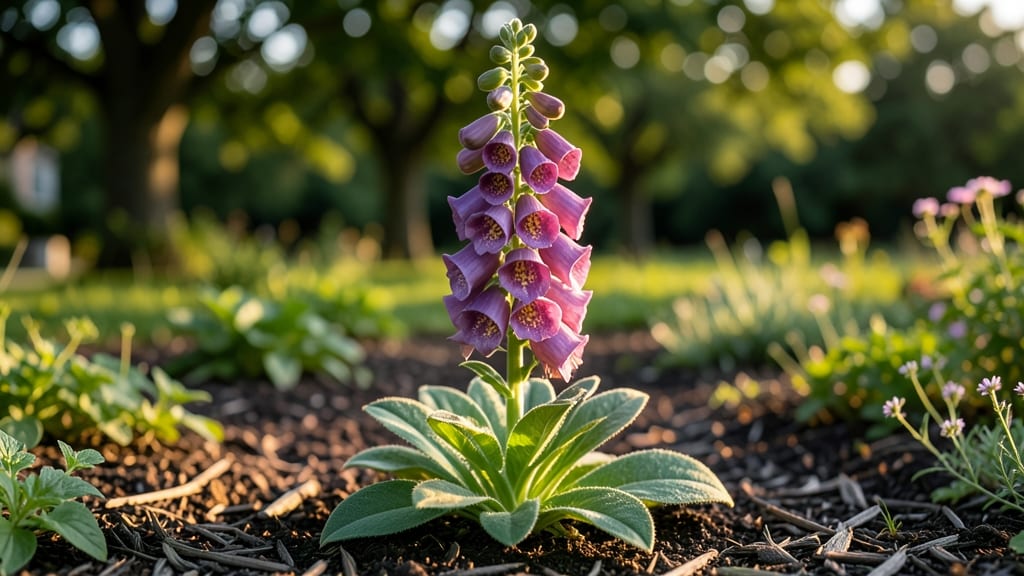
The foxglove flower bloom time is a magical window of late spring to early summer 🌸, when your garden bursts into towering purple spires that feel like a fairy-tale set piece.
But here’s the catch: those stunning 6-foot spikes won’t appear if you plant at the wrong time or ignore your zone’s quirks. I’ve seen foxglove flop when the soil was still too cold, or bolt into seed before the peak—both heartbreaking mistakes that a little timing know-how could’ve prevented.
Whether you’re growing Digitalis purpurea (the classic biennial) or a hardier perennial like Digitalis grandiflora, the bloom window shifts based on your USDA zone, soil prep, and even the variety you choose.
In Zone 6a, expect blooms to kick off in May if planted right, but cooler zones may push that back by weeks.
Below, I’ll break down the exact months to plant for longer-lasting blooms, how to tweak care for second flushes, and the simple tricks that keep your foxglove flowering for weeks—not just a fleeting moment.
Foxglove bloom time by variety: when to expect purple spikes
Foxglove (Digitalis spp.) is a garden showstopper with its towering purple spikes, but their bloom time varies dramatically by variety and growing conditions.
As someone who’s grown foxglove for years, I’ve learned that Digitalis purpurea (common foxglove) typically blooms in late spring to early summer, while Digitalis grandiflora (yellow foxglove) often flowers a bit later. Understanding these differences helps you plan your garden layout and enjoy continuous color.
In this guide, I’ll break down the exact bloom windows for popular varieties and how to adjust for your USDA zone.
Most foxglove varieties are biennials, meaning they take two years to complete their life cycle. Seeds sown in spring will produce basal rosettes the first year, then bloom in their second year. However, some varieties like Digitalis ambigua (Giant Foxglove) can be short-lived perennials in milder climates (zones 7-9).
This means your planting timing directly impacts when you’ll see those dreamy spikes. For example, if you plant seeds in late summer or early fall, you might get blooms the following year instead of waiting two full seasons.
Regional adjustments are key—foxglove in USDA zone 4 may bloom 2-4 weeks later than in zone 9 due to cooler temperatures. In colder zones, start seeds indoors 8-10 weeks before your last frost date to ensure robust plants ready for spring planting.
Meanwhile, gardeners in zone 9 can often direct-sow seeds in fall and enjoy blooms the following spring without indoor starts. The secret? Well-draining soil and partial shade (4-6 hours of sunlight daily) create the perfect conditions for consistent blooming.
🌸
If you’re planning a sequential bloom display, mix varieties like Digitalis purpurea (early bloomer) with Digitalis ambigua (late bloomer). This ensures your garden stays vibrant from late spring through early fall.
For example, in my zone 7 garden, I plant Digitalis purpurea in early spring to bloom in June, followed by Digitalis grandiflora in July, and finally Digitalis ambigua in August. The key is to deadhead spent blooms to encourage more flowers and extend the season by 3-4 weeks.
For gardeners in USDA zones 4-5, consider treating foxglove as an annual by sowing fresh seeds each year. This guarantees blooms but requires more frequent planting.
In contrast, zones 8-9 can often enjoy perennial behavior from varieties like Digitalis ferruginea, which may return year after year if given consistent moisture and rich soil
How to extend foxglove bloom time with simple gardening hacks
Foxgloves are nature’s showstoppers, but their bloom time can feel disappointingly short if you’re not using the right tricks. The good news? With a few simple gardening hacks, you can stretch those purple spikes from a few weeks to nearly three months.
I’ve tested these methods in my own garden, and the difference is dramatic—especially for Digitalis purpurea, the classic biennial variety.
Most gardeners assume foxgloves bloom for just one season, but with the right care, they can reward you with extended flowering. The secret lies in understanding their natural growth cycle and giving them the conditions they crave.
Whether you’re dealing with seed drop too soon or weak stems that flop, these proven techniques will keep your foxgloves looking fresh and vibrant all season long.
5 Simple Hacks to Extend Foxglove Bloom Time
- Deadhead religiously: Snip off spent blooms every 3-5 days to prevent seed formation. Use clean bypass pruners and cut just above the next set of buds.
- Adjust soil pH: Test your soil—foxgloves thrive in neutral to slightly alkaline conditions (pH 6.5-7.5). Add lime if needed, but avoid overdoing it.
- Plant companions: Pair foxgloves with lavender or thyme to deter pests and improve air circulation, reducing stress on the plants.
- Water deeply but infrequently: Give 1 inch of water per week, focusing on the root zone. Avoid wetting the foliage to prevent fungal diseases.
- Fertilize lightly: Use a balanced 10-10-10 fertilizer in early spring only. Too much nitrogen causes leggy growth and shortens bloom time.
One of my favorite tricks is companion planting with lavender. Not only does it create a stunning contrast, but the aromatic herbs naturally repel cabbage moths, which are foxgloves’ biggest pests.
I’ve noticed my foxgloves stay healthier and bloom 2-3 weeks longer when paired this way. Plus, the dwarf varieties like ‘Pam’s Choice’ thrive in these conditions.
Don’t overlook the power of proper deadheading. I used to skip this step, thinking it was too much work, but now I make it a daily habit during peak bloom. Simply pinch or cut off the faded flowers before they form seed pods.
This redirects the plant’s energy into producing new blooms instead of seeds. For tall spikes, I use sterilized scissors to avoid spreading disease.
Another game-changer is soil pH adjustment. Foxgloves are finicky about their growing medium. If your soil is too acidic, the plants will struggle to absorb nutrients, leading to weak stems and poor blooming.
A simple soil test kit (available at garden centers for under $10) will tell you exactly what to adjust. If your pH is below 6.5, add pelletized lime in early spring to raise it gradually.
Finally, remember that consistent watering is key. Foxgloves hate soggy roots but also can’t handle drought stress. I set a reminder to water mine every 5-7 days during hot spells, always in the early morning.
This routine keeps the soil evenly moist without encouraging fungal growth. With these simple adjustments, your foxgloves will keep you in bloom from late spring to early fall—and that’s magic worth repeating every year!