
Blooming
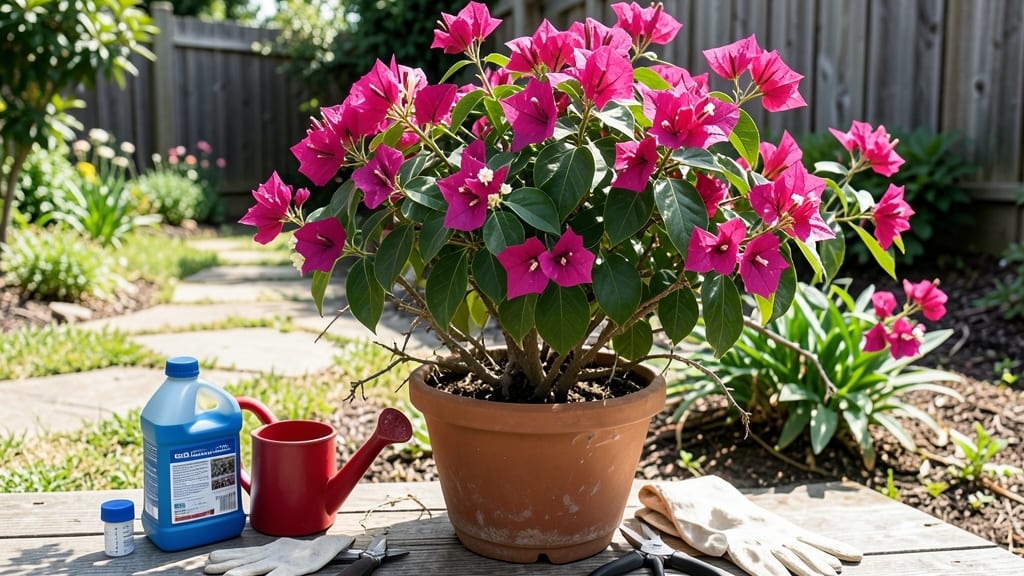
Your bougainvillea’s purple spikes could be year-round showstoppers—if you give it the right mix of sun, pruning, and care. 🌿 I’ve turned my own potted bougainvillea from a sparse, leggy mess into a blooming powerhouse by mastering these three key moves: aggressive pruning, high-light placement, and the right fertilizer timing.
The biggest mistake? Treating it like a regular houseplant. Bougainvillea in pots demands 6+ hours of direct sun daily—even in winter—and thrives when you prune back one-third of its growth twice a year.
The blooms aren’t on the main stems; they’re those papery bracts hiding along the new wood, so pruning encourages more of them. By summer’s end, you’ll have a pot bursting with vibrant blooms that last weeks longer than store-bought flowers.
The secret’s in the balance: feed it lightly in spring, cut back the old growth, and never let it dry out completely—but don’t overwater either. Works for balconies, patios, or even sunny windowsills. Here’s how to keep those spikes coming all season long.
📚 In This Guide
- What you need
- Instructions
- Tips and common mistakes
- Wrapping up and next steps
What you need
- ● Bougainvillea plant: Choose a healthy, sun-loving variety (e.g., Bougainvillea spectabilis or Bougainvillea glabra). Ensure it’s potted in a container with drainage holes (minimum 12-inch diameter for mature plants).
- ● Well-draining potting mix: 50% cactus/succulent mix (for aeration)
- ● 30% perlite or coarse sand (to prevent compaction)
- ● 20% compost or worm castings (for nutrients)
- ● Fertilizer: Phosphorus-rich fertilizer (e.g., 10-30-10 or 5-10-5) for blooms—use every 4–6 weeks during growing season (spring–fall).
- ○ Optional: Slow-release granules (like Osmocote) for convenience.
- ● Pruning tools: Clean, sharp bypass pruners (for trimming dead/bloomed stems)
- ● Sterilizing solution (e.g., rubbing alcohol or bleach) to prevent disease.
- ● Watering can or hose with a gentle nozzle: Bougainvillea hates soggy roots—prioritize infrequent, deep watering.
- ○ Support (optional): A small trellis or stake if your variety grows sprawling (e.g., Bougainvillea peruviana).
- ● Sunlight: Full sun (6+ hours daily)—no compromises! Partial shade = fewer blooms. 🚫
- ● Climate awareness: Bougainvillea thrives in USDA Zones 9–11. In cooler zones, grow it as an annual or overwinter indoors near a sunny window.
- ● Patience: New plants may take 2–4 weeks to adjust before blooming. Consistency is key!
Step-by-Step instructions for encouraging bougainvillea blooms in containers
Here's how I coax vibrant blooms from potted bougainvilleas—even in less-than-ideal conditions.
☀️ Step 1: Position for Maximum Sunlight Exposure
Bougainvilleas demand 6-8 hours of direct sunlight daily to trigger blooming. Place your pot in the sunniest spot available—south or west-facing windowsills or patios work best. If you're using a balcony, avoid north-facing exposures entirely; bougainvilleas will grow leaves but rarely bloom in low light.
I rotate my pots quarter-turn weekly to prevent lopsided growth toward the light. You'll notice new growth leaning toward the sun—this is normal, but consistent rotation keeps the plant balanced. In cooler climates, move pots indoors near a south-facing window during winter months when daylight shortens.
💧 Step 2: Master the Watering Balance
Overwatering is the #1 killer of blooms—bougainvilleas thrive on drought-like conditions. Water only when the top 2-3 inches of soil feel completely dry to the touch. Stick your finger in the soil; if it's damp past your first knuckle, wait another day. This plant stores water in its thick stems, so it's far more resilient to dry spells than to soggy roots.
I use a 1-gallon watering can with a narrow spout to direct water to the soil surface, avoiding the leaves. Water deeply until it runs out the drainage holes, then let the pot sit in a saucer for 10 minutes to catch excess. Empty the saucer immediately—bougainvilleas hate "wet feet."
✂️ Step 3: Prune Strategically for Flower Production
Pruning isn't just about shaping—it's about directing energy toward blooms. After the last frost or in early spring, cut back one-third of the plant's growth using clean, sharp pruners. Focus on removing leggy stems and any wood that's thinner than a pencil; these won't produce many flowers. Make cuts just above a leaf node where new growth can emerge.
Here's the thing—bougainvilleas bloom on new growth, so never prune after mid-summer in warm climates. You'll sacrifice fall blooms. I also pinch back the tips of new growth occasionally to encourage bushier, more compact plants. Watch for small leaf clusters forming at the tips—these will develop into your vibrant bracts (the colorful parts we call "flowers").
🌿 Step 4: Feed with Precision for Blooming
Bougainvilleas respond best to low-nitrogen, high-phosphorus fertilizer during their blooming season. I use a 7-9-5 or 5-10-5 formula applied every 4-6 weeks from spring through fall. The high phosphorus (middle number) promotes flowering, while keeping nitrogen (first number) low prevents leafy growth at the expense of blooms.
Always water the plant thoroughly before applying fertilizer to prevent root burn. I mix the fertilizer with water in a spray bottle for even distribution, avoiding the leaves. Stop fertilizing completely in late fall and winter—bougainvilleas go semi-dormant in cooler months and don't need feeding. This rest period actually helps them produce more vibrant blooms the following season.
⏰ Step 5: Manage Temperature for Continuous Blooms
Bougainvilleas love heat and will reward you with near-continuous blooms when daytime temperatures stay above 70°F. In cooler climates, bring pots indoors before nighttime temperatures drop below 50°F—even brief cold snaps can damage the plant. I keep mine near a heat vent in winter, where they remain dormant but alive.
Here's a pro tip: bougainvilleas bloom best when they experience some temperature fluctuation. In summer, move pots outside during the day and bring them in at night if your evenings get chilly. You'll see a dramatic increase in blooming within weeks. Just avoid sudden temperature swings—bougainvilleas hate being moved from hot sun to cold shade abruptly.
Tips & tricks for perfect bougainvillea blooms in containers
These sun-smart secrets will help you transform your potted bougainvilleas into a nonstop floral spectacle.
Light Exposure Mastery: The 6-8 hours of direct sunlight is non-negotiable for blooming, but here's what I've learned: if you're in a high-rise with limited balcony space, consider using reflective surfaces like white walls or mirrors to bounce extra light onto your pots. I've seen bougainvilleas double their bloom production when positioned near a south-facing wall with reflective mulch—it's like giving them a sunlight boost without moving them.
Pruning Precision: When you're cutting back that one-third of growth in Step 3, focus on stems that are thicker than a pencil—they'll produce the most vibrant blooms. I make my cuts just above a leaf node where you can see a tiny bump forming. This is where new growth will emerge, and those are the stems that'll give you those showstopping purple bracts. Pro tip: Sterilize your pruners with rubbing alcohol between cuts to prevent spreading disease.
Fertilizer Timing: The 4-6 week feeding schedule is perfect, but here's the thing about bougainvilleas: they respond dramatically to a little extra phosphorus when they start showing signs of new growth. I'll often give an extra boost with a 0-10-10 fertilizer right as I see those first tiny leaf clusters forming at the tips. This targeted approach gives you more blooms without encouraging excessive leafy growth that can shadow your flowers.
Temperature Transition Strategy: Moving your pots between indoor and outdoor spaces? Do it gradually. I start by placing them in a sheltered spot outdoors for a few hours each day, then slowly increase their exposure. This acclimation period prevents shock that can cause buds to drop. In cooler climates, I keep them near a sunny window during the day and move them to a warmer spot at night—this temperature fluctuation actually triggers more blooming. Just avoid drafts from air conditioning vents or heaters, which can stress the plant.
Pro Tips for Make Bougainvillea Bloom In Pots
- These sun-smart secrets will help you transform your potted bougainvilleas into a nonstop floral spectacle.
- I've seen bougainvilleas double their bloom production when positioned near a south-facing wall with reflective mulch—it's like giving them a sunlight boost without moving them.
- Pruning Precision: When you're cutting back that one-third of growth in Step 3, focus on stems that are thicker than a pencil—they'll produce the most vibrant blooms.
Frequently asked questions
Got questions about keeping your potted bougainvillea in full bloom? We’ve got answers!
Why isn’t my bougainvillea blooming even though I’m following all the care tips?
Bougainvillea blooms are sensitive to stress—too much water, shade, or lack of sunlight can stall flowers. Check your plant’s roots: If they’re soggy or the pot feels too heavy, it’s overwatered. Move it to a sunny spot (6+ hours of direct light daily) and let the topsoil dry out between waterings. Prune leggy stems to encourage new growth!
How long does it take for bougainvillea to bloom after repotting or pruning?
Patience is key! After repotting or pruning, bougainvillea typically needs 4–8 weeks to recover and produce buds. During this time, keep it in bright light and avoid heavy fertilizing. If you pruned in late winter/early spring, expect vibrant blooms by summer.
Can I keep bougainvillea blooming indoors year-round?
Indoor blooming is possible but tricky! Bougainvillea craves intense sunlight—place it near a south-facing window or use a grow light (12+ hours/day). In winter, reduce watering and fertilizing. If buds drop, it’s likely too cold (below 50°F)—move it to a warmer spot or use a heat mat.
What’s the best fertilizer for potted bougainvillea blooms?
Use a balanced, water-soluble fertilizer (10-10-10 or 20-20-20) diluted to half-strength every 4–6 weeks in spring/summer. For extra blooms, switch to a phosphorus-heavy formula (like 5-10-5) when buds form. Avoid over-fertilizing—it can burn roots and reduce flowers!
Can I grow bougainvillea in small pots, or do I need a large container?
Bougainvillea thrives in well-draining pots with drainage holes, but size matters! For dwarf varieties, a 10–12” pot works; standard types need 14–18”+ to prevent root-bound stress. Repot every 2–3 years or when roots circle the pot. Use a cactus/succulent mix for optimal drainage.
Wrapping up and next steps
With the right care, your potted bougainvillea can burst into stunning blooms year-round! 🌸 Remember, these sun-lovers thrive on bright light, balanced pruning, and proper feeding—plus, don’t forget to deadhead spent blooms.
Now that you’re armed with these tips, it’s time to roll up your sleeves and give your plant the love it craves.
Ready to see those vibrant purple spikes? Start by picking a sunny spot, repotting if needed, and apply what you’ve learned! Watch your bougainvillea transform into a showstopper—your garden (and neighbors!) will thank you. 🌿✨