
Blooming
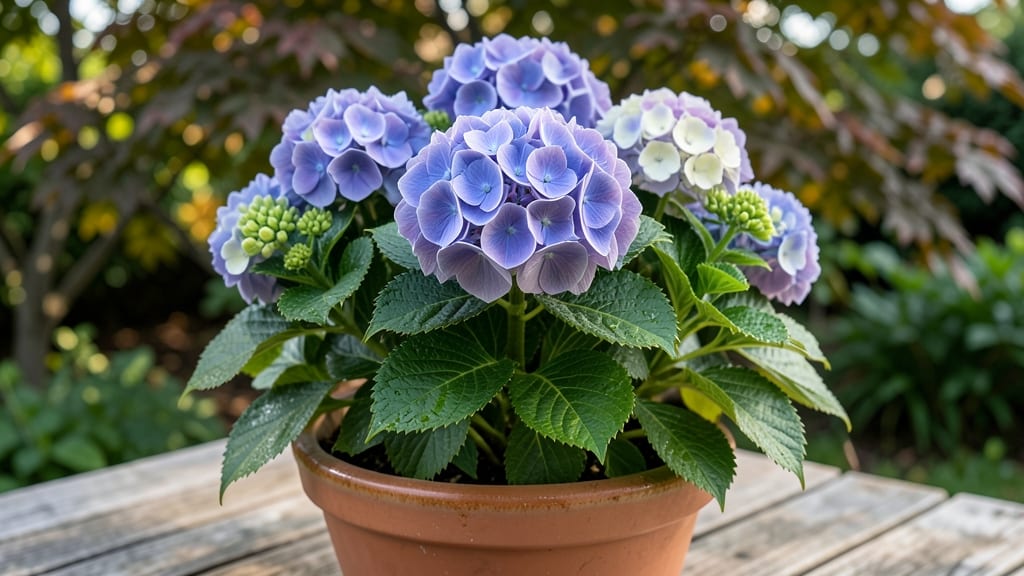
Hydrangeas bloom in late spring through summer 🌸, but the exact months depend on your variety and zone—miss the timing, and you might end up with bare branches where flowers should be.
If you’ve ever stared at your hydrangea bushes in June wondering where the blooms are, you’re not alone. Some varieties like Bigleaf and Mophead burst into color in June or July, while Oakleaf hydrangeas often wait until late summer, and Panicle types can even bloom in fall.
Knowing your zone and plant type is the key to planning ahead.
In Zone 6a, where many gardeners live, most hydrangeas start forming buds in early spring, but heat and sunlight needs shift dramatically between early bloomers (like Hydrangea paniculata) and late-season stars (like Hydrangea quercifolia).
The right care—like pruning at the right time and adjusting soil pH—can push your bloom season by weeks.
Below, I break down the exact months for popular varieties, how to extend their bloom time, and why your hydrangeas might be playing hide-and-seek with flowers this year. Let’s get those show-stopping blooms back on schedule!
Hydrangea bloom time by variety: month-by-month breakdown
Hydrangeas are one of the most beloved shrubs for their show-stopping blooms, but their bloom timing varies wildly depending on the variety and your hardiness zone.
Some burst into color in early summer, while others shine in late fall—knowing the exact months helps you plan your garden's seasonal highlights. Let's break down when to expect blooms from the four most popular types: Bigleaf, Panicle, Oakleaf, and Smooth hydrangeas.
Your USDA zone plays a huge role in bloom timing. For example, Zone 5 gardeners might see blooms 4-6 weeks later than those in Zone 8. I'll include general timelines, but always adjust based on your local last frost date.
Pro tip: Reblooming varieties (like 'Endless Summer') can produce two flushes of flowers—once in spring and again in summer!
Let's start with Bigleaf hydrangeas, the most popular type for their bold, mophead blooms. Traditional varieties like 'Nikko Blue' bloom in late May to July and produce flowers on old wood (last year's growth).
This means if you prune in late winter, you'll miss that year's blooms! Reblooming types like 'Endless Summer' give you a second show in July to September—perfect for extending your garden's color palette.
For Panicle hydrangeas, think of them as the late-season stars of the garden. Varieties like 'Limelight' and 'Little Lime' bloom from July through September and produce flowers on new wood, so they're more forgiving with pruning.
Their cone-shaped blooms also make excellent dried flowers. In Zone 5, expect blooms to start around mid-July, while in Zone 9, they may begin as early as June.
Oakleaf hydrangeas are my personal favorites for their stunning fall foliage, but their blooms are a bonus too. They flower from late June to August, with some reblooming varieties offering a second flush. Their cone-shaped flowers start white and fade to pink, creating a beautiful seasonal progression. In cooler climates, their blooms often last longer into early fall.
Finally, Smooth hydrangeas like 'Annabelle' are the dramatic showstoppers with their large, round blooms. They typically bloom from June to August and prefer full sun (unlike most hydrangeas). In hot climates, they may bloom earlier, while in cooler zones, their season extends into early September.
Their white blooms turn rust-colored in fall, adding seasonal interest.
Here's a quick zone-specific adjustment tip: In Zone 4 or colder, expect all hydrangeas to bloom 4-6 weeks later than the general timeline. For example, if the table says June blooms, plan for late July in your area.
Conversely, in Zone 8 and warmer, blooms often arrive 2-3 weeks early. Always monitor your plant's bud formation in spring for the most accurate timing.
To maximize your hydrangea's bloom time, consider these care adjustments by variety. For Bigleaf types, avoid pruning until after blooming to preserve next year's flowers. Panicle hydrangeas can be pruned in late winter since they bloom on new wood. For all types, consistent moisture is key—hydrangeas hate drought stress
How to extend hydrangea bloom time with pruning & care
Want your hydrangeas to bloom longer and brighter? The secret lies in timing and proper care. Many gardeners accidentally cut back blooms too early or miss key seasonal tasks, shortening their display.
I’ve learned that pruning strategies and soil adjustments can extend those stunning clusters by 4-6 weeks—sometimes even longer!
First, let’s address the biggest myth: not all hydrangeas should be pruned the same way. Bigleaf hydrangeas (like 'Endless Summer') need gentle pruning, while panicle types (like 'Limelight') thrive with hard pruning.
Oakleaf varieties? They’re more forgiving but still need attention. Skipping these details can mean missed blooms entirely.
🌿 5 Proven Techniques to Extend Bloom Time
- 1. Prune at the right time: Wait until late winter (after last frost) for Bigleaf types. Panicle hydrangeas get their best blooms when pruned in early spring.
- 2. Deadhead strategically: Remove spent blooms in late summer (after flowering) to encourage reblooming for varieties like 'Nikko Blue'.
- 3. Adjust soil pH: Add lime for blue flowers (pH 5.2-5.5) or sulfur for pink blooms (pH 6.0+). Test soil every 2-3 years.
- 4. Mulch heavily: Apply 3-4 inches of mulch in early spring to retain moisture and protect roots from temperature swings.
- 5. Fertilize in stages: Use a balanced fertilizer (10-10-10) in early spring and mid-summer—never in fall or winter.
I once had a 'Endless Summer' hydrangea that bloomed for 10 weeks straight after adjusting its pH and pruning just the old wood. The difference was night and day! Start with soil testing—most nurseries offer this service for free.
For reblooming varieties, never prune after mid-July. New growth won’t have time to harden off before winter, and you’ll lose next year’s blooms. Instead, focus on watering deeply (1-2 inches per week) and protecting from late frosts.
Pro tip: If your hydrangeas struggle in hot climates, provide afternoon shade—this prevents leaf scorch and helps blooms last longer. I use lightweight shade cloth on my 'Limelight' variety during peak summer heat.
With these techniques, you’ll transform your hydrangeas from one-season wonders to long-lasting showstoppers that keep your garden vibrant well into fall. 🌸