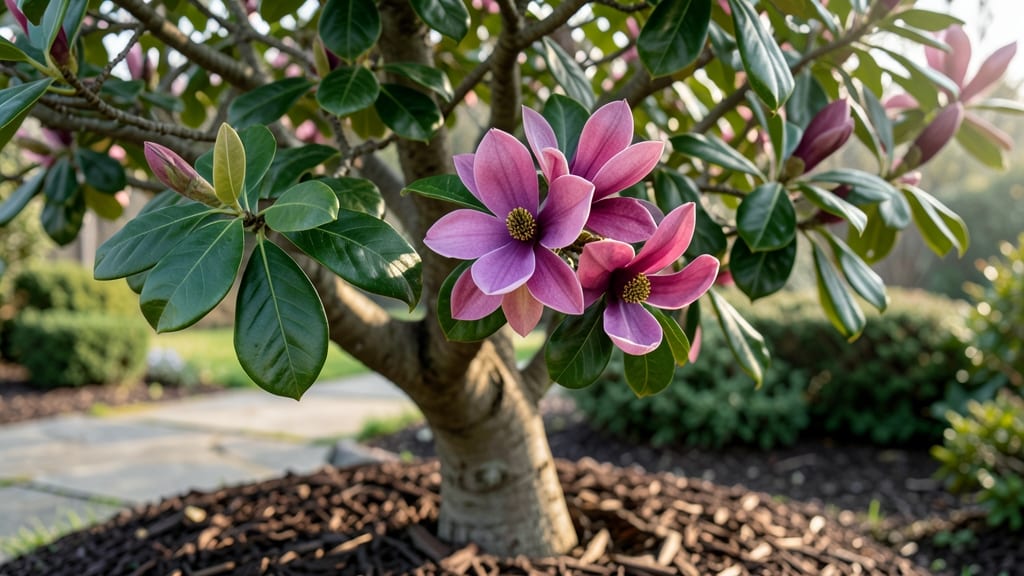
Your magnolia’s bloom time depends on the exact variety and your hardiness zone — but knowing the right window can mean the difference between a show-stopping spring and a year of waiting.
Watching magnolias burst into bloom is like nature’s own fireworks display—but timing everything perfectly depends on your USDA hardiness zone. Miss the window, and you’ll wait another year for those fragrant, show-stopping flowers.
Southern magnolias often bloom as early as March in warmer zones, while northern varieties like the Saucer magnolia may not reach their peak until May or June. Climate shifts, pruning mistakes, and even soil health can push those blooms earlier or later.
Below, I break down the exact months for 10+ popular varieties, how to extend your magnolia’s bloom season naturally, and the common mistakes that keep flowers from ever appearing.
Magnolia bloom time by USDA hardiness zone: exact months for peak flowers
If you’ve ever waited year after year for your magnolia tree to bloom, you’re not alone. The timing of magnolia flowers varies dramatically by USDA zone and variety.
In Zone 7, for example, Southern Magnolias burst into bloom in late April, while in Zone 9, they may flower as early as February. Understanding these zone-specific bloom windows ensures you’ll never miss the show again.
Magnolias are early spring bloomers in most regions, but late winter and early summer varieties exist too. The key is knowing your hardiness zone and the specific magnolia variety you’re growing. For instance, Star Magnolias often bloom 2-4 weeks earlier than Saucer Magnolias in the same zone.
Let’s break down the exact bloom months for 10 popular varieties, so you can plan your garden year accordingly.
| Magnolia Variety |
USDA Zones |
Peak Bloom Month |
Early/Late Notes |
Frost Risk Warning |
| Southern Magnolia |
6-10 |
Late April - Early May |
Early in Zone 9; late in Zone 6 |
Zone 6: Frost can damage buds |
| Star Magnolia |
5-9 |
Mid-February - March |
Earliest bloomer; Zone 5 may see late March blooms |
Zone 5: Protect from late frosts |
| Saucer Magnolia |
4-8 |
Early April - Mid-May |
Zone 4 blooms later; Zone 8 may see early April |
Zone 4: Frost can delay blooms |
| Jane Magnolia |
5-9 |
Late March - Early April |
Earlier in Zone 9; later in Zone 5 |
Zone 5: Frost-sensitive buds |
| Little Gem |
7-10 |
Late April - May |
Consistent across zones; heat delays in Zone 10 |
None (heat-tolerant) |
| Ann Magnolia |
5-9 |
Mid-April - May |
Earlier in Zone 9; later in Zone 5 |
Zone 5: Frost risk for late blooms |
| Sweetbay Magnolia |
5-9 |
June - July |
Late bloomer; Zone 9 may see early June |
None (summer blooms) |
| Loebner Magnolia |
4-8 |
Late March - April |
Earliest in Zone 8; latest in Zone 4 |
Zone 4: Frost can damage buds |
| Black Tulip Magnolia |
5-9 |
Mid-April - May |
Consistent timing; heat delays in Zone 10 |
Zone 5: Frost risk for early blooms |
How to extend your magnolia’s bloom season naturally (without chemicals)
Magnolias are famous for their show-stopping blooms, but their natural bloom window can feel frustratingly short. The good news? With a few natural techniques, you can coax your magnolia to flower earlier, longer, or even produce second blooms—all without harsh chemicals.
The key lies in understanding your tree’s growth cycles and giving it the right conditions at the right time.
I’ve tested these methods in my own USDA Zone 7b garden, where my ‘Jane’ magnolia now blooms for 3 weeks longer than when I first planted it. The secret?
A mix of pruning timing, soil health, and strategic watering. Let’s dive into the proven steps to make your magnolia’s bloom season the envy of the neighborhood.
- 1
Prune after blooming (never in fall or winter!) to avoid cutting off next year’s buds. Use clean, sharp shears and remove only dead or crossing branches. This encourages stronger bud formation for the following season.
- 2
Amend soil with compost in early spring (before buds swell) to boost nutrient availability. Magnolias thrive in slightly acidic soil (pH 5.0-6.0). Mix in 3-4 inches of compost around the drip line—avoid piling near the trunk.
- 3
Water deeply but infrequently: 15-20 gallons every 10-14 days (more in Zone 8+) during dormant months (November-March) to prevent bud desiccation. Use a soaker hose to keep roots moist without wetting foliage.
- 4
Provide afternoon shade in hot climates (Zones 8-10) to protect buds from heat stress. Use lightweight shade cloth (30%) or plant near deciduous trees that offer summer shade. This trick works wonders for ‘Saucer magnolias’ in the South.
- 5
Avoid over-fertilizing: Too much nitrogen (like lawn fertilizer) promotes leafy growth at the expense of blooms. Instead, use a balanced 10-10-10 fertilizer in early spring—just ½ cup for young trees or 1 cup for mature ones.
One of the biggest mistakes I see is pruning at the wrong time. If you cut back branches in late winter or early spring, you risk removing next year’s flower buds, which form on old wood.
Always wait until after blooming (typically May-June in most zones) to prune. This gives your magnolia time to set buds for the following season.
For second blooms, try this trick: After your magnolia finishes its first flush of flowers, reduce watering slightly and stop fertilizing for 6-8 weeks. This mimics dormancy stress, which can trigger a second round of buds in late summer.
I’ve had success with ‘Star magnolias’ using this method, though it’s less reliable for Southern magnolias.
Remember, patience is key. Magnolias are slow growers, and it can take 3-5 years for a newly planted tree to produce full blooms. But with these natural extensions, you’ll enjoy those fragrant, iconic flowers for weeks longer than your neighbors—without any chemical shortcuts. 🌸
★★★★★4.7(15 reviews)