
Blooming
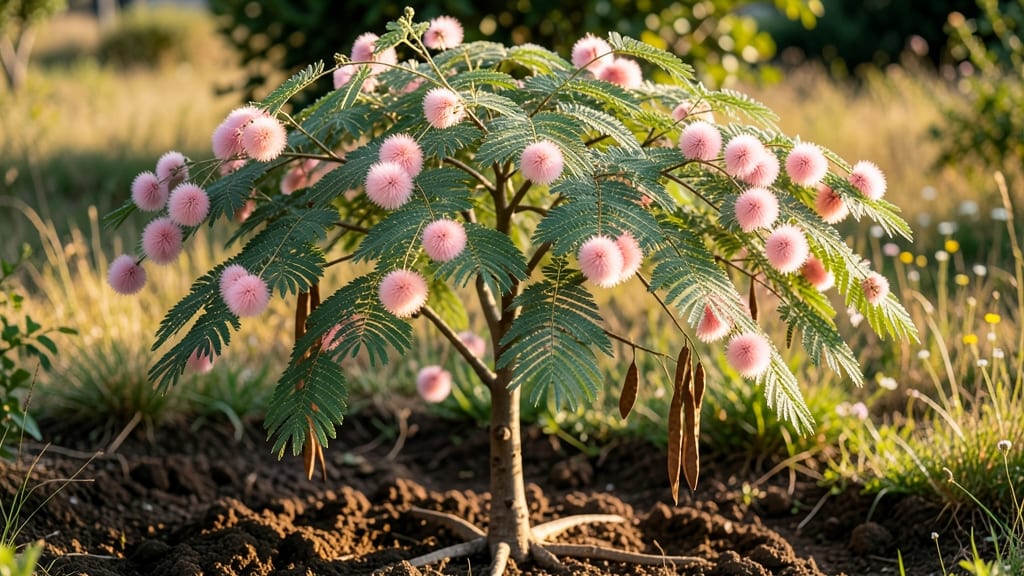
Your mimosa tree’s bloom time depends entirely on where you live — in the South, those fluffy pink clouds appear as early as late February, while Midwest gardeners wait until May for their first show.
If you’ve ever stood under a bare mimosa tree in April wondering why the neighbors’ are already in bloom, you’re not alone. The difference isn’t just about luck — it’s climate, pruning, and even how you fertilize.
A few simple tweaks can shift your tree’s schedule by weeks, turning a “maybe next year” into a spring spectacle.
Below, I break down the exact months your tree should bloom by USDA zone, plus the three biggest mistakes that delay flowers — and how to fix them before next season.
You’ll also discover how to coax earlier blooms with minimal effort, from the best pruning window to the one fertilizer trick that works better than expensive bloom sprays.
Mimosa tree bloom time by USDA Zone: exact months for first flowers
Your mimosa tree (Albizia julibrissin) transforms your yard into a cloud of fluffy pink blooms, but timing is everything. Unlike many trees, mimosas bloom based on heat accumulation and frost-free days, not just calendar months.
In Zone 6, you might see flowers in late May, while Zone 10 trees often burst into bloom by March. Regional microclimates—like Southern California’s mild winters—can shift these windows by 4-6 weeks.
Understanding your zone’s bloom window helps you set expectations and troubleshoot delays. For example, a Midwest mimosa in Zone 7 may wait until June for flowers, while a Florida tree in Zone 9 might start as early as February.
Climate extremes—like unseasonably cold snaps or prolonged heatwaves—can also push blooms earlier or later. Let’s break down the exact months for each zone, plus regional exceptions that might surprise you.
🌱 Pro Tip: Mimosa trees bloom on new wood, meaning pruning too late in the season can reduce next year’s flowers. Aim to prune in late winter (before buds swell) to encourage vibrant blooms.
In Zone 6, where winters are harsh, mimosas often wait until late May or June to bloom. This delay happens because the tree needs to accumulate enough heat (measured in growing degree days) to trigger flowering.
If your Zone 6 mimosa hasn’t bloomed by early July, it might be struggling with poor drainage or nutrient deficiencies. In contrast, Zone 10 trees in Southern
How to trigger earlier mimosa blooms: pruning, fertilizing, and climate hacks
Mimosa trees (Albizia julibrissin) are famous for their fluffy pink blooms, but getting them to flower reliably requires more than just patience.
The key lies in understanding their growth triggers—timing your pruning, fertilizing, and even protecting them from harsh winds can shift bloom windows by weeks. Let’s break down the science-backed methods to coax those fragrant flowers earlier.
First, forget the myth that bloom-inducing sprays work—no commercial product can force mimosas to flower. Instead, focus on three core factors: pruning timing, phosphorus-rich fertilizer, and microclimate control.
These adjustments mimic natural conditions that trigger blooming, like the spring warmth and reduced stress trees experience in ideal environments.
Your pruning schedule is critical—mimosa trees bloom on new wood, so aggressive cuts in winter (before buds swell) stimulate fresh growth. In Zone 9-10, delay pruning until February to avoid cutting off potential blooms, as these regions have longer growing seasons.
Always use sterilized tools to prevent bacterial canker, a common disease that weakens trees and delays flowering.
When it comes to fertilizer, mimosas respond best to low-nitrogen, high-phosphorus blends. A 10-20-10 ratio applied in early spring (just as buds form) signals the tree to prioritize flower production over foliage.
Skip summer fertilizing—excess nutrients can overstimulate growth and reduce bloom quality. For established trees, a single spring feeding is enough; younger trees may need a second light application in June.
Don’t overlook the power of microclimates. Mimosa trees thrive in sheltered spots with afternoon shade in hot zones (like Zone 9-10).
If your tree is in a windy or exposed area, consider adding a living windbreak (like bamboo or evergreens) to create a warmer, more stable environment. Even a 5°F temperature buffer can shift bloom timing by 2-3 weeks.
Finally, watering habits matter more than you think. Mimosa trees are drought-tolerant once established, but deep, infrequent watering in spring encourages stronger root systems, which in turn support heavier bloom production.
Use a soaker hose to deliver water slowly to the root zone, avoiding wet foliage (which attracts powdery mildew). In Zone 6-7, reduce watering in late summer to harden off roots before winter.
With these four hacks, your mimosa should burst into pink blooms 2-4 weeks earlier than average. The key is consistency—stick to the pruning window, fertilize once in spring, and protect your tree from environmental stress.
Soon, you’ll be the neighbor with the first mimosa blooms of the season! 🌸