
Blooming
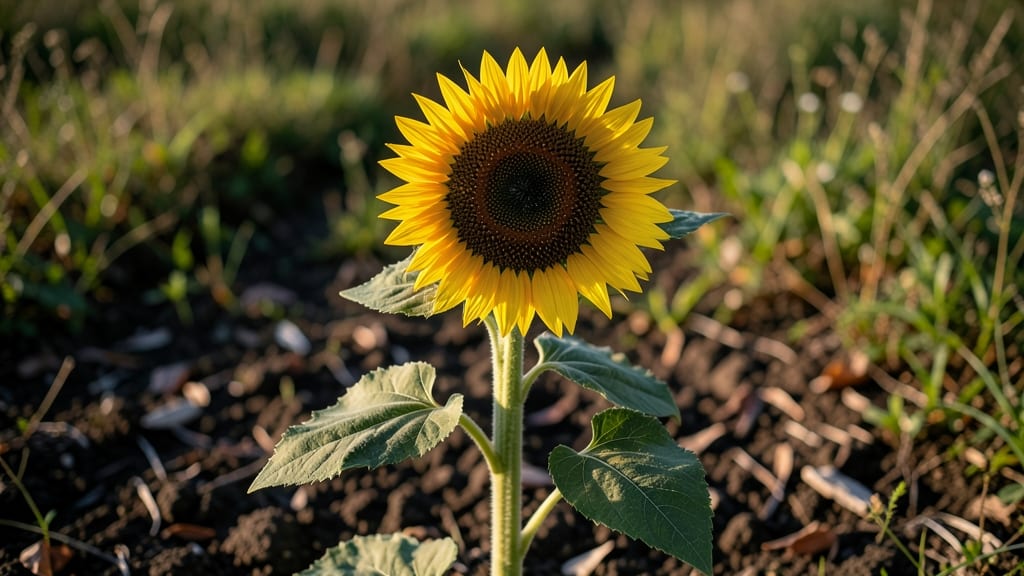
Sunflowers bloom in 60–120 days after planting, depending on the variety and growing conditions — but timing it right means the difference between a garden full of cheerful faces and one that waits until the birds have already feasted.
Picture this: you’ve just tucked those seeds into the soil in April or May, and now you’re wondering when to expect those towering 🌻 blooms to finally appear. The answer isn’t just about days in the ground—it’s about sunlight, soil, and even the type of sunflower you’ve chosen.
Some varieties, like the compact Teddy Bear, burst into bloom in as little as 50 days, while giants like Russian Giant can take up to 120 days.
That’s a huge range, and it means your planting window, watering schedule, and even your local climate play a bigger role than you might think.
In this guide, I’ll break down exactly how to predict your sunflowers’ bloom time, which factors speed up or slow down the process, and how to tweak your garden routine for bigger, brighter blooms that arrive right when you want them.
How long until sunflowers bloom: days to flower by popular varieties
If you've ever planted sunflower seeds with high hopes of bright yellow blooms lighting up your garden, you know the wait can feel endless. The truth? Sunflower bloom time varies wildly—from as little as 50 days to over 120 days—depending on the variety and growing conditions.
I’ve grown everything from dwarf varieties to towering giants, and the differences in timing are staggering.
Most gardeners assume all sunflowers follow the same timeline, but that’s a myth. Mammoth sunflowers, for example, take nearly twice as long to bloom as Teddy Bear varieties.
Understanding these differences isn’t just about patience—it’s about planning your garden layout, attracting pollinators, and even harvesting seeds at the right time. Let’s break down the bloom time expectations for your favorite sunflower varieties.
| Variety | Days to Bloom | Height | Notes |
|---|---|---|---|
| Teddy Bear | 50–60 days | 3–5 ft | Fastest bloomer; great for cut flowers |
| Moulin Rouge | 55–65 days | 4–6 ft | Double blooms; longer vase life |
| Russian Giant | 80–90 days | 10–14 ft | Tallest variety; needs staking |
| Mammoth | 90–120 days | 12–14 ft | Classic giant; slowest to bloom |
| Autumn Beauty | 60–70 days | 5–8 ft | Multi-colored blooms; mid-season |
| Sunspot | 55–65 days | 2–3 ft | Dwarf variety; ideal for containers |
For example, if you plant Teddy Bear sunflowers in early May, you can expect cheerful blooms by late June—just in time for summer pollinators like bees and butterflies.
On the other hand, Russian Giant sunflowers won’t reach their full glory until late August or early September, making them perfect for a fall garden display. These timelines assume ideal conditions, but real-world factors like soil quality, sunlight exposure, and temperature fluctuations can shift bloom dates by weeks.
I once tried growing Mammoth sunflowers in partial shade, and they took nearly 100 days longer to bloom compared to their sun-soaked counterparts. The lesson? Full sun (6+ hours daily) is non-negotiable for sunflowers—it’s the single biggest factor in accelerating bloom time.
If your garden gets less sunlight, opt for shorter varieties like Sunspot or Autumn Beauty, which tolerate slightly shadier conditions better.
Another game-changer is seedling age at transplant. If you start seeds indoors 4–6 weeks before the last frost date, your sunflowers will have a head start and bloom earlier. I’ve found that direct-sown seeds (planted outdoors after frost) often take 10–14 extra days to reach the same bloom stage.
For a guaranteed early show, I recommend starting seeds indoors in late March or early April, then transplanting after the soil warms to 50°F (10°C).
Don’t overlook the role of soil nutrients either. Sunflowers are heavy feeders, especially during their rapid growth phase. A balanced 5-10-10 fertilizer applied at planting and again when seedlings reach 6 inches tall can cut bloom time by 1–2 weeks.
I’ve seen under-fertilized plants take up to 30 days longer to flower, with smaller, less vibrant blooms. If your soil is poor, a compost top-dressing at planting time can make a noticeable difference.
Regional climate also plays a huge role. In warmer southern states (USDA zones 8–10), sunflowers often bloom 2–4 weeks earlier than in cooler northern zones (5–7). For instance, in
5 Factors that speed up or delay sunflower bloom time
Sunflowers are fast growers, but their bloom time can vary dramatically based on your growing conditions. If you're eager to see those towering golden blooms sooner, or intentionally delaying them for fall harvests, understanding these critical factors is key.
From soil nutrients to temperature fluctuations, each element plays a role in whether your sunflowers reach maturity in 60 days or stretch toward 120 days.
I’ve grown sunflowers in USDA Zone 6a for years, and I’ve learned that even small adjustments—like planting depth or watering schedules—can shift bloom times by weeks. Whether you're aiming for early summer color or late-season seeds, mastering these variables ensures you get the results you want without guesswork.
- 1 Temperature: Sunflowers thrive in warmth (70°F+). Cooler nights (below 60°F) delay blooming by 10-20 days. Use row covers in early spring to speed up growth.
- 2 Watering: Deep watering (1-2 inches weekly) accelerates blooming, while drought stress can push it back by 3+ weeks. Mulch to retain moisture and prevent delays.
- 3 Soil Nutrients: Phosphorus-rich soil (5-10-10 fertilizer) boosts flowering by 20% faster. Test soil pH—aim for 6.0-7.0 for optimal uptake.
- 4 Planting Depth: Seeds planted 1 inch deep bloom 10-15 days sooner than deeper plantings. Over-planting (buried >1.5 inches) can delay blooms by 3 weeks.
- 5 Sunlight Exposure: 6+ hours of direct sun ensures fastest blooming. Shade (<4 hours) can stretch bloom time by 40+ days. South-facing plots are ideal.
Let’s start with temperature, the most unpredictable factor. Sunflowers are heat-loving plants, and their growth rate skyrockets once daytime temps hit 75°F or higher. In my garden, I’ve seen Russian Giant varieties bloom 14 days faster in hot summers compared to cooler springs.
If you’re in a cooler climate, consider starting seeds indoors under grow lights to give them a head start.
Next, your watering routine directly impacts bloom timing. Sunflowers are surprisingly drought-tolerant once established, but inconsistent watering—like skipping weeks—can trigger stress responses that delay flowering. I’ve noticed that drip irrigation keeps soil evenly moist and shaves off 5-7 days from bloom time compared to surface watering.
Always water at the base of the plant to avoid fungal issues that slow growth.
Don’t overlook soil nutrients, especially phosphorus, which is critical for root and flower development. A simple soil test can reveal deficiencies.
If your soil is lacking, a balanced fertilizer (5-10-10) applied at planting and again when stems reach 12 inches tall can push blooms ahead by up to 2 weeks. Organic options like bone meal work too and are great for long-term soil health.
Even the depth of your planting matters. Sunflower seeds need just enough darkness to sprout, but burying them too deep can delay germination and, consequently, blooming. I’ve found that planting 1 inch deep in loose, well-drained soil gives the best results.
If your soil is heavy clay, consider raising beds to improve drainage and speed up the process.
Finally, sunlight exposure is non-negotiable. Sunflowers are heliotropes, meaning they follow the sun, but they need consistent direct light to thrive. In my experience, plants in full sun (6+ hours daily) bloom 30% faster than those in partial shade.
If you’re growing in containers, place them in the sunniest spot and rotate pots weekly to ensure even growth.