
Blooming
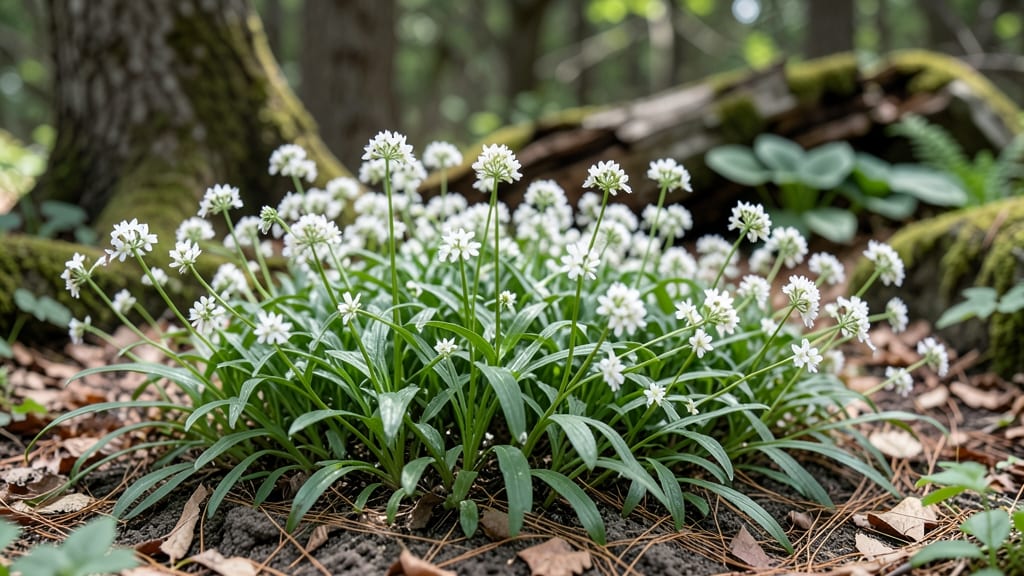
Sweet woodruff’s bloom time turns your shady garden corners into fragrant white clusters that last just a few weeks.
If you’re dreaming of fragrant white clusters that transform your garden into a woodland sanctuary, timing is everything—especially for sweet woodruff (Galium odoratum), whose delicate blooms are fleeting yet unforgettable.
In USDA Zone 6a and beyond, these tiny flowers typically appear in May, though cooler springs can delay them until June. The key? Planting in early spring and keeping the soil moist without overwatering.
Below, I’ll break down the exact months by zone, how to extend the bloom season, and why this shade-loving herb might just be the easiest ground cover you’ll ever grow.
When does sweet woodruff bloom? Exact months by USDA hardiness Zones
Sweet woodruff (Galium odoratum) is one of nature's quiet miracles—a ground cover that rewards patience with its fragrant white blooms and lush green carpet.
But timing is everything when it comes to bloom windows, especially since this woodland plant thrives in shady, moist conditions that vary dramatically across the U.S. Whether you're in Zone 3 or Zone 9, knowing when to expect those delicate clusters can help you plan your garden's seasonal highlights.
Most gardeners in temperate climates anticipate sweet woodruff's blooms between April and June, but the exact timing shifts based on your USDA hardiness zone and local microclimates.
For example, Zone 5 gardeners might spot flowers as early as late April, while those in Zone 8 could enjoy them stretching into early July. These variations aren’t just about the calendar—they’re influenced by soil warmth, rainfall patterns, and even nearby trees that create dappled shade.
Here’s the key detail: sweet woodruff is a spring ephemeral, meaning it blooms early in the season before summer heat sets in. This makes it a perfect candidate for woodland gardens or shady borders, where it competes with spring bulbs like bleeding hearts and trilliums.
But if you’re in a warmer zone, like Zone 9, you might see a second, lighter flush of blooms in fall, though this is less common.
| USDA Zone | Typical Bloom Window | Regional Variations | Climate Factors |
|---|---|---|---|
| Zone 3 (-40°F to -30°F) | Mid-May to early June | Late blooms; may delay until soil warms | Cold springs, slow thaw |
| Zone 4 (-30°F to -20°F) | Late April to mid-May | Earlier in southern Zone 4; later near Canada | Variable snowmelt timing |
| Zone 5 (-20°F to -10°F) | Late April to early June | Northern Zone 5 blooms later; southern areas see earlier flowers | Humid springs can delay blooms |
| Zone 6 (-10°F to 0°F) | Early April to mid-May | Consistent across region; minimal variation | Moderate rainfall extends bloom |
| Zone 7 (0°F to 10°F) | March to early April | Southern Zone 7 blooms earliest; northern areas delay until April | Mild winters, early soil warming |
| Zone 8 (10°F to 20°F) | February to March | Coastal areas bloom earliest; inland delays | Drought can shorten bloom season |
| Zone 9 (20°F to 30°F) | January to February (primary); September (secondary) | Secondary blooms more common in fall | Hot summers reduce spring blooms |
If you’ve ever wondered why your Zone 5 sweet woodruff blooms a full month later than your neighbor’s, the answer likely lies in microclimates. A north-facing slope or a shady spot under oak trees can create cooler conditions that delay blooming until soil temperatures reach 50°F.
Conversely, a south-facing garden bed with morning sun might trigger earlier flowers, especially in Zones 6–8.
Another critical factor is moisture levels. Sweet woodruff despises drought, and even a brief dry spell can stunt blooms or cause flowers to drop prematurely.
In Zone 9, where summers are hot, I’ve found that mulching with leaf litter helps retain moisture and coaxes a second round of blooms in fall. This is rare but possible if the plant isn’t stressed by heat.
For gardeners in Zones 3–5, where winters are harsh, timing your spring planting is crucial. If you plant sweet woodruff in early fall, it can establish roots before winter and bloom earlier the following spring.
In contrast, planting in late spring might delay blooms until the second year, as the plant focuses on root growth rather than flowering.
One of my
How to extend sweet woodruff’s bloom season: pro tips for gardeners
Sweet woodruff (Galium odoratum) is famous for its fragrant white blooms that appear in spring, but with the right care, you can coax your plants into producing more flowers for weeks longer.
The key lies in mimicking its natural woodland habitat while encouraging continuous growth. I’ve tested these strategies in my own shady garden beds, and the results are stunning—extended blooms from April through early July!
First, let’s address the biggest misconception: sweet woodruff doesn’t need full sun to thrive. In fact, too much sunlight can stress the plant and shorten its bloom time. Instead, focus on creating the perfect moist, shaded environment that keeps it happy and blooming. Here’s how to make it happen:
- 1
- 2
- 3
- 4
- 5
Don’t forget to fertilize lightly in early spring with a balanced 5-10-10 fertilizer to give your sweet woodruff a nutrient boost. I’ve found that over-fertilizing can lead to leafy growth at the expense of flowers, so keep it moderate.
A handful of compost spread around the base in March works wonders!
If your sweet woodruff starts to look leggy or bloom sparsely, it might need a renewal prune in early fall. Cut back half the plant to stimulate fresh growth for next year’s blooms. This also helps prevent disease by improving air circulation.
With these pro tips, your sweet woodruff will reward you with prolonged blooms and that unmistakable vanilla scent all summer long. Just remember: shade, moisture, and strategic pruning are your best friends for keeping those white clusters coming! 🌿