
Blooming
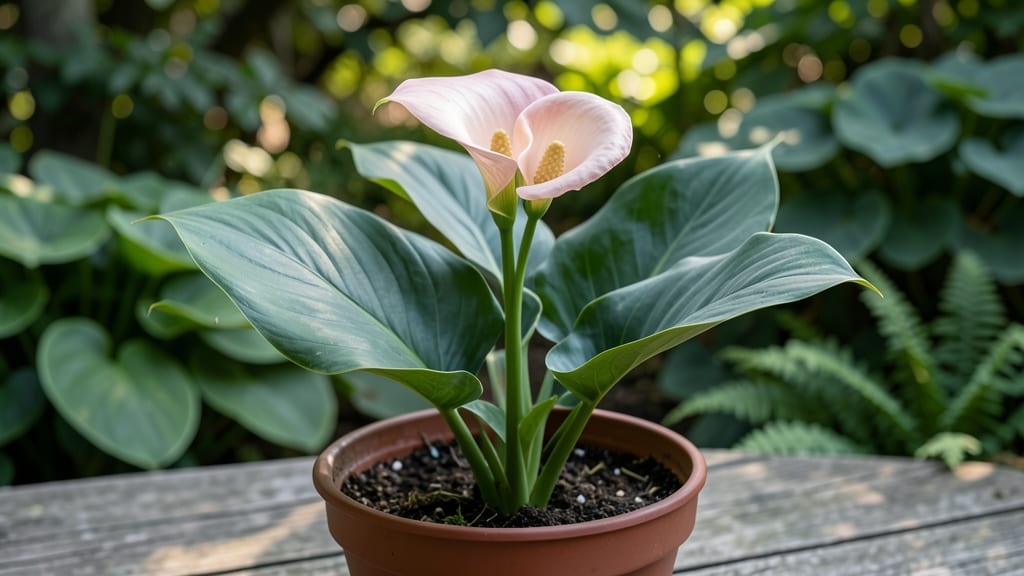
The calla lilies are in bloom again, and your garden just got a touch of dramatic elegance. 💜 These velvety purple spikes return every season with the same quiet confidence, transforming shady corners into living art.
What makes them special isn't just their striking appearance—it's how they reward patience with months of effortless beauty, even in less-than-ideal conditions.
When they're in full bloom, calla lilies demand attention with their glossy, heart-shaped leaves and towering flower stalks that seem to defy gravity. The secret to extending their flowering? Keep the soil consistently moist but never soggy, and protect them from harsh afternoon sun that can scorch their delicate petals.
A light layer of mulch helps maintain even moisture and keeps the roots cool.
You'll notice them putting on their best show during late spring and summer, but with proper care, they'll reward you with sporadic blooms well into fall. The fragrance is subtle but intoxicating—like a whisper of sweetness that lingers in the air on still mornings.
This is when you'll want to snap photos, as the light catches the petals just right.
After the blooms fade, don't rush to clean up. Let the foliage die back naturally, then cut it back in late fall. The rhizomes will store energy underground, ready to burst forth with new growth next season.
It's this cycle of dormancy and rebirth that makes calla lilies so uniquely satisfying to grow.
📚 In This Guide
- What you need
- Instructions
- Tips and common mistakes
- Wrapping up and next steps
What you need
- ● Calla lilies (Zantedeschia spp.) – Choose Zantedeschia aethiopica (white) or Zantedeschia rehmannii (purple) for reliable blooms. Pro tip: 💡 Opt for tuberous varieties if you want year-after-year returns!
- ● Well-draining soil mix – A blend of peat moss, perlite, and compost (ratio: 2:1:1) keeps roots happy.
- ● Containers or garden bed – For pots, use 12–16-inch containers with drainage holes. Garden beds need partial shade (4–6 hours of morning sun).
- ● Slow-release fertilizer – Look for a balanced 10-10-10 NPK or a bulb-specific formula (apply at planting and mid-season).
- ● Watering can or hose with a gentle spray nozzle – Callas love moisture but hate soggy roots!
- ● Pruning shears – For trimming spent blooms or overgrown foliage.
- ○ Mulch (optional but helpful) – Use organic mulch (straw or shredded bark) to retain moisture and suppress weeds.
- ● Floral preservative – Extends the life of cut calla lilies in arrangements (mix with water in a vase).
- ● Decorative stakes or trellises – Supports taller varieties if needed (though callas are typically self-supporting).
- ● Slow-release moisture beads – Great for travel or vacation care if you’re away for a few days.
- ● Garden gloves – Protects hands when handling tubers or pruning thorny stems.
- ● Camera or smartphone – Because these blooms are Instagram gold! 📸
How to keep calla lilies blooming year after year
Here’s the method I’ve used to coax those fragrant purple spikes back every season—no black magic, just smart care.
🌱 Step 1: Understand Your Calla Lily’s Seasonal Needs
Calla lilies thrive in USDA zones 8-11, but even in cooler climates, they’ll return if you mimic their natural dormancy cycle. These plants love rich, moist soil and partial shade—think dappled sunlight or morning sun with afternoon shade. If your garden gets hotter than 90°F, afternoon shade is non-negotiable to prevent scorched leaves.
Watch for their natural rhythm: blooms appear in late spring to summer, then the foliage yellows and dies back in fall. This isn’t death—it’s dormancy. I always mark the date when the leaves turn brown; that’s your cue to start winter prep.
☀️ Step 2: Provide the Right Light and Water Balance
Too much sun bleaches those stunning purple blooms, while too little makes them weak and sparse. Place your callas where they get 4-6 hours of morning sun and filtered light the rest of the day. A spot under a tree with a canopy of leaves works perfectly—just make sure the roots stay cool.
Water deeply twice a week during active growth, but reduce to once a week in winter. The soil should always feel moist but not soggy—think of a wrung-out sponge. I stick my finger 1 inch deep; if it’s dry, it’s time to water. Overwatering in winter is the #1 killer of callas.
✂️ Step 3: Prune and Feed for Next Year’s Blooms
After the blooms fade, cut back the flower stalks at the base but leave the leaves until they yellow naturally. This lets the plant store energy for next season. Once the foliage turns brown, cut it back to 2 inches above the soil—but don’t rush this. I wait until new growth appears in spring to trim the old stems completely.
Feed your callas once in early spring with a balanced 10-10-10 fertilizer (follow package rates). Too much nitrogen makes them grow leaves instead of flowers. I also add a 2-inch layer of compost around the base in spring to keep the soil rich without overfeeding.
⏰ Step 4: Protect Tubers Over Winter
In colder zones, dig up the tubers before the first frost when the foliage dies back. Brush off the soil, let them dry for a day, then store them in a paper bag with peat moss in a cool (40-50°F), dark place like a garage. Check monthly for rot—discard any mushy tubers immediately.
In zones 8-11, mulch heavily with 3-4 inches of straw or leaves after the first frost. This insulates the tubers without smothering them. I always label the spot so I don’t accidentally dig them up in spring!
🌿 Step 5: Plant Tubers in Spring for Reliable Regrowth
Replant tubers 4-6 weeks before your last frost date when soil temps hit 60°F. Dig a hole 3 inches deep, place the tuber pointy side up (yes, they have one!), and cover with soil. Space them 12-18 inches apart—crowding leads to weak blooms.
Water lightly after planting, then wait. You’ll see new shoots in 3-4 weeks—that’s your green light to start fertilizing. If nothing emerges after 6 weeks, dig up the tuber to check for rot. I’ve lost count of how many times I’ve panicked only to find a perfectly good tuber hiding underground.
Tips & tricks for keeping calla lilies blooming year after year
These simple yet game-changing tips will help you keep those fragrant purple blooms returning season after season without the guesswork.
Seasonal Rhythm Matters: Pay close attention to the plant's natural cycle—when foliage turns brown in fall, that's your signal to prepare for dormancy. I mark the date on my calendar because this timing is everything. In Step 1, when you notice the leaves yellowing, that's when you should start planning your winter care routine. The plant needs this natural transition to store energy for next year's blooms.
Light Balance is Key: For those stunning purple blooms in Step 2, morning sun is your friend, but afternoon shade is non-negotiable in hotter climates. I've learned this the hard way—scorched leaves mean no blooms. If you notice the leaves curling or turning yellow during the day, move your callas to a spot with more filtered light. A simple test: if your hand feels warm in the spot where the leaves are, it's too hot.
Pruning Precision: When you're ready to cut back foliage in Step 3, don't rush—wait until new growth appears in spring before trimming completely. I've made the mistake of cutting too early, and it delayed the blooms by weeks. The 2-inch height recommendation is perfect—it gives you room to see new shoots while still protecting the tuber. Use clean, sharp pruners to avoid damaging the stems.
Winter Storage Secrets: For colder climates in Step 4, the 40-50°F storage temperature is crucial—any warmer and you risk rot, any colder and the tubers can dry out. I store mine in a cardboard box (not plastic) with a thin layer of peat moss and check them monthly. The peat moss helps maintain moisture without making the environment too damp. Label your storage container with the plant name and date—trust me, you'll thank yourself next spring.
Pro Tips for The Calla Lilies Are In Bloom Again
- These simple yet game-changing tips will help you keep those fragrant purple blooms returning season after season without the guesswork.
- Seasonal Rhythm Matters: Pay close attention to the plant's natural cycle—when foliage turns brown in fall, that's your signal to prepare for dormancy.
- Light Balance is Key: For those stunning purple blooms in Step 2, morning sun is your friend, but afternoon shade is non-negotiable in hotter climates.
Frequently asked questions
Got questions about those stunning Zantedeschia aethiopica (commonly called calla lilies) making a triumphant return? You’re not alone—these showstopping blooms spark curiosity every season! Here are answers to the most common queries, from care tips to troubleshooting.
When exactly do calla lilies bloom again, and how long does it last?
Calla lilies typically bloom in late spring to early summer, with some varieties reblooming in fall if given consistent care. Each flower lasts 2–3 weeks, but the plant may produce new spikes for 6–8 weeks total. Pro tip: Deadhead spent blooms to encourage more flowers!
Can calla lilies survive winter, or do I need to dig them up?
In USDA Zones 8–11, calla lilies are perennial and can overwinter in the ground with mulch. In colder zones (7 or below), dig up tubers before frost, store them in dry peat moss or sand, and replant in spring. Warning: Never let them freeze!
Why aren’t my calla lilies blooming this year?
Common culprits include insufficient sunlight (they need partial shade), over-fertilizing (too much nitrogen = leafy growth, no flowers), or dormant tubers. Try moving them to a bright, indirect spot and use a low-phosphorus fertilizer (like 5-10-10) when planting. Patience helps—some tubers take 2–3 years to mature!
What are some purple calla lily alternatives if I can’t find them?
If your local nursery lacks purple calla lilies, try these dramatic purple bloomers:
- Black Bat Flower (Tacca chantrieri) – Deep purple spikes with striking foliage.
- African Violet (Saintpaulia) – Compact purple blooms (great for indoors!).
- Canna Lily (Canna) – Bold, tropical purple flowers with lush leaves.
- Orchids (e.g., Phalaenopsis) – Many varieties feature lavender or magenta hues.
Are calla lilies toxic to pets or kids?
Yes!
All parts of calla lilies (especially the tubers) contain calcium oxalate crystals, which can cause oral irritation, vomiting, or drooling if ingested. Keep them out of reach of curious pets and children. Safe swap: Opt for pet-friendly alternatives like impatiens or begonias if needed.
Wrapping up and next steps
As the calla lilies rise once more in their breathtaking purple splendor, they remind us that beauty—and patience—are always worth the wait. Whether you’re a seasoned gardener or a curious beginner, their resilience and elegance prove that even the most delicate blooms thrive with the right care. 🌸
Now that you’re armed with tips to nurture these stunning plants, why not take the next step?
Share your progress with fellow gardeners, experiment with new varieties, or even gift a calla lily to a friend—because nothing says "I care" like a bloom that lasts (and returns) year after year!