
Blooming
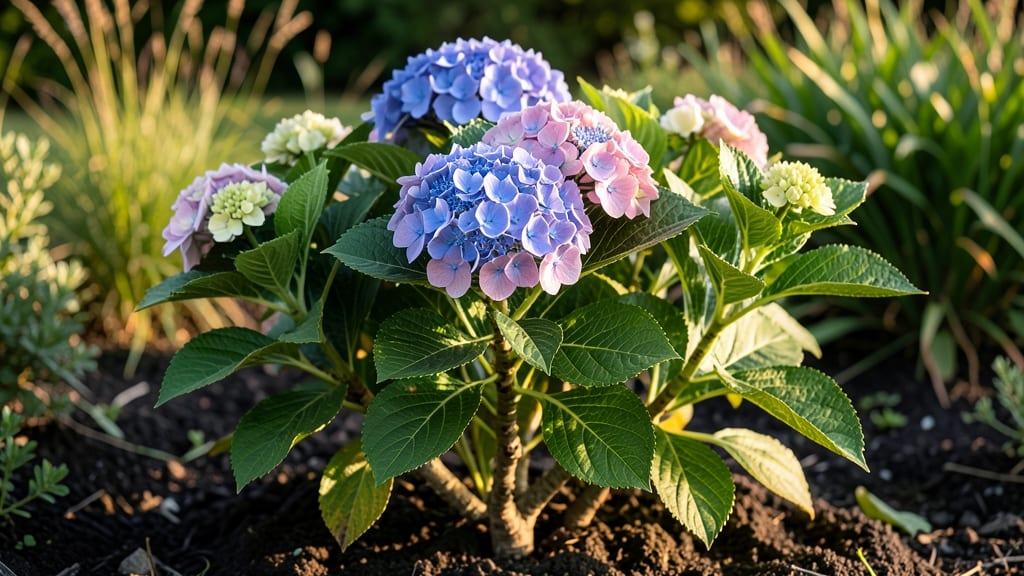
Hydrangeas in Virginia typically bloom between late June and September, with timing depending on your exact zone and variety.
If you’re dreaming of vibrant hydrangea blooms in Virginia’s gardens, timing is everything—especially in USDA Zones 7A-7B where seasons shift unpredictably. Knowing exactly when to expect those showstopping flowers can mean the difference between a stunning summer display and missed opportunities.
Bigleaf hydrangeas often kick off the show around July, while panicle and oakleaf varieties may wait until August or even September to burst into color. Microclimates in Virginia can push blooms earlier in coastal areas or delay them in the Piedmont, so local weather patterns play a big role.
In this guide, I’ll break down the month-by-month blooming schedule for Virginia’s most popular hydrangeas, share tips to extend their season, and help you choose varieties that thrive in your specific zone.
Hydrangea bloom seasons in Virginia’s USDA zone 7A-7B: month-by-month guide
Virginia’s USDA Zones 7A-7B offer the perfect climate for hydrangeas, but bloom timing can vary dramatically depending on the variety and your local microclimate. From the first bud swell in spring to the last colorful bloom in fall, understanding these patterns helps you plan for showstopping displays.
Late frosts in the Blue Ridge Mountains or heat waves in Richmond’s urban areas can shift schedules by weeks.
Most hydrangeas in Virginia begin their flowering cycle after the last frost, typically between mid-April and early May. However, Oakleaf hydrangeas often bloom slightly earlier, while Bigleaf types may wait until June.
Let’s break down the month-by-month expectations for each popular variety and how to adapt your care for Virginia’s unpredictable weather.
In May, watch for the first bud swell on your hydrangeas, especially if you planted Oakleaf varieties. This is when they’re most vulnerable to late frosts, which can damage tender buds.
If you’re in eastern Virginia, where frosts are less common, you might see blooms as early as late May. Bigleaf hydrangeas like 'Endless Summer' typically need warmer soil temperatures before they’ll open their first flowers.
By June, most hydrangeas in Virginia will be in full bloom, with Panicle types like 'Limelight' leading the charge. This is also when you’ll notice the biggest differences between mountain microclimates and coastal areas.
In the Blue Ridge Mountains, blooms may arrive 2-3 weeks later than in Northern Virginia due to cooler nights. If your hydrangeas aren’t blooming by mid-June, check for over-pruning or poor soil drainage, both common issues in Virginia’s clay-heavy soils.
July and August are the peak bloom months for most hydrangeas in Zone 7A-7B, but this is also when Virginia’s summer heat waves can cause stress. Bigleaf varieties may need extra afternoon shade to prevent leaf scorch, while Panicle types often handle the heat better.
This is the perfect time to deadhead spent blooms to encourage a second flush of flowers, especially if you’re growing reblooming varieties like 'Nikko Blue' or 'You & Me'.
Don’t assume the show ends in September! Many hydrangeas, particularly Panicle types, continue blooming well into October, especially in western Virginia’s cooler climate. Oakleaf hydrangeas often produce a second, smaller bloom in fall, adding seasonal interest when other plants fade.
If you’re in Tidewater Virginia, where summers are hotter, you might see blooms extend into early November, but watch for the first frost, which can damage tender flowers.
Virginia’s microclimates play a huge role in bloom timing. For example, Charlottesville’s Piedmont region typically sees blooms 1-2 weeks earlier than Roanoke’s higher elevations. If you’re in a valley or urban heat island, your hydrangeas may bloom earlier but could struggle with heat stress.
To extend the season, mulch around your plants in early spring to moderate soil temperatures and water deeply during drought periods, which are becoming more common in Virginia’s changing climate.
One of the biggest mistakes gardeners make in Virginia is pruning at the wrong time. Bigleaf hydrangeas bloom on old wood, so pruning in late winter (February-March) can remove next year’s buds.
Instead, prune these varieties right after they finish blooming in late summer or early fall. Panicle and Smooth hydrangeas, which bloom on new wood, can be pruned in late winter to shape the plant and encourage vigorous growth for next season’s blooms.
To maximize your hydrangea blooms in Virginia, start with the right soil pH. Bigleaf varieties thrive in acidic soil (pH 5.5-
How to extend hydrangea blooms in Virginia’s unpredictable climate
Virginia’s USDA Zones 7A-7B bring unpredictable temperature swings that can shorten hydrangea bloom seasons. But with the right care, you can extend those stunning flowers by weeks! The key lies in pruning timing, seasonal adjustments, and protecting blooms from sudden heat or frost.
I’ve learned that late-spring pruning for summer-blooming varieties (like Bigleaf hydrangeas) and early-winter pruning for spring-blooming types (like Panicle hydrangeas) makes all the difference. Plus, deadheading spent blooms and mulching properly can keep flowers vibrant longer.
One of my biggest mistakes was pruning Bigleaf hydrangeas in winter—this removes next year’s blooms! Instead, I now wait until late summer when flowers fade. For Oakleaf hydrangeas, their fall foliage is just as stunning, so I prune lightly in late winter.
Virginia’s humid summers can also shorten bloom life if flowers aren’t protected. I’ve found that lightly spraying blooms with water in early morning helps them stay fresh longer by reducing heat stress. Plus, staking taller varieties prevents wind damage during summer storms.
For late-season color, I always keep an eye on the weather forecast. If a cold snap is predicted in October, I’ll cover vulnerable blooms with burlap sacks or frost cloth. This simple step has extended my Oakleaf hydrangea blooms by nearly 2 weeks in past years.
Remember, consistency is key. Hydrangeas thrive on routine care, so mark your calendar for pruning, deadheading, and fertilizing to keep your shrubs blooming beautifully all season long. With these tips, your Virginia garden will be the talk of the neighborhood! 🌸