
Blooming
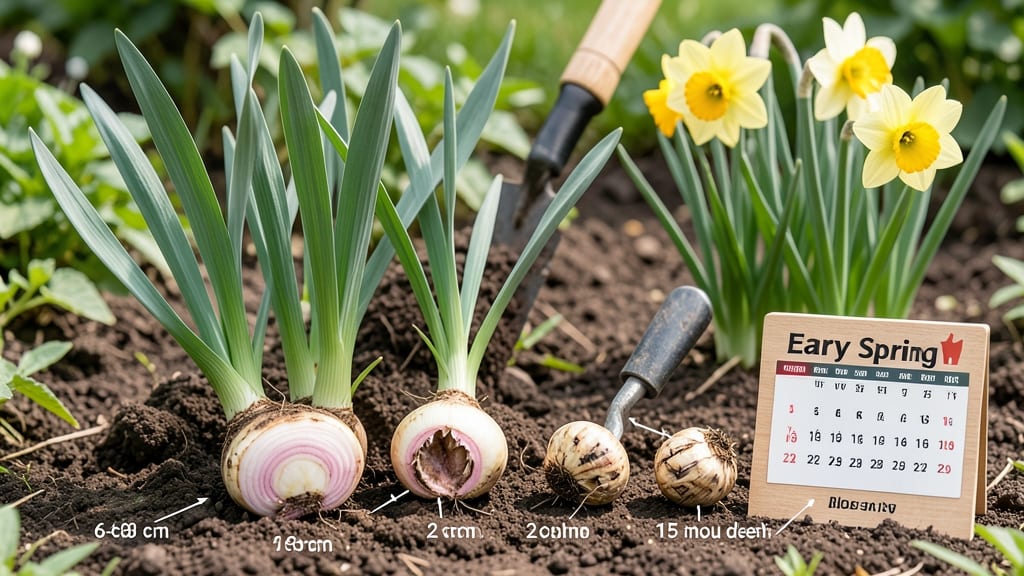
Why didn’t my daffodils bloom this year?—they might just be resting after years of blooming, not failing. 🌱 I’ve seen this happen when they’ve been overworked or stressed, and the good news is, next year’s show could be even better with a few simple tweaks. The real culprits are often hidden: too much shade, crowded roots, or skipping their winter rest. These bulbs need sunlight, space, and patience to reward you with those cheerful trumpets again.
Most daffodils need 6+ hours of direct sun daily, but even partial shade can delay blooms. Check your yard—trees or structures might be blocking light now. Overcrowding is another sneaky issue: when bulbs get too close, they compete for nutrients and energy, skipping the bloom phase entirely.
Dig up and separate clumps if you see more than 3-4 stems per bulb—this refreshes their energy stores for bigger displays next spring.
Here’s the game-changer: feed them in fall with bone meal or bulb fertilizer. Daffodils store energy underground, and if the soil’s lacking phosphorus (the bloom booster), they’ll just sit there looking pretty but not flowering.
A light top-dressing of compost in early autumn gives them exactly what they need for next year’s performance. Think of it as their winter vacation prep—good food, good rest, and they’ll come back stronger.
This works for all daffodils, whether you’re dealing with classic yellows, peach-toned varieties, or even those rare double blooms. The key is consistency: same spot, same care, and letting them enjoy their dormancy. By next spring, you’ll have a front-row seat to their comeback show—and it’ll be worth the wait.
Hidden Reasons Your Daffodils Skipped Bloom Time
Daffodils are famously hardy, but even the toughest bulbs need the right conditions to show off their cheerful blooms. If your garden went from no daffodils to no flowers, don’t panic—there’s usually a clear (and fixable) reason behind the absence.
Let’s dig into the top culprits keeping your daffodils from flowering this year, backed by science and actionable solutions.
---
Daffodils (Narcissus spp.) are sun-worshippers, thriving in full sun (6–8+ hours daily). Too little light triggers a survival mode: the bulb focuses energy on leaf growth instead of blooming.
Why it happens: - Shade from trees or structures blocks sunlight, weakening the bulb’s photosynthesis. - Overcrowded plantings create competition, leaving bulbs starved for light. - Late planting (after early fall) delays root establishment, so bulbs aren’t ready to bloom by spring.
💡 Pro Tip: Test your spot with a sun gauge (or shadow tracking) for 24 hours. If your daffodils get <4 hours of sun, relocate them to a sunnier area next fall—they won’t bloom again until conditions improve.
---
Daffodils need cold stratification (a winter chill) to trigger blooming, but extreme heat or erratic temps can disrupt their cycle.
Why it happens: - Mild winters (below 40°F/4°C for 12–16 weeks) fail to signal bulbs to bloom. - Early spring warmth (before last frost) tricks bulbs into premature growth, then frost zaps the flowers. - Heatwaves in summer after planting can stress new roots, delaying next year’s bloom.
📊 Scientific Breakdown: Daffodils require vernalization—a cold period to "turn on" flowering genes. Without it, they stay in vegetative mode. In Zone 7+, where winters are short, bulbs may need artificial chilling (store in a fridge for 8–10 weeks post-harvest if replanting).
--- Daffodils hate soggy soil (rot risk!) but also drought stress, both of which sabotage blooms.
Why it happens: - Overwatering after planting drowns roots, preventing nutrient uptake for flower buds. - Underwatering (especially in dry spells) causes bulbs to shrink, reducing energy for blooms. - Poor drainage (clay soil, low spots) leads to bulb rot, killing the plant before it flowers.
⚠️ Red Flags: - Mushy, blackened bulbs = rot from excess moisture. - Wilted leaves but no flowers = drought stress or compacted soil.
🔥 Fix It: - Amend soil with compost to improve drainage. - Water deeply but infrequently (1 inch/week) once leaves appear in spring. - Avoid soggy spots—plant on mounds or slopes if your yard holds water.
---
Daffodils need balanced nutrition, but over-fertilizing (especially with nitrogen) promotes leaves over flowers.
Why it happens: - High-nitrogen fertilizer (like lawn food) makes bulbs grow lush foliage but skip blooming. - Phosphorus/potassium deficiency (key for flowering) weakens bloom production. - Old or depleted soil lacks micronutrients (like magnesium or boron), critical for flower development.
🥗 What to Feed Them: | Problem | Solution | When to Apply | |---------------------------|---------------------------------------|----------------------------| | No blooms, lots of leaves | Low-nitrogen, high-phosphorus fertilizer (5-10-10) | Early spring (after leaves emerge) | | Small or no flowers | Bone meal or bulb fertilizer | Fall (6 weeks after planting) | | Yellowing leaves | Epsom salt (magnesium sulfate) | Spring (1 tbsp per plant) |
--- Daffodils are fussy about depth and timing—mess this up, and they’ll either rot or not bloom.
Why it happens: - Planting too shallow (bulb tip exposed) leads to freeze damage or weak roots. - Planting too deep (below 6–8 inches) strangles the bulb, starving it of nutrients. - Planting at the wrong time (too late in fall or too early in spring) disrupts root growth.
👨🍳 Planting Checklist: ✅ Depth: Bulb top 2 inches below soil (tip-up, not sideways!). ✅ Timing: 6–8 weeks before first frost (fall) for root establishment. ✅ Spacing: 3–6 inches apart (crowding = fewer flowers).
--- Even healthy-looking daffodils can be silently attacked by pests or pathogens, preventing flowers.
Why it happens: - Squirrels or rodents dig up bulbs for snacks, leaving no plant to bloom. - Narcissus fly larvae (maggots) chew roots, weakening the bulb. - Fungal diseases (like basal rot) decay bulbs before blooming season.
🔪 Pest-Proof Your Daffodils: - Cover bulbs with chicken wire in fall to deter diggers. - Inspect bulbs before planting for soft spots or holes (discard damaged ones). - Rotate planting spots every 3–4 years to break disease cycles.
--- Daffodils age out after 5–7 years in the same spot, producing fewer (or no) flowers.
Why it happens: - Bulbs exhaust their energy after years of flowering. - Competition from weeds or grass steals nutrients. - Trauma (like digging or transplanting) shocks the bulb, delaying blooms.
🌱 Refresh Your Garden: - Divide and replant every 3–4 years (lift bulbs in summer after leaves die back). - Remove spent flowers to redirect energy to next year’s blooms. - Mulch lightly (1–2 inches) in fall to protect bulbs without suffocating them.
Quick Fixes for Daffodils That Refused to Bloom
If your daffodils are playing hard to bloom this year, don’t panic—there’s almost always a fix! Below, we’ve matched the most common causes of non-blooming daffodils with practical, step-by-step solutions to revive your garden and set you up for a stunning show next spring. 🌱✨
---
Daffodils thrive in full sun (6+ hours daily), but partial shade can stunt blooms. If your plants are tucked under trees or in a shady spot, move them—or tweak their environment.
How to Fix It: ✅ 🌞 Relocate Them – Choose a sunnier spot in your garden, even if it means dividing and replanting. ✅ 🌳 Trim Overhead Branches – If trees are blocking light, prune them in late winter (before new growth starts). ✅ ⏰ Adjust Planting Depth – If bulbs are too deep, they may struggle to reach sunlight. Dig them up, replant at 6 inches deep, and backfill with loose soil.
Prevention Tip: 💡 Plant daffodils in the fall in areas with the most sunlight—even if it’s not perfect now, they’ll adapt better over time.
---
Compacted, nutrient-poor, or soggy soil can starve daffodils, leaving them with no energy for blooms.
How to Fix It: 🔹 🔪 Test & Amend Soil – Use a simple soil test kit (available at garden centers) to check pH (ideal: 6.0–7.0). If too acidic, mix in lime; if too alkaline, add sulfur or peat moss. 🔹 🥄 Add Organic Matter – Work in compost or well-rotted manure (2–3 inches) around the base of plants in early fall. 🔹 💧 Improve Drainage – If soil stays soggy, raise beds slightly or mix in perlite/sand to loosen it.
Pro Tip: ✨ Avoid fresh manure—it can burn bulbs! Stick to composted versions.
---
Daffodils need balanced nutrition to produce blooms. If they’re not getting enough, they’ll focus on leaves instead.
How to Fix It: 🔸 🌿 Fall Feeding (Best Time!) – Apply a bulb-specific fertilizer (high in phosphorus, like 5-10-10) or a general-purpose 10-10-10 in early October (before freezing). 🔸 🍂 Early Spring Boost – Once shoots emerge, top-dress with bone meal or a low-nitrogen fertilizer (like 3-4-6) to encourage blooms. 🔸 ☀️ Avoid Over-Fertilizing – Too much nitrogen = leafy monsters, no flowers! Stick to light applications twice a year.
Prevention Tip: 📊 Use a slow-release bulb fertilizer in fall—it feeds steadily without risk of overdoing it.
---
Daffodils hate wet feet but also drought stress. Both can kill blooms.
How to Fix It: 💧 🌧️ Water Wisely – - Too Wet? Improve drainage (see above) and water only when the top 2 inches of soil are dry. - Too Dry? Deep-water once a week (1 inch total) during dry spells—focus on the root zone, not the leaves. 🚫 ❌ Avoid Wetting Foliage – Water at the base to prevent fungal diseases like gray mold.
Pro Tip: 🌡️ Mulch with 2–3 inches of straw or shredded leaves in winter to retain moisture without suffocating bulbs.
---
Daffodils live longer than most bulbs, but after 3–5 years, they can get overcrowded or exhausted, leading to fewer (or no) blooms.
How to Fix It: 🔄 🔪 Dig Up & Divide – 1. Wait until foliage yellows (late spring/early summer). 2. Dig carefully—lift the entire clump. 3. Separate bulbs with a knife, keeping healthy, firm bulbs (discard soft or shriveled ones). 4. Replant at 6 inches deep, spacing them 6 inches apart. 5. Water lightly for 2 weeks to help roots establish.
Prevention Tip: 🎯 Divide every 3–4 years to keep blooms plentiful—it’s like giving your daffodils a fresh start!
---
Aphids, squirrels, or fungal infections can steal nutrients or damage bulbs, preventing blooms.
How to Fix It: 🛡️ 🐭 Squirrel-Proof Bulbs – Plant daffodils in containers (they dislike digging) or use chicken wire cages around new plantings. 🐜 🦟 Pest Control – - Aphids? Spray with soapy water (1 tsp mild soap + 1 quart water). - Slugs? Set out beer traps or use iron phosphate bait. 🍄 🌿 Fungal Issues? – - Remove infected leaves immediately. - Apply copper fungicide in early spring if you see mold.
Pro Tip: 💡 Healthy daffodils are pest-resistant! Focus on sun, soil, and spacing to keep them thriving naturally.
--- Final Thought: Most daffodil bloom problems have simple fixes—it’s just about giving them the right conditions. Try one or two solutions this fall, and you’ll likely see beautiful blooms next spring! 🌼💐
Frequently asked questions
Why do my daffodils have leaves but no flowers?
This usually means your bulbs are focusing energy on leaf growth instead of blooming—often caused by too much nitrogen fertilizer or not enough sunlight (6+ hours daily). Try switching to a low-nitrogen, high-phosphorus fertilizer (5-10-10) in early spring and check if nearby trees are shading them.
Can I still get blooms if I planted my daffodils too late last fall?
Yes, but they may bloom smaller or later next year. Daffodils need 6-8 weeks before frost to establish roots. If planted in late fall, focus on keeping soil moist (but not soggy) until freezing. Next year, add a bulb fertilizer in early spring to boost flower production.
How do I know if my daffodils are overcrowded?
Look for 3+ stems per bulb or bulbs growing in tight clusters with weak, sparse blooms. Overcrowding happens when bulbs don't get enough nutrients or sunlight. Dig up clumps in summer after leaves yellow, separate the bulbs, and replant them 6 inches apart for better airflow and growth.
Will mulching my daffodils help them bloom next year?
Yes! Apply 2-3 inches of organic mulch (like straw or shredded leaves) in late fall to insulate bulbs and retain moisture. Just avoid piling mulch against the stems—keep it 1-2 inches away to prevent rot. This mimics their natural winter conditions and encourages stronger blooms.
What should I do if my daffodil bulbs are rotting?
Check for mushy, blackened bulbs—a sign of rot from overwatering or poor drainage. Dig up affected bulbs, discard the rotten ones, and improve drainage by amending soil with compost or perlite. Water only when the top 2 inches of soil are dry and avoid planting in low spots where water pools.