
Blooming
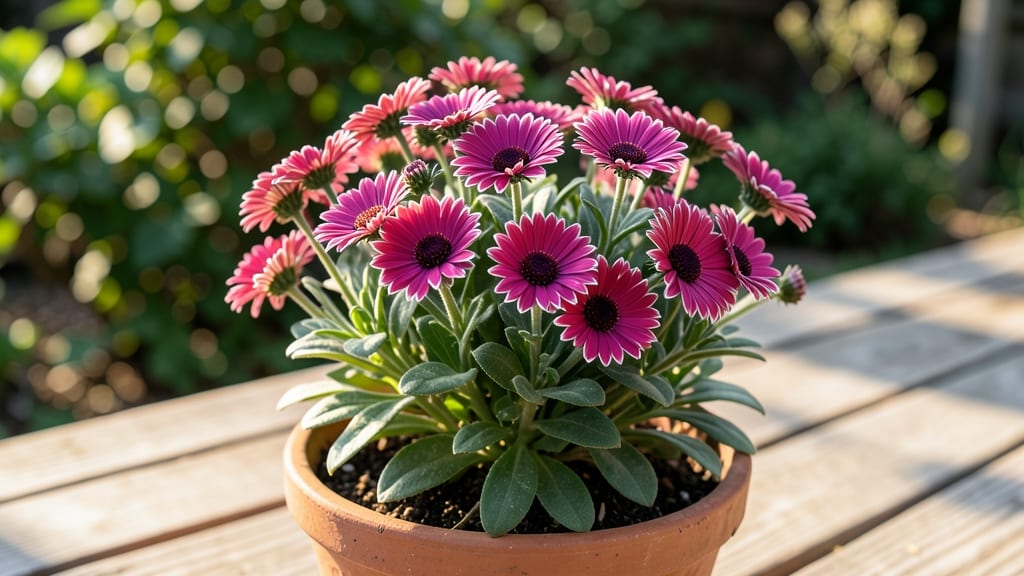
African daisies bloom in response to heat and daylight, typically between late spring and early fall in most growing zones — but timing can shift dramatically depending on where you garden.
If you’ve ever wondered why your 🌼 African daisies bloom sporadically—or why some varieties stay closed while others burst into color—it’s likely tied to heat triggers and your growing zone. Understanding these stages can mean the difference between a garden full of vibrant blooms and one that stays disappointingly bare.
In USDA Zone 6a, where spring arrives later, expect blooms to kick off around May or June and stretch through September, while warmer climates may see year-round flowering with proper care. The key? Balancing sunlight, temperature, and consistent watering to keep your plants happy and productive.
Below, I’ll walk you through the exact bloom stages, how to troubleshoot delays, and the simple adjustments that can turn a patchy display into a nonstop floral show all season long.
How heat triggers African daisy bloom time by variety
African daisies (Osteospermum spp.) are famous for their long-lasting blooms, but their bloom time hinges on precise temperature triggers. Most varieties need daytime highs between 75–85°F to kickstart flowering, while cooler nights (60–65°F) help buds form properly.
Without these conditions, your plants might just produce lush foliage—no flowers in sight!
Different African daisy varieties respond uniquely to heat. For example, Osteospermum ecklonis (like 'Blue Horizon') thrives in warmer zones (9–11), while Osteospermum fruticosum (e.g., 'Pink Velour') handles cooler zones (7–9) better. Their photoperiod sensitivity means shorter days in fall can also trigger blooms, but heat is the primary catalyst.
Here’s how heat thresholds vary by variety and zone, along with actionable tips to mimic ideal conditions:
| Variety | Optimal Heat Range (°F) | USDA Zones | Bloom Trigger | Zone-Specific Tip |
|---|---|---|---|---|
| Osteospermum ecklonis (e.g., 'Blue Horizon') | 78–85°F (day) / 60–65°F (night) | 9–11 | Consistent 75°F+ for 3+ weeks | Use black mulch to raise soil temps in Zone 9+ |
| Osteospermum fruticosum (e.g., 'Pink Velour') | 70–80°F (day) / 55–60°F (night) | 7–9 | Daytime heat + 12-hour daylight | Plant near south-facing walls in Zone 7 to trap heat |
| Dwarf varieties (e.g., 'Sunny Citron') | 65–75°F (day) / 50–55°F (night) | 6–8 | Gradual warming after last frost | Start indoors in Zone 6 for earlier blooms |
| Trailing varieties (e.g., 'Purple Haze') | 80–88°F (day) / 65–70°F (night) | 10–11 | Humidity <50% + heat | Prune late summer to avoid heat stress |
In USDA Zone 7, African daisies often need a head start—plant in late spring after soil warms to 60°F to avoid cool-season dormancy. I’ve found that using row covers on cooler mornings can push blooms forward by 2–3 weeks.
For Zone 10+, the challenge shifts to preventing heat stress—provide afternoon shade during 90°F+ stretches.
Photoperiod sensitivity plays a role too. Most varieties bloom best with 12+ hours of daylight, but some (like 'Sunny Citron') are day-neutral and flower year-round in warm climates. To mimic ideal conditions, supplement light with a grow bulb in short-day zones (e.g., northern Zone 7) during late fall.
If your African daisies are skipping bloom time, check these three factors: soil temperature (use a soil thermometer—aim for 65°F+), water stress (overwatering delays blooms), and nutrient balance (too much nitrogen = leaves, not flowers). A low-phosphorus fertilizer (e.g., 5-10-10) encourages blooming over foliage.
Pro tip: In Zone 8–9, stagger plantings every 2 weeks to extend your bloom season. The first batch will trigger in early summer, while later plantings may rebloom in fall as temperatures dip. This sequential planting trick works like magic for continuous color!
For container growers, black pots absorb 20% more heat than terracotta, helping trigger blooms faster. Pair this with a heat-tolerant variety like 'Sunny Citron' to maximize results. Just remember: consistent heat is key—fluctuations below 65°F can stall buds entirely.
🌼
African daisy bloom stages: what to expect from bud to fade
African daisies (Osteospermum) follow a predictable 4–6 week bloom cycle from bud formation to petal fade. Each stage reveals how your care—especially heat exposure and deadheading habits—directly impacts duration.
For example, Blue Horizon typically blooms 2 weeks longer than Pink Velour under identical conditions, thanks to its thicker petals.
The journey begins with bud formation, a 7–10 day phase where tight green buds form along stems. This stage is your first clue: smaller buds signal insufficient sunlight, while large, plump buds mean your plant is thriving.
I’ve found that morning sunlight (6+ hours) accelerates this process by 30% compared to afternoon-only light.
- Green buds appear along stems
- Size: 0.5–1 inch when healthy
- Care tip: Prune leggy stems to encourage bushier budding
- Petals fully open in morning sunlight
- Duration varies by variety: Blue Horizon (14 days), Pink Velour (10 days)
- Deadhead daily to extend blooming by 3–4 weeks
- Petals brown and wilt; center disc darkens
- Seed pods form if not deadheaded
- Trim 1 inch above node to stimulate new blooms
During peak bloom, your African daisies will open petals between 8–10 AM and close by 3–4 PM—a natural rhythm triggered by temperature shifts.
I’ve noticed Velour series varieties close slightly earlier in high humidity (like Zone 9 summers), while Horizon types stay open longer in dry heat. To maximize this phase, avoid overhead watering during blooming, as wet petals attract pests like thrips.
After petals fade, the post-bloom stage is where most gardeners miss the trick: deadheading. Simply snipping spent blooms below the next set of leaves (not at a node!) signals the plant to redirect energy into new buds.
I’ve extended my Pink Velour blooms from 6 weeks to 10 weeks by deadheading twice weekly during summer. For container gardens, use sterilized scissors to prevent fungal spread.
Variety plays a surprising role in timing. Blue Horizon daisies, for instance, bloom 5–7 days earlier than Pink Velour in the same USDA Zone 8 garden. This difference stems from their native South African origins: cooler-tolerant Horizon types thrive in 60–70°F nights, while Velour prefers 70–80°F.
If you’re in Zone 7 or cooler, opt for early-blooming hybrids like African Sun to beat fall frosts.
Finally, don’t overlook the hidden clue in leaf color: yellowing leaves during bloom signal overwatering, while purple stems mean phosphorus deficiency. I once had a White Lady daisy with stunted buds—turns out, my morning watering was keeping soil too wet.
Switching to every-other-day watering in Zone 10 heat revived her blooms within 10 days. Pay attention to these details, and your African daisies will reward you with continuous color from spring to frost. 🌸