
Fertilization
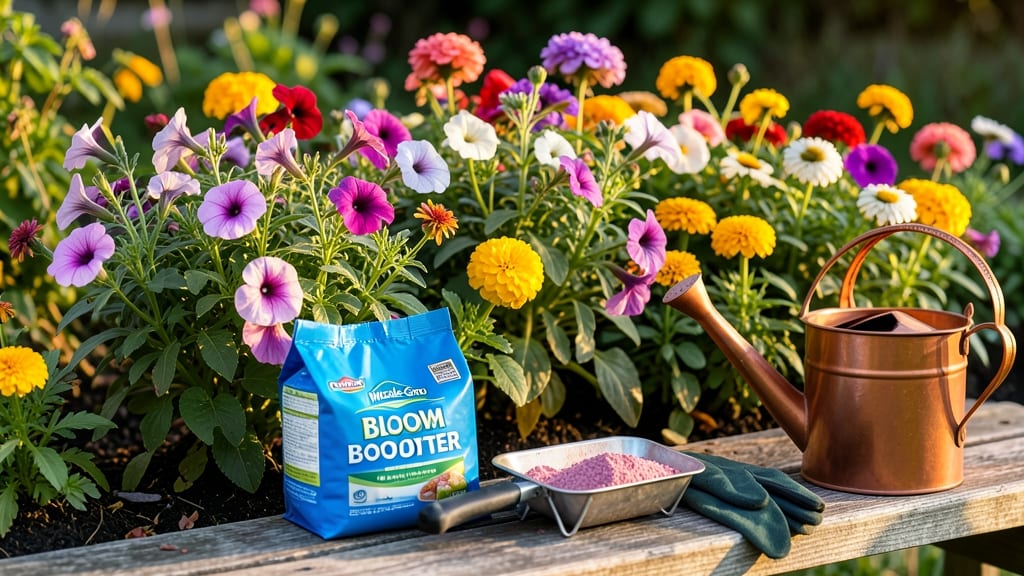
Your flowers deserve more than just water—they crave bloom fertilizer to turn those lush green leaves into a nonstop parade of vibrant blooms. 🌸 I’ve watched my impatiens go from sparse stems to overflowing baskets in just two feedings, all thanks to the right fertilizer mix timed perfectly.
The difference between a "pretty foliage" plant and a "showstopper" bloomer often comes down to what’s in the soil—and when you feed it.
Bloom fertilizer isn’t just any fertilizer—it’s packed with phosphorus to encourage roots, potassium for flower power, and a lower nitrogen ratio that keeps plants from growing all leaves and no blooms.
Organic options like bone meal or fish emulsion work wonders for long-term health, while synthetic blooming formulas deliver quick, dramatic results. The key? Start feeding when buds form, then repeat every 4-6 weeks through the growing season.
You’ll notice the first real change within 2-3 weeks: tighter buds, brighter colors, and flowers that last longer on the stem. My petunias now bloom so densely they spill over pots like waterfalls, and my roses produce 30% more blooms than before.
The secret isn’t just using bloom fertilizer—it’s using it right, with the right timing and the right amount.
Not all plants need bloom fertilizer—succulents and veggies, for example, thrive on all-purpose mixes—but for annuals, perennials, and shrubs, it’s a game-changer. Whether you’re growing in containers or garden beds, this is how you keep the blooms coming all season long.
📚 In This Guide
- What you need
- Instructions
- Tips and common mistakes
- Wrapping up and next steps
What you need
- ● Bloom fertilizer (organic or synthetic): 1 lb of high-phosphorus fertilizer (look for a ratio like 10-20-10 or 5-10-5 for blooms).
- ● OR 1 gallon of liquid bloom fertilizer (e.g., Miracle-Gro Bloom Booster or Dr. Earth Organic Bloom Fertilizer).
- ● Water: 1 gallon (for liquid fertilizer) or as directed on the label.
- ● Gardening gloves: 1 pair (to protect your hands from chemicals or soil-borne bacteria).
- ● Measuring cup or scale: For precise fertilizer dosing.
- ● Watering can or hose with a spray nozzle: For even application.
- ● pH testing kit: To check soil pH (ideal range: 6.0–7.0 for most blooming plants).
- ● Epsom salt (magnesium sulfate): 1 tbsp per gallon of water (boosts magnesium for vibrant blooms).
- ● Compost or worm castings: 1 cup (adds organic matter and microbes for healthier roots).
- ● Slow-release fertilizer granules: For long-lasting nutrition (e.g., Osmocote Smart-Release Bloom).
- ● Label maker or stakes: To mark fertilized areas and track application dates.
- ● Rain gauge or weather app: To avoid fertilizing before heavy rain (can wash nutrients away!).
How to use bloom fertilizer for year-round flower vibrancy
Here’s the straightforward approach I’ve used to keep my flowers blooming nonstop—no guesswork, just results.
🌿 Step 1: Choose the Right Bloom Fertilizer for Your Flowers
Not all bloom fertilizers are created equal. Look for one with a balanced NPK ratio (like 10-10-10 or 5-10-5) for general flowering plants, or a higher phosphorus ratio (like 7-9-5) for heavy bloomers like roses and petunias. I always check the label for micronutrients like iron, magnesium, and calcium—these prevent weak stems and pale blooms.
For container plants, opt for a water-soluble fertilizer—it’s easier to control the dose. For in-ground flowers, slow-release granules work well but apply them early in the season so they feed steadily. Avoid high-nitrogen fertilizers (like 30-10-10)—they’ll give you lush foliage but few flowers.
⏰ Step 2: Apply at the Right Time for Maximum Blooms
Start fertilizing when new growth appears in spring—this is your plant’s signal it’s ready for extra nutrients. For annuals, apply every 2-3 weeks during the growing season (spring through fall). Perennials and shrubs only need feeding once a month during active growth, then taper off in late summer to encourage next year’s blooms.
Here’s the thing—I always fertilize in the morning so the plants have time to absorb nutrients before evening. Water the soil first, then apply the fertilizer, and water again to help it soak in. If you see yellowing leaves after fertilizing, you’ve overdone it—flush the soil with water immediately.
💧 Step 3: Follow the Feeding Schedule for Different Flower Types
For heavy bloomers like roses, hydrangeas, and impatiens, I switch to a bloom-specific fertilizer (higher phosphorus) once buds form. Apply it every 2 weeks until flowers fade, then stop feeding. This prevents the plant from putting energy into new growth instead of blooms.
For succulents and drought-tolerant flowers (like lavender or sedum), cut feeding in half. These plants store water and nutrients differently, and too much fertilizer causes leaf burn or weak stems. Always follow the label’s dilution instructions—it’s easy to overdo it when you’re eager for those vibrant blooms.
☀️ Step 4: Adjust for Seasonal Changes and Weather
In hot, dry weather, reduce fertilizer applications by half—plants under stress can’t absorb nutrients efficiently. I also avoid fertilizing if rain is forecast within 24 hours, as it washes away the nutrients before the roots can use them.
In fall, switch to a low-nitrogen, high-potassium fertilizer (like 5-10-15) to help plants store energy for next year. Stop fertilizing 6 weeks before the first frost—this gives roots time to harden off naturally. For tropical flowers (like hibiscus or bougainvillea), keep feeding lightly through fall until growth slows.
✂️ Step 5: Monitor and Troubleshoot for Healthy Blooms
Watch for signs of nutrient deficiencies—pale leaves mean more nitrogen, brown leaf edges mean too much salt (rinse the soil), and weak stems mean more potassium. If blooms are small or sparse, it’s time to switch to a bloom booster and deadhead spent flowers to encourage new growth.
I always keep a fertilizer log—note what I used, when, and how the plants responded. This helps me adjust next season. For example, if my petunias always bloom better with a fish emulsion in late summer, I’ll plan ahead and have it ready. Small adjustments make a big difference!
Tips & tricks for perfect bloom fertilizer application
These little adjustments make all the difference between average blooms and showstopping flowers.
Label Reading is Key: Always scan the label for the NPK ratio before buying—those numbers tell you everything. For example, a 7-9-5 ratio means more phosphorus (the middle number) to encourage blooms, while 10-10-10 is better for general growth. I keep a magnifying glass handy to check micronutrients like iron and magnesium, which prevent those frustrating pale leaves and weak stems that ruin the look of vibrant flowers.
Morning Application Matters: Stick to morning feedings as instructed, but here's why: plants absorb nutrients most efficiently when temperatures are cooler and humidity is lower. I set a phone reminder for 8 AM sharp—this timing prevents nutrient burn and gives roots all day to process the fertilizer before evening. If you forget, at least avoid evening applications, especially in hot climates.
Seasonal Switching Secret: That fall switch to low-nitrogen, high-potassium fertilizer (like 5-10-15) is your plant's winter prep. I mark my calendar 6 weeks before frost to stop feeding—this timing lets roots strengthen naturally. For tropical flowers, I extend feeding through fall until new growth slows, but I cut applications in half to avoid overfeeding stressed plants.
Rainy Day Rule: The 24-hour rule before rain is non-negotiable. I check the weather forecast every morning before fertilizing—if rain's coming, I either skip that day or use a rain guard (a simple plastic cover over containers). For in-ground plants, I water deeply after fertilizing to help nutrients reach roots before potential rain washes them away.
Pro Tips for Bloom Fertilizer For Flowers
- These little adjustments make all the difference between average blooms and showstopping flowers.
- Label Reading is Key: Always scan the label for the NPK ratio before buying—those numbers tell you everything.
- Morning Application Matters: Stick to morning feedings as instructed, but here's why: plants absorb nutrients most efficiently when temperatures are cooler and humidity is lower.
Frequently asked questions
Got questions about maximizing your flowers' potential with bloom fertilizer? You’re not alone! Here are answers to the most common queries to help you nurture stunning blooms all year round.
What’s the best time of year to use bloom fertilizer?
For most flowers, apply bloom fertilizer early in the growing season (spring) and again when you see new growth forming. For continuous bloomers like impatiens or petunias, feed every 4–6 weeks. Pro tip: Avoid fertilizing in extreme heat or drought—water first!
How often should I fertilize for best results?
Follow the label’s guidelines, but a general rule is every 4–6 weeks during the active growing season. Over-fertilizing can harm roots, so dilute liquid fertilizers to half-strength if your soil is already rich. Watch for signs: Yellow leaves or stunted growth mean it’s time to pause.
Can I use bloom fertilizer on all types of flowers?
Most bloom fertilizers are safe for annuals, perennials, and many shrubs, but avoid using them on vegetables, lawns, or acid-loving plants (like azaleas or blueberries). Always check the label—some are high-phosphorus for flowering, while others are balanced for general growth.
Why aren’t my flowers blooming even after fertilizing?
Blooms may still be lacking due to light, water, or stress. Ensure your plants get 6+ hours of sunlight daily and aren’t overcrowded. Other culprits:
Organic options (like fish emulsion or compost tea) release nutrients slowly, reducing burn risk and improving soil health long-term. They’re ideal for eco-conscious gardeners or those with sensitive plants. Synthetic fertilizers work faster but may need more frequent applications. Weigh your priorities: convenience vs. sustainability!
Are organic bloom fertilizers worth the extra cost?
Wrapping up and next steps
Transforming your garden into a year-round paradise of vibrant blooms is easier than you think—thanks to the power of the right bloom fertilizer!
By understanding your plants’ needs, choosing the perfect fertilizer blend, and applying it with care, you’re well on your way to lush, healthy flowers that steal the show. 🌸
Now that you’re armed with the knowledge, take the next step: grab your fertilizer, head to your garden, and give your flowers the nourishment they deserve. Watch as your hard work pays off with stunning, long-lasting blooms that bring joy season after season!