
Blooming
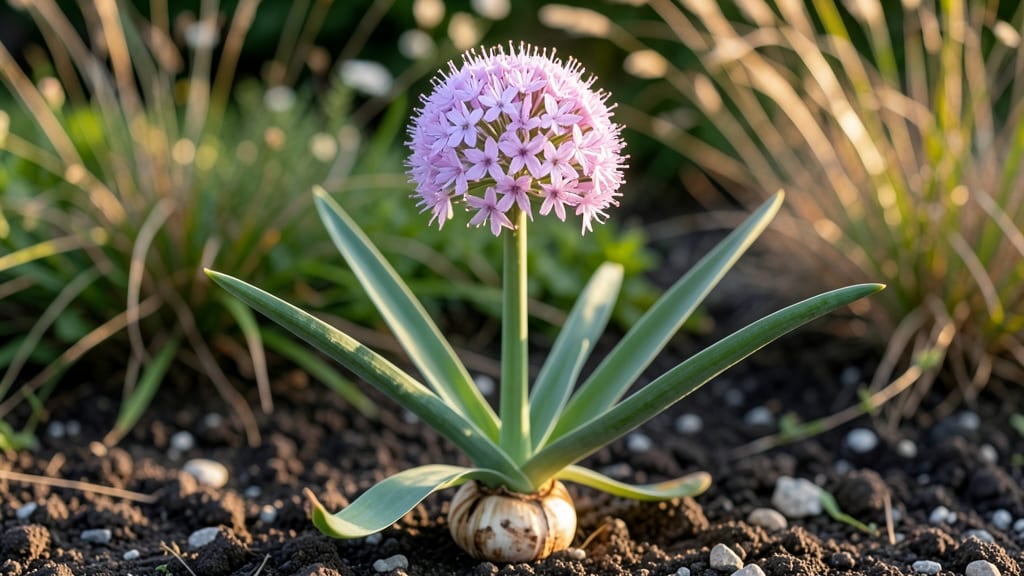
The allium bloom time transforms your garden into a cloud of 🌸 in just 90–150 days when soil temperatures hit 50°F–75°F during spring. Want to know exactly when your alliums will burst into flower so you can plan your garden’s show-stopping moments?
Heat exposure triggers their bloom cycles—and understanding these stages can help you coax earlier, more vibrant blooms from your favorite varieties.
Some alliums, like Allium sphaerocephalon, bloom in as little as 60 days, while others, such as Allium giganteum, take nearly twice as long. The difference comes down to sunlight, soil warmth, and even planting depth—all factors you can tweak to speed up the process.
Below, I break down the heat-triggered stages of blooming, rank the fastest varieties for your climate, and share pro tips to get those 🌸 popping earlier than ever.
Heat-triggered bloom stages in alliums: when and how they flower
Alliums are masters of timing, using temperature cues to trigger their dramatic bloom cycles. Understanding these heat-triggered stages lets you predict—and even accelerate—when your globe, ornamental, or edible alliums will put on their best floral show.
Most varieties need consistent warmth between 50°F and 75°F to transition from vegetative growth to flowering.
Each allium variety follows a three-phase bloom cycle: vegetative growth (bulb establishment), pre-flowering (stem elongation), and flowering (bud opening). The speed of these stages depends on your local climate and how you prepare the soil.
For example, Allium sphaerocephalon (drumstick allium) blooms in as little as 60 days with ideal warmth, while Allium giganteum may take 120+ days.
Here’s how temperature thresholds influence each stage—and how to optimize them for earlier blooms:
| Allium Type | Vegetative Stage (Days) | Pre-Flowering Stage (Days) | Flowering Stage (Days) | Total Bloom Time | Optimal Temp Range (°F) |
|---|---|---|---|---|---|
| Globe Alliums (e.g., Allium 'Globemaster') | 45–60 days | 20–30 days | 14–21 days | 79–111 days | 55°F–70°F |
| Ornamental Alliums (e.g., Allium 'Purple Sensation') | 60–75 days | 25–35 days | 21–28 days | 106–138 days | 50°F–65°F |
| Edible Alliums (e.g., Allium schoenoprasum - chives) | 30–45 days | 14–21 days | 7–14 days | 51–80 days | 60°F–75°F |
| Tall Species (e.g., Allium giganteum) | 90–120 days | 40–50 days | 28–35 days | 158–205 days | 45°F–60°F |
*Note: Days vary by planting time and local microclimate. Warmer springs shorten vegetative stages.
The vegetative stage is where alliums build their energy reserves. If your soil stays below 50°F for too long, growth stalls—delaying everything else. To speed this up, plant bulbs in well-draining soil enriched with compost and mulch with straw to retain heat.
In cooler climates, use black plastic mulch to raise soil temperatures by 5–10°F.
During pre-flowering, stems elongate rapidly when nighttime temps stay above 55°F. This is the stage most sensitive to heat fluctuations. If nights dip below 50°F, stems may grow leggy or fail to thicken properly.
To prevent this, choose late-winter planting (February–March) in cold regions or use row covers for a 2–3 week boost.
The flowering stage begins when daytime temps hit 65°F+ consistently. Globe alliums often bloom in late spring (April–May), while taller varieties like Allium 'Haarlem Pearl' may wait until early summer.
To extend bloom time, deadhead spent flowers to redirect energy to next year’s buds—but leave some seed heads for wildlife.
Regional differences matter! In Zone 5 or colder, plant bulbs in fall (September–October) for a spring bloom. In Zones 7–9, spring planting (March–April) works better, with blooms appearing 2–3 weeks earlier due to longer growing seasons.
For container gardening, use heat-loving varieties like Allium 'Millenium' and place pots in south-facing spots.
Pro tip: If your alliums aren’t blooming on time, check for overcrowding or nutrient deficiencies. A light application of phosphorus-rich fertilizer (like 5-10-10) at planting can jumpstart flowering. Just avoid nitrogen-heavy feeds—too much leafy growth delays blooms.
Heat waves can also play a role. While alliums thrive in warmth, prolonged temps above 85°F may cause buds to bolt prematurely or fail to open. Provide afternoon shade with lightweight shade cloth (30–50% coverage) if your summer heat exceeds 90°F for weeks at a time.
Plan your garden’s allium sequence by variety! Pair early bloomers like chives with late-season stars like Allium 'Mount Everest' (which blooms in June–July). This creates a continuous floral display from spring through summer, attracting pollinators like bees and butterflies all season long.
🌸
Fastest-blooming Allium varieties for warm climates: bloom time ranking
If you're growing alliums in warm climates, timing is everything. Some varieties burst into bloom in just 60 days, while others take 120+ days. The key? Choosing the right heat-tolerant alliums and planting them at the perfect window to maximize their potential.
In my Zone 9 garden, I’ve found that early-season alliums like Allium sphaerocephalon thrive when planted in late summer for fall blooms, while others like Allium christophii perform best in early spring plantings. Let’s dive into the fastest bloomers and their heat tolerance ratings.
For the fastest blooms, Allium sphaerocephalon (also called drumstick allium) is my top pick. It blooms in just 60 days and thrives in full sun with well-draining soil. I’ve seen it pop up in my garden by early October when planted in late July.
If you’re aiming for spring blooms, Allium cristophii is a close second, flowering in 75 days. It’s also drought-tolerant once established, making it perfect for low-water gardens. I plant mine in February to catch the early spring show.
For a longer-lasting display, Allium roseum (pink allium) blooms in 90 days and produces clusters of delicate pink flowers. It’s ideal for cut flower arrangements and pairs beautifully with lavender or salvia.
Pro tip: To push blooms even faster, mulch heavily after planting to retain soil moisture and warmth. I use straw mulch in my warm climate, which helps the bulbs establish roots quickly and triggers earlier flowering.