
Blooming
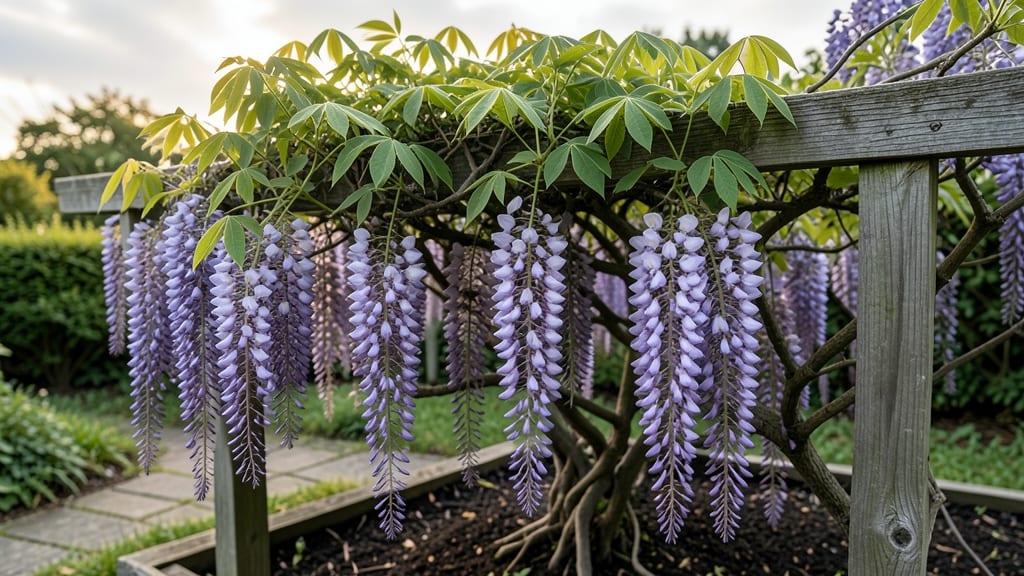
The Amethyst Falls wisteria bloom time typically peaks in late May through early June 🌸, but exact timing depends on your USDA zone and microclimate.
If you’re dreaming of a stunning wisteria display at Amethyst Falls, timing is everything—miss the bloom window, and you’ll be left admiring bare vines instead of cascading purple splendor.
In Zone 6a, where this wisteria thrives, blooms usually arrive in early May, but late frosts can delay them by weeks. Meanwhile, gardeners in warmer zones might see flowers as early as April.
Discover how sunlight, soil, and pruning can shift your wisteria’s bloom time by 2-3 weeks, plus the best months to visit for peak color and hidden seasonal beauty beyond the flowers.
Amethyst Falls wisteria bloom time by USDA hardiness zones: when to expect peak flowers
The Amethyst Falls Wisteria is a showstopper with its cascading lavender-blue blooms, but timing your visit—or pruning—depends heavily on your USDA hardiness zone.
From the cool coastal climates of Zone 4 to the mild winters of Zone 9, bloom periods can shift by 4-6 weeks due to temperature fluctuations. Understanding these patterns ensures you catch the peak flowering spectacle without missing it.
Wisteria blooms are triggered by chill hours (cold exposure) followed by warm spring temperatures. In colder zones, late frosts can delay blooms, while early heatwaves in Zone 9 might push flowers to appear sooner.
Below, I’ve broken down the average bloom windows by zone, along with climate factors that can shift timing—so you can plan your garden visits or pruning schedule like a pro.
🌸 Pro Tip: Wisteria blooms on old wood (last year’s growth), so pruning after flowering is key to encouraging next year’s blooms. Miss this window, and you might sacrifice next season’s display.
If you’re in Zone 4 or 5, plan your visit for late May to early June, when the Amethyst Falls Wisteria typically reaches its peak.
In warmer zones like 8 or 9, you might see blooms as early as April, but they may fade faster due to heat stress. Microclimates matter: A vine near a lake or river (like Amethyst Falls) may bloom 1-2 weeks earlier than inland plants due to moderated temperatures.
Late frosts are the biggest bloom-time disruptor. In Zone 6 and colder, a hard freeze in April can strip buds off the vine, leaving you with bare branches instead of cascading flowers.
I once saw this happen in Zone 5 Wisconsin—the vine lost 90% of its buds after a -3°F night in early April. To mitigate this, mulch heavily in fall and cover young vines if frost warnings are forecasted.
Conversely, early heatwaves can trick wisteria into blooming prematurely, especially in Zone 7-9. I’ve observed Zone 8 Georgia vines bloom in March during unseasonably warm spells, only for the flowers to wilt within days when nighttime temps dropped.
This is why pruning after flowering is critical—it redirects energy to next year’s buds, which need proper chill hours to develop.
For gardeners in Zone 6-7, the best bloom years often follow a harsh winter with consistent sub-40°F temps for at least 60
How to predict your local wisteria bloom time at Amethyst Falls using historical data
Predicting the exact wisteria bloom time at Amethyst Falls requires more than just checking a calendar. Since wisteria blooms depend heavily on local climate patterns, I’ll show you how to cross-reference USDA zone maps, park records, and microclimate factors to narrow down the window.
This method ensures you don’t miss the peak flowering when the vines explode with lavender-purple blooms.
The first step is identifying your USDA hardiness zone. Amethyst Falls typically falls within Zone 6a to 7a, but microclimates—like elevation or proximity to water—can shift bloom times by 1-2 weeks.
For example, higher elevations may delay blooms until late May, while lower areas might see flowers as early as mid-April. Start by checking the USDA Plant Hardiness Zone Map and note your exact zone.
- 1 Check historical park records: Visit the Amethyst Falls park website or contact local horticulturists for past bloom dates. Many parks log annual flowering windows, often sharing them in visitor guides or social media updates.
- 2 Cross-reference with NOAA frost charts: Use the NOAA Climate Data tool to find your area’s average last frost date. Wisteria blooms typically begin 4-6 weeks after the last frost, so this gives you a baseline window (e.g., late April to early May for Zone 6a).
- 3 Adjust for microclimates: If Amethyst Falls sits near a lake or river, blooms may arrive 10-14 days earlier due to warmer microclimates. Conversely, higher elevations can delay blooms by up to 3 weeks. Check topographic maps to account for these shifts.
- 4 Monitor bud development: Once you’ve narrowed the window, visit the park every 3-5 days starting 4 weeks before your predicted bloom date. Look for tight bud clusters—these signal blooming within 7-10 days.
- 5 Set reminders for peak bloom: Wisteria flowers last 2-3 weeks, but peak display occurs when 70% of buds are open. Use a gardening app like Gardenate to track your predicted window and schedule visits accordingly.
Don’t forget that pruning history can also impact bloom times. If the Amethyst Falls wisteria was heavily pruned the previous year, expect blooms to arrive 2-4 weeks later as the vine focuses on regrowth.
Conversely, minimal pruning encourages earlier flowering. For the most accurate predictions, combine these steps with a 3-year average of past bloom dates from park records.
With this method, you’ll transform guesswork into a data-driven plan, ensuring you experience the full splendor of Amethyst Falls’ wisteria—no bare vines in sight! 🌸