
Flowers
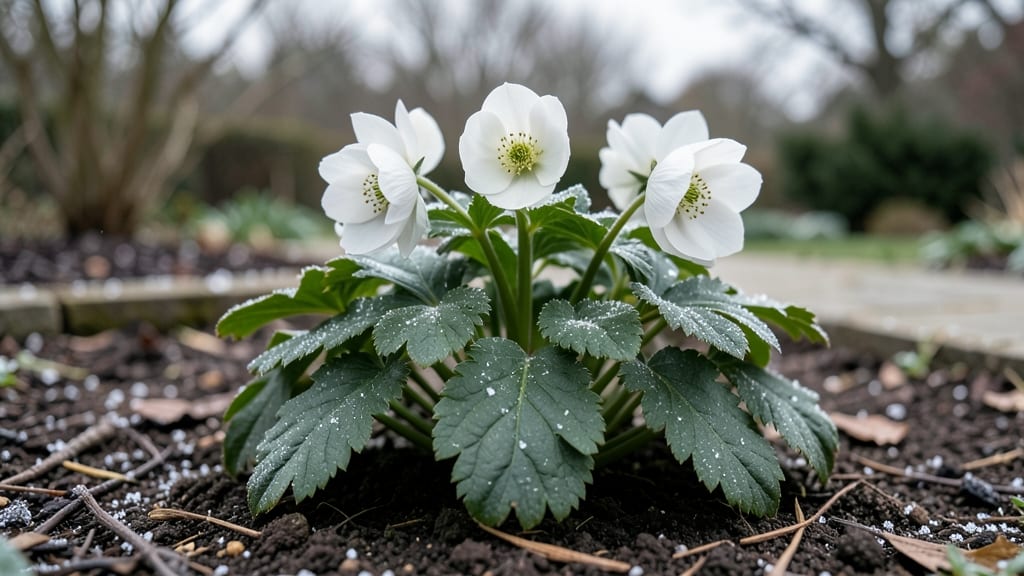
Are there flowers that bloom in winter? The answer is a resounding yes, and they bring vibrant color when most gardens fade, proving frost isn’t the end of the season’s beauty.
Picture this: snow dusting the ground while delicate pansies and hardy camellias burst into bloom, their petals unfurling against the cold. Many gardeners assume winter means dormancy, but these resilient varieties thrive in chilly temperatures, offering a lifeline of color when you need it most.
From the USDA Zone 3 hardiness of snowdrops to the tropical charm of winter jasmine in Zone 8, these flowers don’t just survive—they shine.
Whether you’re designing a winter wonderland or simply want to extend your garden’s season, these cold-resistant stars deliver without the fuss of greenhouses or heat lamps.
In this guide, I’ll walk you through the top 10 winter bloomers, how to pair them for year-round interest, and the simple care tricks that keep them flourishing when others retreat. No more gray winters—just vibrant blooms waiting for you.
Top 10 cold-hardy flowers that bloom in winter (with USDA Zone guide)
Winter gardens often feel barren, but nature surprises us with cold-hardy flowers that thrive in frost and snow. These resilient bloomers not only survive winter but also brighten up the coldest months with stunning colors.
Whether you're in USDA Zone 3 or Zone 10, there are winter flowers perfect for your climate.
From delicate snowdrops to bold camellias, these plants defy seasonal expectations. Their secret? Adapted biology that allows them to bloom when most gardens sleep. Let's explore the top 10 winter-blooming flowers and how to grow them successfully in your zone.
| Flower Name | USDA Zones | Bloom Time | Colors | Sun Needs |
|---|---|---|---|---|
| Hellebores | 3-9 | Late Winter | White, Pink, Purple | Partial Shade |
| Winter Aconite | 3-8 | Early Winter | Yellow | Full Sun |
| Snowdrops | 3-9 | Late Winter | White, Green | Partial Shade |
| Camellias | 7-10 | Winter-Spring | Pink, Red, White | Partial Shade |
| Winter Jasmine | 5-9 | Late Winter | Yellow | Full Sun |
| Pansies | 5-10 | Winter-Spring | Multi-Colored | Full Sun-Partial Shade |
| Winter Honeysuckle | 4-9 | Late Winter | Yellow | Full Sun |
| Crocuses | 3-8 | Early Winter | Purple, White, Yellow | Full Sun |
| Daffodils | 3-10 | Late Winter | Yellow, White, Orange | Full Sun |
| Mahonia | 5-9 | Winter | Yellow | Partial Shade |
Each of these winter-blooming flowers offers unique beauty and seasonal interest. For example, helleborus (hellebores) thrives in USDA Zones 3-9 and blooms from late winter into early spring. Their cupped flowers come in shades of white, pink, and purple, adding elegance to shady garden spots.
If you're in warmer zones like 7-10, consider camellias or pansies. Camellias provide lush, glossy foliage and long-lasting blooms from winter through spring. Meanwhile, pansies offer a cheerful mix of colors and tolerate light frost, making them ideal for container gardens.
For full sun lovers, winter jasmine and winter aconite are excellent choices. Winter jasmine's bright yellow flowers appear on bare stems, creating a striking contrast against winter skies. Meanwhile, winter aconite is one of the earliest bloomers, often popping up in
How to create a stunning winter garden: design tips and plant pairings
Winter gardens thrive when you blend frost-resistant flowers with evergreens and structural plants to create visual interest. The key is layering plants by height and texture, while ensuring their sunlight and soil needs align.
Start with a moisture-retentive soil base enriched with compost—this helps roots withstand cold snaps while providing nutrients for blooms.
For a low-maintenance winter display, focus on three plant layers: tall structural plants (like boxwood or holly), mid-height shrubs (such as winter jasmine or camellias), and ground covers (heuchera or winter aconite). This creates depth and draws the eye upward, making your garden feel lush even in frost.
🌱 STYLED LIST: WINTER GARDEN DESIGN ESSENTIALS
- 🌿 Layer 1 (Back): Evergreens like boxwood or holly (3-6 ft) for year-round structure
- 🌹 Layer 2 (Mid): Winter bloomers such as camellias or winter jasmine (2-4 ft) for color
- 🌱 Layer 3 (Front): Ground covers like heuchera or snowdrops (6-12 in) for texture
- ☀️ Sunlight Zones: Group plants by light needs (e.g., full sun for hellebores, partial shade for pansies)
- 💧 Soil Prep: Amend with organic matter (compost/peat) to improve drainage and moisture retention
- ✂️ Pruning Tip: Trim dead foliage in early spring to encourage new growth
Color coordination is easier than you think! Pair white blooms (like winter jasmine) with deep green foliage (eucalyptus) for contrast, or mix purple pansies with silver-blue heuchera for a cool palette. Add ornamental grasses (e.g., Miscanthus) for movement and texture—even in still air, they sway beautifully in winter light.
Don’t overlook seasonal accents like pinecones, birch branches, or frost-kissed berries (e.g., Ilex) to add natural decor. Place them strategically near seating areas or garden entrances to create focal points. These elements also provide winter interest when flowers are dormant, keeping your garden dynamic year-round.
Protect tender winter bloomers with a lightweight frost cloth during unexpected freezes, especially for tropical varieties like camellias in Zone 7. Mulch heavily (3-4 inches) with straw or shredded leaves to insulate roots. This simple step can extend bloom times by 2-3 weeks in marginal climates.
Finally, water sparingly but deeply—once every 10-14 days unless temperatures drop below 20°F. Frost can lock moisture in soil, so avoid overwatering. A drip irrigation system on a timer ensures consistent hydration without waste, keeping your winter garden thriving with minimal effort.