
Blooming
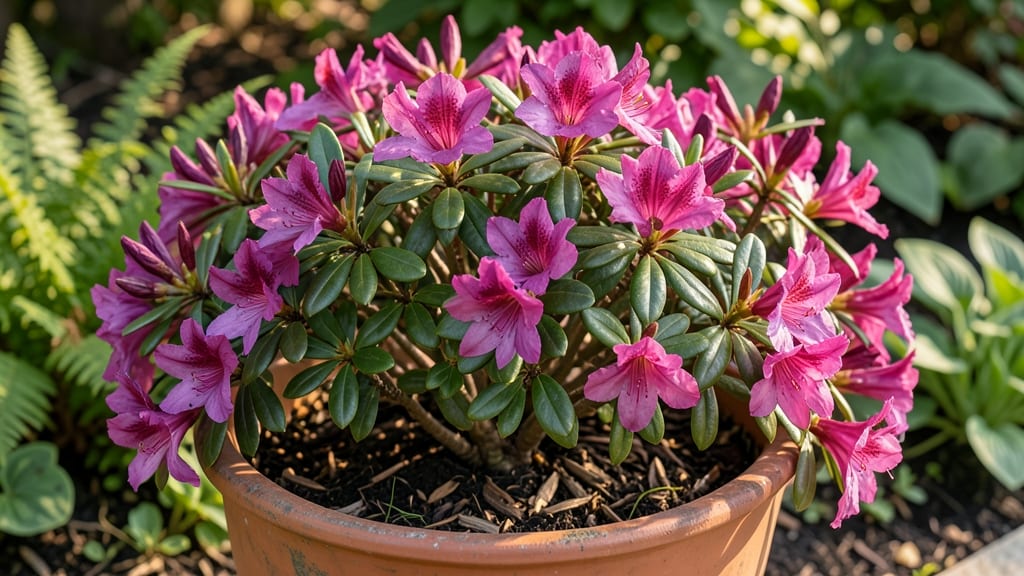
Azalea bloom time isn’t just about spring—it’s about knowing your zone and variety. 🌸 My early-season azaleas burst into color by mid-April in Zone 6, while late varieties linger until June, giving us months of purple splendor.
The timing shifts dramatically across regions, from late winter in the South to late spring in cooler climates.
Sunlight, pruning, and winter chilling hours all play a role in when your azaleas wake up. Too much shade delays blooms, while aggressive pruning right after flowering can rob next year’s show.
In my garden, the key has been light trimming after blooms fade—just enough to shape without sacrificing next season’s buds.
You’ll extend that vibrant display by deadheading spent flowers and feeding with acid-loving fertilizer in early spring. My azaleas now bloom for 6-8 weeks straight, with some late varieties even reblooming in fall if given the right care. The secret? Mimicking their natural woodland habitat—moist, acidic soil and dappled shade.
Whether you’re in the Deep South or the Pacific Northwest, this zone-specific approach works. The post-bloom care—like mulching and monitoring soil pH—keeps them thriving year after year. Let’s make your azaleas the star of every season.
📚 In This Guide
- What you need
- Instructions
- Tips and common mistakes
- Wrapping up and next steps
What you need
- ● Azalea plants: Choose Rhododendron varieties suited to your zone (e.g., R. indicum for Zones 7–9, R. canescens for Zones 5–8). Opt for 3–5 gallon pots or mature plants for best results.
- ● Well-draining acidic soil: Aim for a pH of 4.5–6.0. Mix 2 parts peat moss or pine bark with 1 part perlite/sand for optimal drainage.
- ● Organic mulch: 3–4 inches of pine straw, oak leaves, or wood chips to retain moisture and acidify soil.
- ● Slow-release fertilizer: 10–10–10 or 12–4–8 NPK ratio, 1–2 pounds per 100 sq ft, applied in early spring.
- ● Watering can or hose with a gentle spray nozzle: Azaleas detest soggy roots—avoid overhead watering.
- ● Garden trowel or spade: For planting or amending soil.
- ○ pH testing kit: To monitor soil acidity (optional but highly recommended).
- ● Pruning shears: Sharp, sterilized for shaping after blooming (avoid cutting into old wood).
- ○ Sun/light meter (optional): To confirm your garden gets partial shade (morning sun, afternoon shade), ideal for most azaleas.
- ● Zone-specific bloom calendar: Print or bookmark our zone-by-zone azalea bloom guide to track peak times!
How to time azalea blooms for your climate zone
Predicting azalea blooms isn’t guesswork—it’s about reading your zone’s seasonal cues.
🌿 Step 1: Identify Your USDA Hardiness Zone and Azalea Type
Azaleas bloom based on two key factors: your USDA zone and whether your shrub is an early or late variety. Early bloomers (like Rhododendron prinophyllum) typically open 2-3 weeks before late varieties (such as Rhododendron indicum). Check your zone—most azaleas thrive in zones 4-9, with bloom windows shifting 3-4 weeks earlier in warmer zones.
Here’s the rule of thumb: In zones 7-9, blooms peak in late April to early May. In zones 4-6, expect late May to June. Write your zone number on your calendar now—it’s your first clue for timing.
☀️ Step 2: Track Last Year’s Bloom Dates
Azaleas are finicky about sunlight and soil pH, so last year’s bloom time is your best predictor. If your shrub bloomed in mid-May last year, it’ll likely repeat that pattern unless you’ve made soil or light changes. Note whether blooms lasted 2-3 weeks (typical) or stretched longer—this tells you if your plant is healthy or stressed.
I always mark bloom start/end dates on my garden journal. If blooms were sparse, I check soil pH (azaleas need 4.5-6.0
Azaleas need 300-900 hours of chilling below 45°F to set buds. In zones 6-7, this usually happens by late February. In zones 8-9, wait until early March—warmer winters can delay bud formation. Watch your local weather: if temperatures stay above 50°F for weeks, your azalea may skip blooming entirely. Here’s the trick: If buds form but don’t open, your plant may need more sunlight. Azaleas in partial shade (3-6 hours of morning sun) bloom best. Too much afternoon sun can scorch buds before they open. Once buds appear (usually 4-6 weeks before blooming), increase watering to 1 inch per week. Dry soil stresses buds, causing them to drop. I water deeply twice weekly in dry spells, focusing on the root zone. Mulch with 2-3 inches of pine bark to retain moisture and mimic their native woodland floor. Watch for bud drop—this is your plant’s way of saying “stress.” If you see buds falling, check for pests (like lace bugs) or sudden temperature swings. A sudden 80°F+ day after a cold snap can shock buds into dropping. To prolong blooms, deadhead spent flowers immediately—this redirects energy to next year’s buds. For a second flush of blooms, prune lightly after the first wave fades. Avoid heavy pruning; azaleas bloom on old wood, so cutting back hard removes next year’s flowers. Here’s my secret: A light application of balanced fertilizer (10-10-10) in early spring boosts blooms without overfeeding. Too much nitrogen = lush leaves, few flowers. Adjust based on your zone—zone 9 azaleas may need a second feeding in late summer for fall blooms.⏰ Step 3: Monitor Cool Season Chilling Requirements
💧 Step 4: Adjust Watering as Buds Form
🌸 Step 5: Extend Bloom Time with Strategic Care
Tips & tricks for perfect azalea bloom timing
Timing azalea blooms isn't just about luck—it's about understanding your climate's hidden signals. Here's how to get it right every season.
Zone-Specific Chilling Hours: Those 300-900 hours below 45°F are non-negotiable for bud formation. In zones 6-7, track your winter chill hours using a simple weather app—most areas hit this threshold by late February. Zone 8-9 gardeners should wait until early March, as warmer winters often delay bud set. I keep a small chalkboard in my garage to log daily lows below 45°F—it's become my secret weapon for predicting bloom windows.
Sunlight Strategy: The 3-6 hours of morning sun rule is crucial, but here's what nobody tells you: afternoon sun exposure varies by zone. In zones 7-9, I move my azaleas to slightly more shade by late afternoon to prevent bud scorch. Watch for leaf edges turning yellow—this is your plant's SOS signal. A simple shade cloth (30% block) draped over the east side works wonders without sacrificing light entirely.
Watering Precision: When buds appear 4-6 weeks before blooming, switch to your 1-inch-per-week rule—but here's the pro move: use a rain gauge to measure accurately. I place mine near my azaleas and adjust my watering schedule accordingly. The key is consistency—sudden dry spells cause buds to drop faster than you can say "lace bug infestation." Mulch with 2-3 inches of pine bark to lock in that moisture, and you'll notice fewer stressed buds.
Fertilizer Timing: That 10-10-10 balanced fertilizer in early spring is perfect, but zone 9 gardeners need to know: apply half the dose in late summer for fall blooms. The trick is to fertilize when new growth appears—this tells you your plant is ready for nutrients. I always mix my fertilizer with the top inch of soil rather than broadcasting it, which prevents root burn and gives my azaleas a steady nutrient supply.
Pro Tips for Azalea Bloom Time
- Timing azalea blooms isn't just about luck—it's about understanding your climate's hidden signals.
- Zone-Specific Chilling Hours: Those 300-900 hours below 45°F are non-negotiable for bud formation.
- Sunlight Strategy: The 3-6 hours of morning sun rule is crucial, but here's what nobody tells you: afternoon sun exposure varies by zone.
Frequently asked questions
about azalea bloom time—because every gardener deserves clarity before the purple magic unfolds!When is the exact bloom time for azaleas in my hardiness zone?
Azaleas bloom based on late winter to early spring cues, but timing varies by zone. For example:
- Zones 6-7: Late April to early May (after last frost).
- Zones 8-9: February to March (milder winters trigger earlier blooms).
- Zones 10+: December to February (year-round bloomers like Rhododendron simsii may flower twice!).
Why did my azalea bloom late this year—or not at all?
Late or skipped blooms often stem from stress factors. Common culprits:
- Cold snaps: Buds form in summer/fall—late freezes can damage them.
- Too much sun: Azaleas prefer partial shade; scorching heat can halt blooms.
- Water stress: Over- or under-watering disrupts nutrient flow to buds.
- Over-fertilizing: Too much nitrogen = leafy growth, fewer flowers.
Can I force azaleas to bloom earlier or later?
While you can’t control Mother Nature, you can nudge timing with these tricks:
- Chill hours: Azaleas need 200–1,000 hours below 45°F to bloom. In warm zones, use shade cloth or move pots to cooler spots.
- Light exposure: Gradually increase sunlight in late winter to signal blooming.
- Warning: Forcing early blooms risks frost damage. Play it safe!
What if my azalea blooms are small or pale?
Vibrant blooms need balanced care. Fix dull or tiny flowers with:
- Acidic soil: Test pH (aim for 4.5–6.0). Amend with peat moss or sulfur if needed.
- Nutrients: Use a low-nitrogen, high-phosphorus fertilizer (like 10-30-20) in early spring.
- Avoid: Lime or alkaline soil—it locks out iron, causing pale blooms.
Are there azalea varieties that bloom outside the typical season?
If you crave off-season color, try these standouts:
Variety
Bloom Time
Zone Range
Rhododendron ‘Girard’s Pink’
Late winter (Feb–March)
5–9
Rhododendron ‘Hino Crimson’
Fall + Spring (Sep + Apr)
6–9
Rhododendron ‘Bow Bells’
Year-round (tropical!)
10–11
Wrapping up and next steps
Watching your azaleas burst into vibrant bloom is pure magic—whether you’re in the mild South or chilly North, timing is everything! 🌸 Now that you know the zone-specific bloom windows and how to nurture your plants for peak splendor, it’s time to roll up your sleeves. Start by marking your calendar with your azalea’s expected bloom time, then treat yourself to a front-row seat for nature’s colorful show.
Need to go the extra mile? Experiment with container gardening or extend the season by choosing early- or late-blooming varieties. Happy gardening—your purple paradise awaits! 🌿