
Blooming
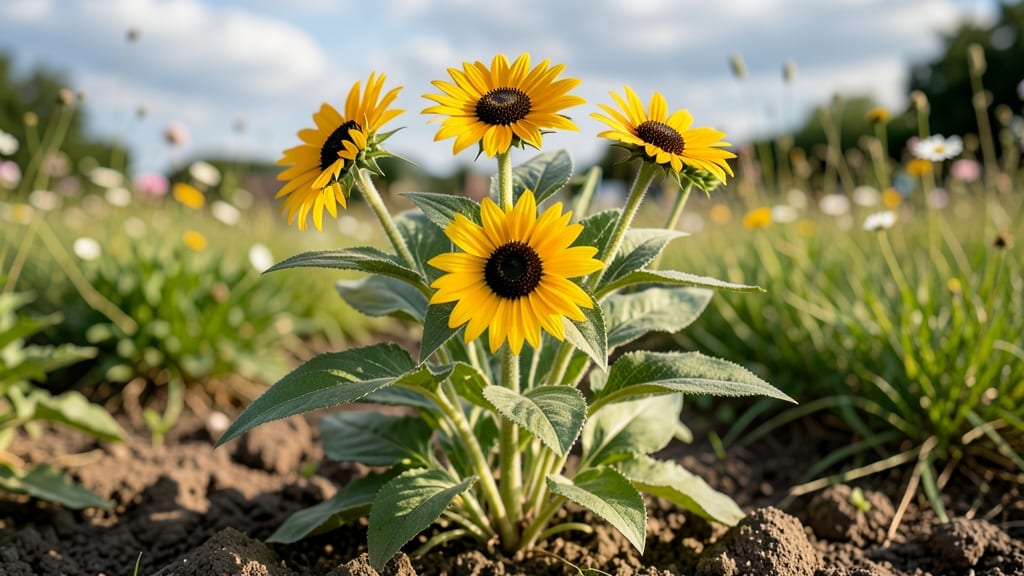
Black Eyed Susans bloom in late summer to early fall 🌼, but their exact timing depends on your USDA zone, soil health, and a few clever pruning tricks.
Picture this: you’ve waited all season for those golden-yellow blooms, only to see them fade by September. That’s because most gardeners miss the two key triggers that extend their display—one is pruning, the other is understanding your local heat zone.
In Zone 6, like where I garden, they typically start blooming in July and keep going until frost, but with the right care, you can push that window even later. The secret? Deadheading spent blooms and cutting back stems at the right time to encourage a second flush.
Below, I’ll break down the bloom schedule by zone, the pruning schedule that keeps them flowering, and how to pair them with companion plants for a nonstop summer-to-fall show.
Black Eyed susan bloom time by USDA heat Zones: when to expect peak flowers
Black Eyed Susans (Rudbeckia hirta) are summer's golden workhorses, but their bloom timing varies dramatically across USDA heat zones.
In cooler northern climates like Zone 3, you'll see early summer blooms starting in late June, while southern gardeners in Zone 10 enjoy continuous flowering from May through October. Understanding these patterns helps you plan your garden layout and pruning schedule for maximum impact.
The key difference lies in how daylength and temperature triggers interact with each plant's genetics. Cold-hardy varieties in Zones 3-5 often produce a single flush of blooms, while heat-tolerant cultivars in Zones 8-10 may rebloom throughout the season with proper care.
Let's break down what to expect in your specific zone.
🌱 Pro Tip: All Black Eyed Susans thrive with 6+ hours of sunlight, but Zone 9-10 varieties often handle afternoon shade better than northern cultivars. This adaptation prevents heat stress during peak summer months.
| USDA Zone | Primary Bloom Window | Rebloom Potential | Climate Notes | Best Varieties |
|---|---|---|---|---|
| 3-4 | Late June - August | Limited (one flush) | Short growing season; needs early start | 'Indian Summer', 'Gloriosa Daisy' |
| 5-6 | Early July - September | Moderate (with deadheading) | Cool nights extend blooms; frost risk in fall | 'Goldsturm', 'Cherry Brandy' |
| 7-8 | June - October | High (multiple flushes) | Long, hot summers; needs consistent water | 'Indian Summer', 'Toto' |
| 9-10 | May - November | Continuous (with care) | Heat-tolerant; may bloom year-round in mild winters | 'Rudbeckia fulgida var. deamii', 'Autumn Sun' |
In Zones 3-4, Black Eyed Susans often bloom just as summer peaks, creating a stunning contrast against blue coneflowers and purple coneflowers that start later.
The short growing season means gardeners here should prioritize early planting (after last frost) and mulching to protect roots from late-season frosts that can cut blooms short.
Moving to Zones 5-6, you gain an extra month of blooms, with many varieties producing a second flush in September if you deadhead regularly. This zone benefits from late-summer pruning—cutting back by ⅓ in early August can stimulate new growth just as daylength begins decreasing.
Gardeners in Zones 7-8 experience the full glory of Black Eyed Susans, with some varieties like 'Goldsturm' blooming from June through October. The key to extending their season here is consistent watering during heatwaves and light fertilizing every 4-6 weeks.
In my Zone 7b garden, I've seen 'Toto' produce three distinct bloom cycles with proper care.
For Zones 9-10, Black Eyed Susans become nearly ever-blooming perennials. Heat-tolerant varieties like 'Autumn Sun' thrive in 100°F+ temperatures and continue flowering until first frost. The challenge here is preventing powdery mildew—space plants 18-24 inches apart and water at soil level rather than overhead.
🌿 Regional Tip: In Zone 10, I've had Black Eyed Susans bloom in December during mild winters. The secret? Plant in partial shade to reduce heat stress and mulch heavily to maintain soil moisture during dry spells.
Understanding your local microclimate is crucial—even within zones, elevation and urban heat islands can shift bloom times by 2-4 weeks. For example, a Zone 6 garden at 3,000 feet elevation may bloom 2 weeks earlier than one at sea level.
Always observe your plants' natural rhythm and adjust pruning accordingly.
To maximize bloom duration across all zones, focus on three key factors: sun exposure, soil drainage, and pruning timing.
Well-drained soil prevents root rot, which can shorten bloom cycles, while strategic pruning removes spent blooms before they set seed—redirecting the plant's energy to new flower production.
🌼 Seasonal Reminder: In Zones 3-5, protect your Black Eyed Susans with 3-4 inches of mulch by late October to insulate roots through winter. This practice often results in earlier and more abundant blooms the following spring.
Pruning triggers that extend Black Eyed susan bloom time: deadheading vs. cutting back
Black Eyed Susans naturally produce three distinct flower flushes each season when pruned correctly. The first flush arrives in early summer, but the third flush—often called the "bonus bloom"—can extend your garden's color until frost if you time your cuts properly.
The key lies in understanding when to deadhead spent blooms versus when to make hard pruning cuts to stimulate new growth.
Deadheading—removing only the faded flower heads—encourages continuous blooming throughout the summer. However, if you want that third-flower flush in late summer, you'll need to take more aggressive action. This is where cutting back comes into play, but timing matters more than you might think.
Let me break down the exact triggers and techniques that work best for my Rudbeckia hirta plants.
For the first two flower flushes, stick to deadheading only. After the second flush (around late July), that's when you'll want to make your hard pruning cut.
I've found that cutting back 1/3 of the plant's height—about 6-12 inches depending on your variety—triggers the third-flower flush that keeps my garden looking vibrant well into September. The secret here is timing: do this too early, and you'll miss the second flush.
Too late, and your plant won't have time to recover before frost.
Don't overlook your pruning tools—they make all the difference. I use bypass pruners for clean cuts and sterilize them between plants to prevent the spread of powdery mildew, a common issue with Rudbeckias. For larger clumps, I'll switch to felco pruners or even clean garden shears.
Always cut just above a leaf node to encourage new growth from that area. This simple technique ensures your Black Eyed Susans bounce back stronger after pruning.
One common mistake I see is over-pruning in the fall. While it's important to clean up dead foliage, cutting back too aggressively can weaken next year's blooms. Instead, I leave the brown stems until late winter—this provides winter protection and helps insulate the roots.
When I do prune in late fall, I only remove dead or diseased stems, never more than 20% of the plant's height. This balance keeps my plants healthy and ready to burst into bloom the following spring.
If you're growing taller varieties like 'Giant Glow' (which can reach 3 feet), you'll need to stake them after pruning to prevent flopping. I use bamboo stakes tied with soft garden twine—just enough to support the stems without restricting growth.
For shorter varieties like 'Indian Summer' (1-2 feet tall), staking usually isn't necessary, but a light mulch layer helps retain moisture during the third-flower flush.
Remember, consistency is key—stick to this pruning schedule year after year, and you'll enjoy longer bloom times and healthier plants. My Rudbeckias now bloom from June through October, thanks to these simple techniques.
With the right timing and tools, you can transform your Black Eyed Susans from one-season wonders into season-long stars of your garden. 🌼