
Blooming
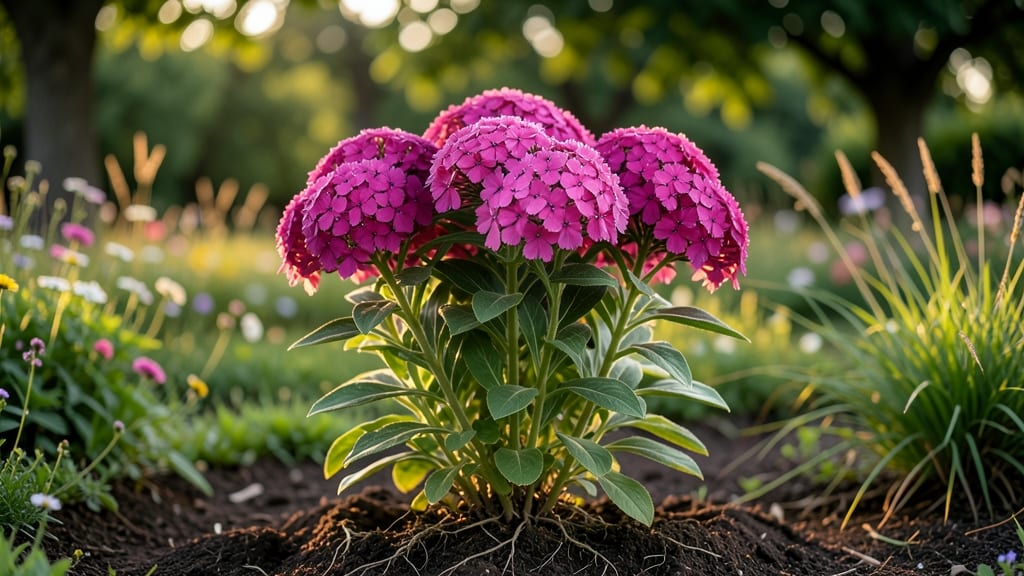
Garden phlox blooms in late spring to early fall 🌸, turning yards into bursts of color—but timing can vary wildly depending on where you live and how you care for them.
If you love vibrant summer blooms but dread losing your garden phlox to late frosts, you’ll want to know which cold-hardy varieties not only survive but thrive—rebounding with stunning color even after winter’s chill.
The secret lies in choosing the right varieties for your USDA Zone 6a climate, giving them the right sunlight and soil, and a little strategic pruning to keep them flowering longer.
Below, I’ll break down when to expect blooms, how frost affects timing, and the top 5 frost-resistant varieties that bounce back with minimal fuss.
When and how long garden phlox blooms after frost damage
Garden phlox is one of those showstopping summer flowers that can turn your yard into a fragrant paradise—but only if you understand its post-frost recovery patterns. Many gardeners assume frost kills phlox, but cold-hardy varieties often bounce back with even more vigor.
The key is knowing when to expect blooms after winter damage and how to maximize their second flush of flowers.
Most phlox varieties bloom for 2 to 4 weeks in late spring to early summer, but reblooming types can extend this to 6-8 weeks with proper care. After frost, expect a delay of 2-4 weeks before new growth emerges, depending on your USDA hardiness zone and variety.
For example, 'David’ phlox (a perennial favorite) often recovers faster in Zones 4-7 than tall garden phlox, which may need extra protection.
Temperature fluctuations play a critical role in phlox bloom timing. A hard frost in late spring can damage new shoots, setting back blooms by 10-14 days. However, once temperatures stabilize above 50°F (10°C), most phlox varieties rebound quickly, especially if they’ve been properly mulched over winter.
In cooler climates (Zones 3-5), early varieties like 'Blue Ridge’ may bloom as early as late May, while late-season types like 'Lipstick’ might not peak until July.
| Variety | Bloom Time After Frost | Average Bloom Duration | Rebloom Potential | Hardiness Zone |
|---|---|---|---|---|
| 'David' | Late May - Early June | 3-4 weeks | High (with deadheading) | 3-7 |
| 'Blue Ridge' | Early June | 2-3 weeks | Moderate | 4-8 |
| 'Jeana' | Mid-June | 4 weeks | Very High | 4-7 |
| 'Lipstick' | Late June - Early July | 3 weeks | Moderate (needs pruning) | 5-9 |
| Tall Garden Phlox | Early to Mid-June | 2-3 weeks | Low (single bloom) | 4-8 |
If you’re growing reblooming phlox varieties, you can extend their bloom time by up to 6 weeks with a few simple tricks. Start by deadheading spent blooms every 7-10 days to encourage new flower production.
In my Zone 6 garden, I’ve seen 'Jeana’ phlox produce three distinct bloom cycles in one season when I follow this routine.
Pair this with a light application of balanced fertilizer (like 10-10-10) after the first bloom to give plants the nutrients they need for a second or third flush.
Soil temperature also affects bloom timing. Phlox roots need to warm to at least 55°F (13°C) before they’ll push out new growth. In northern climates, this might not happen until late May or early June, while southern gardens can see blooms as early as April.
To speed things up, I’ve had success using black plastic mulch in early spring to raise soil temperatures by 5-10°F, which can advance bloom time by 1-2 weeks.
One common mistake gardeners make is
Top 5 cold-hardy phlox varieties that rebound best after frost
When late frosts threaten your garden phlox, choosing the right variety can mean the difference between wilted stems and a rebounding riot of color.
These cold-hardy phlox varieties are bred to withstand USDA Zones 3-7 and bounce back stronger after frost damage, often blooming 2-4 weeks later than expected.
What sets these varieties apart? Their deep root systems and tough foliage store energy during winter, fueling rapid regrowth once temperatures rise. Plus, their extended bloom times—some lasting 6-8 weeks—make them worth the investment for any frost-prone garden.
'David' is my top pick for early rebloomers—it typically flowers June through August and handles 28°F frosts without flinching. Its lavender-blue blooms appear in 3-4 weeks post-frost if you prune back damaged stems by 1/3 in early spring. Pair it with 'Blue Ridge', which blooms slightly later (July-September) but boasts darker blue flowers and heavier stems that resist wind damage.
'Jeana' steals the show with hot pink blooms that emerge 4-6 weeks after frost if given morning sun. This variety thrives in Zones 4-7 and often produces second blooms in fall if you deadhead spent flowers. For a bold statement, try 'Lipstick'—its deep magenta blooms appear 2 weeks faster than average after frost, thanks to its compact growth habit (just 2 feet tall).
Don’t overlook 'David’s Giant', a towering 4-foot variety with lavender-pink blooms that rebloom reliably after frost if you mulch heavily (3-4 inches of straw). Its late-season blooms (August-October) make it ideal for fall interest.
To maximize reblooms, fertilize these varieties with 10-10-10 in early spring and again after the first frost passes.
Pro tip: After a frost, wait 2 weeks before pruning—this gives the plant time to assess damage. Then, cut back dead stems to 6 inches above ground while leaving healthy green growth intact.
Most of these varieties will bloom within 3-4 weeks of this treatment, often with more flowers than before the frost!