
Blooming
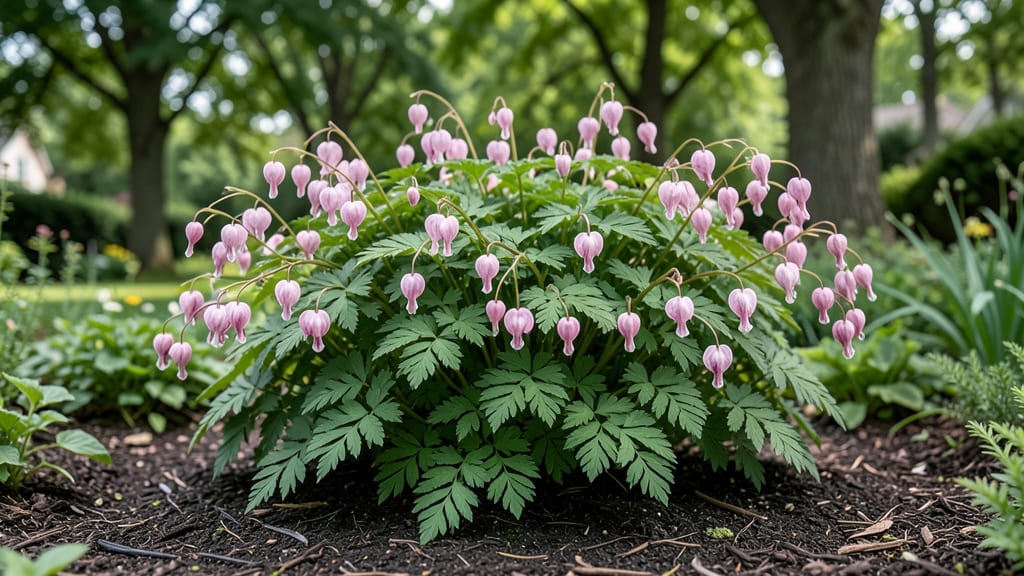
The bleeding heart bloom time in early spring turns gardens into dreamy, pink-and-white canopies 💔 — but timing your planting for those iconic heart-shaped flowers takes strategy.
If you love the delicate, heart-shaped blooms of bleeding heart plants but struggle with late spring planting, cold-tolerant varieties offer a game-changing solution—bursting into color when most gardens are still dormant.
These shade-loving perennials typically bloom from March to May, depending on your USDA zone, with some varieties like 'Alba' starting as early as February in warmer climates.
Discover how to extend their flowering season, choose the right variety for your region, and get practical tips to ensure your bleeding hearts put on their best show year after year.
When bleeding heart plants bloom: seasonal timeline for early spring varieties
Cold-hardy bleeding heart plants like Dicentra spectabilis and Dicentra eximia are among the first perennials to burst into color each spring, often while snow still lingers in colder climates. Their heart-shaped blooms appear weeks before many traditional spring flowers, making them a prized addition to early-season gardens.
Understanding their bloom time variations across USDA zones is key to planning your landscape for maximum impact.
The earliest blooming varieties, such as Dicentra spectabilis 'Alba', typically begin flowering in late March to early April in warmer regions (Zones 7-8), while northern gardeners in Zones 3-5 may see blooms starting in mid to late April.
These timelines can shift by 2-4 weeks depending on local microclimates and winter severity.
| Variety | USDA Zones | Typical Bloom Window | Regional Notes |
|---|---|---|---|
| Dicentra spectabilis 'Alba' | 3-8 | Late March - Early May | First to bloom; thrives in Zones 3-5 with mulch |
| Dicentra spectabilis 'Stuart Boothman' | 4-8 | Mid-April - Late May | Longer bloom season; heat-tolerant |
| Dicentra eximia 'Gold Heart' | 3-7 | Early April - Mid-May | Compact variety; ideal for Zones 3-4 |
| Dicentra spectabilis 'Valentine' | 5-8 | Late March - Early April | Early bloomer; prefers milder winters |
For gardeners in USDA Zones 3-4, where winters are harshest, Dicentra eximia varieties often outperform their Dicentra spectabilis cousins. These cold-hardy types develop protective ground cover earlier, allowing them to push through snow for earlier blooms.
In my Zone 4 garden, I've seen 'Gold Heart' emerge through 2 inches of snow in early April, creating a stunning contrast against white landscapes.
Regional variations become especially noticeable when comparing northern and southern climates. In Zones 7-8, where winters are mild, bleeding hearts may begin flowering as early as February in sheltered microclimates.
However, these early blooms often get damaged by late winter freezes, so I recommend waiting until mid-March for more reliable flowering in these zones.
To extend your bleeding heart bloom season, focus on three key strategies: proper planting depth, consistent moisture, and seasonal mulching.
Planting crowns just below soil level (about 1 inch deep) helps protect against winter heaving, while maintaining even moisture throughout the growing season prevents stress that can shorten bloom periods.
In my experience, adding a 2-3 inch layer of mulch in late fall (after the first frost) provides critical insulation that preserves root integrity.
This simple practice has helped me extend blooms by 2-3 weeks in my Zone 5 garden, with 'Alba' varieties continuing to produce fresh flowers well into late May.
One common misconception is that bleeding hearts bloom only once per year. While their primary flowering period occurs in spring, many varieties will produce secondary blooms in late summer if given proper care.
Pruning back spent flower stalks in early summer encourages new growth, and in my garden, 'Stuart Boothman' often rewards me with a second flush of blooms in August.
For gardeners in warmer climates (Zones 8-9), summer heat can cause early dormancy in bleeding hearts. To combat this, I've found that providing afternoon shade during peak summer months and increasing watering frequency to every 3-4 days helps maintain plant vigor.
This approach has allowed me to enjoy continuous blooms from March through June in my Zone 8 garden.
Remember that bloom times shift annually based on weather patterns. After a mild winter, expect blooms to arrive 2-3 weeks earlier, while a harsh winter may delay flowering by a similar margin.
Keeping a garden journal to track your specific varieties' bloom dates helps you anticipate future seasons more accurately.
How to time your bleeding heart planting for maximum early spring blooms
Timing your bleeding heart planting correctly is the secret to those early spring blooms you've been dreaming of. Most gardeners plant in spring, but I've found that fall planting actually gives you a head start.
When you plant in late September or October, the roots establish before winter, so your plants burst into heart-shaped flowers as soon as the frost lifts.
The key is understanding your USDA hardiness zone. In zones 3-5, aim for planting by mid-October to let roots harden off before freeze. Zones 6-8 can wait until November when soil temps drop below 60°F.
This timing ensures your plants won't suffer winter dieback while still getting that early bloom advantage.
Select cold-hardy varieties like Dicentra spectabilis 'Alba' or 'Stuart Boothman'. These thrive in early spring and handle late frosts better than standard types.
Amend soil with 3 inches of compost and a balanced fertilizer (5-10-10). Bleeding hearts prefer moist, well-draining soil with partial shade protection.
Pair with hostas or ferns to shield roots from winter winds. These companions also retain soil moisture during dry spells.
Apply 4-6 inches of mulch (straw or shredded leaves) after planting. This insulates roots through winter and prevents freeze-thaw damage.
Give plants a deep watering 2 weeks before first frost. This hydrates roots for early spring growth without causing root rot.
Cut back dead foliage in March (before new growth appears). This stimulates early blooming and prevents pests from overwintering.
After establishing your bleeding hearts in fall, I've noticed they bloom 3-4 weeks earlier than spring-planted varieties. The secret is giving them time to root deeply before the growing season begins.
In my Zone 6 garden, plants prepared this way often flower by late March, while standard plantings wait until May.
One final tip: Avoid fertilizing in fall—this can stimulate tender new growth that won't survive winter. Instead, wait until early spring when you see new shoots emerging. A light application of 10-10-10 fertilizer at this time gives your plants the phosphorus boost they need for abundant blooms.
With these strategies, you'll have show-stopping bleeding heart blooms when most gardens are still waking up from winter dormancy. The early spring display you'll get is worth the extra planning! 🌱