
Blooming
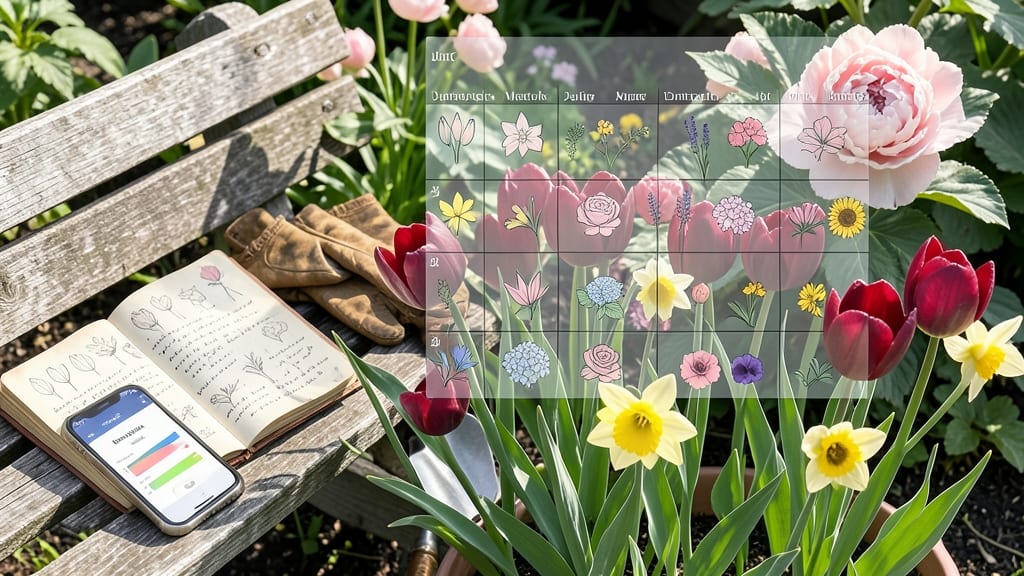
Your bloom calendar 2025 kicks off now—heat-loving flowers and veggies need precise timing to thrive. 🌸 I’ve mapped out exactly when to plant and what to expect in each USDA zone, so you can avoid missed deadlines and wilted dreams before they happen.
The secret isn’t just dates—it’s matching varieties to your local heat triggers. Zones 7-9 can push summer blooms like zinnias and okra into July-August, while cooler zones (3-5) might see their peak in June.
Deadlines shift too: tomatoes need to hit the soil by May 1 in the South but wait until June 15 in the North. By following this calendar, you’ll harvest vibrant blooms and crisp veggies at their peak—no more bolting basil or sad sunflowers.
The key is adjusting for your microclimate: urban heat islands bloom earlier, while shaded spots lag by 2-3 weeks. This works for containers, raised beds, and in-ground gardens. Let’s get your 2025 garden on track!
📚 In This Guide
- What you need
- Instructions
- Tips and common mistakes
- Wrapping up and next steps
What you need
- ● Printed or digital Bloom Calendar 2025: Download or print the full guide (or use a tablet/phone for digital tracking). Spec: 8.5” x 11” or A4 size for easy reference.
- ● Highlighters or colored pens: 3–5 colors to mark blooming periods by zone (e.g., red for Zone 5, blue for Zone 9). Spec: Waterproof or smudge-proof for outdoor use.
- ● Notebook or planner: For jotting down local weather notes, soil conditions, or adjustments. Spec: 5–10 blank pages or a digital notes app.
- ● Thermometer: A soil thermometer (for underground temps) and a air thermometer (for heatwave tracking). Spec: Digital with °F/°C conversion.
- ● Permanent markers: For labeling plants directly on pots or garden stakes.
- ● Garden twine or flags: To mark test plots for heat-sensitive varieties (e.g., 10–15 flags per zone).
- ● Spray bottle: With water for quick hydration tests (check if leaves wilt under heat).
- ● Pruning shears: Small pair for trimming spent blooms or adjusting plant stress.
- ● Heat-stress sensors: Bluetooth-enabled probes for real-time alerts (e.g., during sudden heatwaves).
- ● Garden journal app: Like Gardenate or PlantNet to cross-reference blooms.
- ● Shade cloth: Lightweight (30–50% coverage) for testing heat tolerance in sensitive plants.
- ● Local extension service contacts: Save numbers for zone-specific heat advisories.
How to plan your heat-triggered garden using the 2025 bloom calendar
Here's how I map out seasonal blooms for maximum impact—no guesswork, just science-backed timing.
🌱 Step 1: Identify Your Hardiness Zone and Last Frost Date
First, locate your USDA hardiness zone—this determines your planting windows. I always check the 2025 bloom calendar for my zone's last frost date, which varies by 2-4 weeks depending on location. For example, Zone 5 gardeners can start heat-loving annuals 6-8 weeks before last frost, while Zone 9 gardeners plant theirs in late February.
Write down your last frost date and mark it on a calendar. This is your anchor point for everything else. I use a red marker for frost dates and green for heat-triggered varieties. Heat-lovers like celosia, salvia, and portulaca won't bloom until soil temps hit 70°F, so I wait until mid-May in my Zone 6 garden.
☀️ Step 2: Select Heat-Triggered Varieties for Your Zone
Heat-triggered plants need specific temperature cues to bloom. I focus on varieties that thrive in my zone's summer heat. For example, zinnia 'Benary's Giant' blooms best when daytime temps stay above 75°F, while snapdragons prefer cooler evenings. Check the 2025 bloom calendar for varieties that align with your zone's heat patterns.
Make a list of 3-4 heat-triggered plants you love. I always include at least one long-blooming annual like celosia (which thrives in 90°F+ heat) and one heat-sensitive variety like cosmos (which blooms best in 75-85°F). This balance ensures continuous color.
📅 Step 3: Map Blooms to Temperature Thresholds
Now, align your selected varieties with their ideal bloom temperatures. Most heat-triggered plants need consistent daytime highs of 75-90°F to set buds. I cross-reference the 2025 bloom calendar with my local historical heat waves—for example, my Zone 7 garden hits 85°F+ reliably by late June, so I schedule salvia and verbena for that window.
Use a color-coded system: red for high-heat varieties (like lantana), yellow for moderate-heat (like gazania), and green for heat-sensitive (like marigolds). This visual helps me avoid planting heat-lovers too early when temps dip below their thresholds.
⏰ Step 4: Schedule Planting and Deadheading
Heat-triggered plants need precise timing. I plant direct-sown varieties (like portulaca) 4-6 weeks before their ideal bloom temp arrives. For transplants (like salvia), I wait until soil temps hit 65°F—I test this with a soil thermometer. The 2025 bloom calendar includes heat-wave predictions for each zone, so I adjust my schedule accordingly.
Deadheading is critical for heat-lovers. I remove spent blooms every 3-5 days to encourage reblooming. For example, celosia produces new flowers within 7-10 days of deadheading if temps stay above 80°F. I set a phone reminder for my deadheading days—missed deadheading means missed blooms.
🌿 Step 5: Adjust for Late-Season Heat Waves
Heat waves can extend bloom seasons unexpectedly. I monitor the 2025 bloom calendar's late-summer heat predictions and prepare to water deeply 2-3 times weekly during 90°F+ stretches. Mulch with 2-3 inches of straw to retain moisture and protect roots. Some heat-triggered plants (like zinnia) may bolt in extreme heat, so I move potted varieties to partial shade if temps exceed 95°F.
Take notes after each season. I jot down which varieties bloomed best in my zone's heat patterns and adjust next year's schedule. For example, verbena thrived in my garden during the 2024 July heat wave, so I planted it earlier in 2025. The bloom calendar becomes a living document—your garden's heat history.
Tips & tricks for perfect heat-triggered garden planning
These science-backed strategies will help you maximize your garden's potential using the 2025 bloom calendar.
Soil Temperature Matters: While the 2025 bloom calendar provides excellent guidance, I can't stress enough how critical soil temperature is—especially for heat-triggered varieties. Use a soil thermometer to verify that soil temps have reached 65°F before planting transplants like salvia. I've seen many gardeners rush planting in spring only to have their heat-lovers struggle when soil temps remain below threshold. For direct-sown varieties like portulaca, wait until soil temps consistently hit 70°F during the day.
Heat Wave Preparation: The 2025 bloom calendar includes late-summer heat predictions, but I've found that extreme heat can still catch gardeners off guard. When temperatures exceed 90°F+, move potted heat-lovers like celosia to partial shade to prevent bolting. I also recommend installing a simple shade cloth system (50% shade) that you can deploy during heat waves. This gives you flexibility to protect plants without permanent shade structures that might reduce flowering.
Visual Deadheading System: The instructions mention deadheading every 3-5 days, but I've developed a color-coded system that makes this effortless. Use three different colored plant markers (red, yellow, green) to track when you deadheaded each plant. When you see a red marker, you know it's time to trim that plant. This visual cue prevents missed deadheading sessions, which is particularly important for celosia that needs consistent care to produce new blooms within 7-10 days when temps stay above 80°F.
Variety Testing Journal: The 2025 bloom calendar provides excellent starting points, but I've learned that local microclimates can significantly affect performance. Create a simple journal where you track which varieties thrive in your specific zone's heat patterns. For example, while the calendar might suggest planting verbena in late June, I've found it performs better when started in early June in my Zone 7 garden due to our particular heat wave patterns. This becomes your personalized heat-triggered garden guide over time.
Pro Tips for Bloom Calendar 2025
- These science-backed strategies will help you maximize your garden's potential using the 2025 bloom calendar.
- Soil Temperature Matters: While the 2025 bloom calendar provides excellent guidance, I can't stress enough how critic...
- Heat Wave Preparation: The 2025 bloom calendar includes late-summer heat predictions, but I've found that extreme hea...
Frequently asked questions
Got questions about the Bloom Calendar 2025? You’re not alone! Whether you’re a seasoned gardener or just starting, timing blooms can feel tricky. Here are answers to the most common questions—so you can plan with confidence.
What if my zone’s last frost date isn’t listed in the Bloom Calendar 2025?
The calendar covers USDA Hardiness Zones 3–10, but if your zone isn’t explicitly mentioned, use the nearest zone’s timeline as a guide. For example, Zone 4 gardeners can follow Zone 5’s schedule with a 1–2 week buffer for early bloomers like tulips. Check your local Cooperative Extension Service for micro-climate adjustments!
Can I adjust the bloom timing for heat-sensitive flowers?
For heat-sensitive varieties (e.g., petunias, impatiens), start seeds 4–6 weeks earlier indoors or opt for heat-tolerant hybrids labeled in the 2025 guide. Mulch heavily and water deeply at dawn to protect roots. Pro tip: Shade cloth (30–50%) can extend bloom seasons by 2–3 weeks in hot zones!
What’s the best way to track multiple bloom cycles in one garden?
Use a layered planting strategy:
- Early bloomers (e.g., crocuses, daffodils): Plant in Zone 3–5 by September 2024.
- Mid-season (e.g., peonies, roses): Follow the Zone 6–8 timeline.
- Late-season (e.g., chrysanthemums, asters): Stick to Zone 7–10 deadlines.
Color-code your calendar or use garden planning apps like Gardenate to visualize overlaps.
What if my flowers bloom too early or late?
Early blooms? Adjust watering—drought stress can trigger premature flowering. Late blooms? Check for nutrient deficiencies (add balanced fertilizer) or overcrowding (thin plants). For perennials, prune spent blooms by 1/3 after the first frost to encourage next year’s timing. If the issue persists, your plant may need replacement.
Are there low-maintenance alternatives to high-maintenance blooms?
Swap finicky flowers for resilient picks from the 2025 guide:
- Drought-tolerant: Lavender, Russian sage, coneflowers.
- Heat-proof: Lantana, bougainvillea, black-eyed Susans.
- Shade-friendly: Hostas, heucheras, ferns.
These thrive with minimal fuss while still delivering stunning blooms!
Wrapping up and next steps
The Bloom Calendar 2025 isn’t just a guide—it’s your roadmap to transforming your garden into a vibrant, heat-smart paradise! 🌿 By aligning your plant choices with your USDA Hardiness Zone and seasonal heat patterns, you’ll unlock lush blooms, fewer pests, and year-round beauty with minimal effort.
Whether you’re a seasoned gardener or just starting, this calendar makes planning effortless and rewarding.
Ready to bloom brighter in 2025? Grab your zone map, mark your calendar, and start planting with confidence! 🌸 Check out our planting checklist to turn your vision into reality—one heat-friendly bloom at a time.