
Blooming
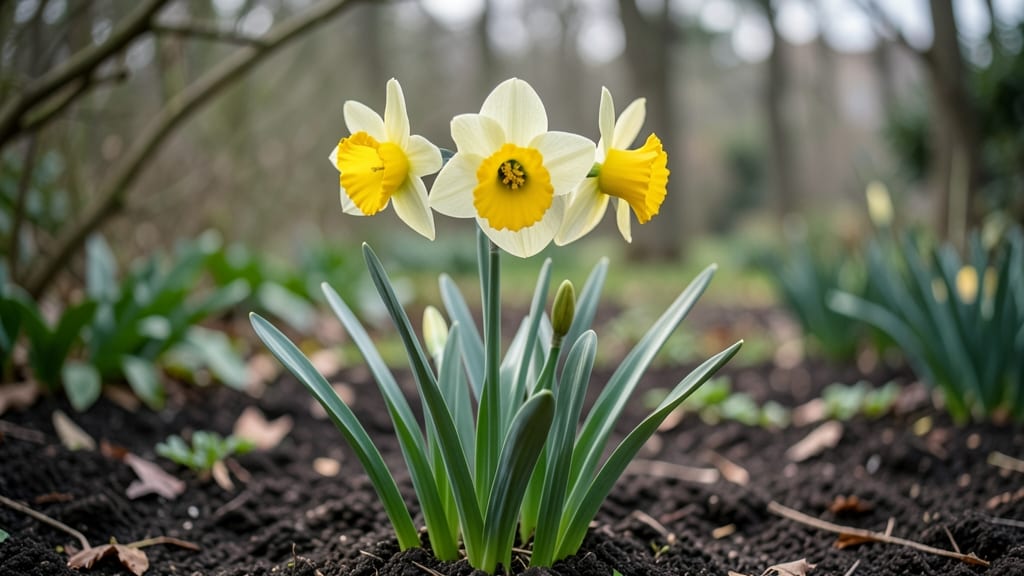
Daffodils bloom in late winter to early spring—typically February through April—but their exact timing depends on variety, climate, and a few simple tricks you can use to coax them into flower sooner.
If you're eager to see vibrant yellow daffodils brightening your garden sooner, understanding their natural bloom cycle—and how to manipulate it—is the key to unlocking earlier flowers.
Most gardeners in USDA Zone 6a (like me!) plant bulbs in fall, but the real secret to timing lies in the chilling period they need. Early bloomers like 'Tête-à-Tête' often open by February, while late varieties like 'Jack Snipe' may wait until April.
Below, I’ll break down how to read your climate’s cues, choose the right varieties for your timeline, and even nudge blooms forward with a few pro tips—so you can enjoy those cheerful 🌼 faces weeks ahead of schedule.
Natural daffodil bloom time: seasonal patterns and varietal differences
Daffodils are among the first spring bloomers to push through winter's chill, offering a splash of bright color when gardens are still dormant. Their bloom time varies dramatically based on variety selection and climate conditions, but most daffodils follow a predictable February to April window.
Understanding these patterns helps you choose the right cultivars for your garden timeline and region.
In most USDA Zones 5-8, daffodils typically bloom between late February and early April, with early varieties like 'Tête-à-Tête' often appearing as soon as mid-February.
Mid-season types such as 'Ice Follies' follow in March, while late bloomers like 'Jack Snipe' may not peak until late April. These timelines can shift by 2-4 weeks depending on your local frost dates and microclimate.
Regional variations play a huge role in bloom timing. Gardeners in warmer Southern states (Zones 8-10) may see daffodils bloom as early as January, while those in colder Northern regions (Zones 3-4) might not enjoy their first blooms until late April or May. Even within a single state, elevation and urban heat islands can create noticeable differences in bloom windows.
Here’s how three key bloom categories align with seasonal expectations across most growing zones:
The 'Tête-à-Tête' daffodil, for example, is a dwarf variety that often blooms 2-3 weeks earlier than standard types, making it ideal for container gardens or early spring displays. Its 6-8 inch height and compact form also make it perfect for rock gardens or border edges.
In contrast, 'Ice Follies' produces multiple blooms per stem and typically flowers in mid-March, offering a longer display window.
'Jack Snipe' stands out for its tall, sturdy stems and late-season bloom time, often lasting into early May. This variety thrives in cooler climates and can be a reliable late-season pollinator for bees. For gardeners in warmer regions, planting early bloomers like 'February Gold' ensures vibrant color before summer heat sets in.
If you're in a transition zone (like Zones 6-7), you can create a staggered bloom sequence by mixing early, mid, and late varieties in the same bed. This approach extends your daffodil season from February through May, providing continuous visual interest.
For instance, pairing 'Tête-à-Tête' with 'Ice Follies' and 'Jack Snipe' creates a 3-month flowering display with minimal effort.
Climate also affects bloom intensity. In cooler springs, daffodils may produce fewer but larger blooms, while warmer temperatures can trigger more abundant but smaller flowers.
For example, gardeners in Pacific Northwest (Zone 7-8) often see prolonged blooming due to mild winters, while those in Midwest (Zone 5) may experience shorter but more vibrant displays after a harsh winter.
To maximize bloom time, consider your local frost dates and planting schedule. Bulbs planted in fall (6-8 weeks before first frost) will establish roots and chill properly for spring blooming.
In warmer climates, you can even plant daffodils in winter (December-January) to avoid summer heat stress and encourage earlier vernalization.
Understanding these natural bloom patterns helps you select the perfect daffodil varieties for your garden's timeline and climate. Whether you're aiming for early spring cheer or a late-season finale, the right mix of cultivars can transform your outdoor space into a sequential floral masterpiece.
5 Proven techniques to trigger earlier daffodil blooms
Daffodils are famous for their cheerful spring blooms, but their natural timing often feels too late for impatient gardeners. The good news? You can advance bloom time by understanding and manipulating their biological triggers.
Daffodils rely on vernalization (cold exposure) and photoperiodism (light exposure) to flower. By tweaking these factors, you can coax earlier blooms—sometimes weeks ahead of schedule!
Most gardeners focus only on planting timing, but the real secrets lie in soil temperature, light exposure, and post-bloom care. For example, deeper planting in cooler climates can delay flowering slightly, while shallow planting in warmer zones speeds it up.
Let’s explore five science-backed methods to get those bright yellow trumpets popping up sooner than ever.
🌱 5 Techniques to Jumpstart Daffodil Blooms
-
1. Plant at Optimal Depth
Deeper in cold zones (8-10 inches), shallower in warm zones (4-6 inches) to balance chilling and warmth. -
2. Simulate Winter Chill
Store bulbs at 35-45°F for 12-16 weeks before planting to satisfy vernalization needs. -
3. Maximize Light Exposure
Ensure 6+ hours of direct sun daily—use reflective mulch or mirrors to boost light in shady spots. -
4. Warm Soil Strategically
Use black plastic mulch or heat mats in early spring to raise soil temps 5-10°F above ambient. -
5. Post-Bloom Bulb Care
Leave foliage until yellow to recharge bulbs; fertilize with low-nitrogen feed (5-10-10) after blooms fade.
🌼 Science-backed shortcuts for impatient gardeners
Let’s dive deeper into the first technique: planting depth. Most gardeners bury daffodils 6-8 inches deep, but this isn’t one-size-fits-all.
In USDA Zone 5 or colder, deeper planting (8-10 inches) protects bulbs from freezing and ensures they get enough vernalization—the cold period they need to flower. Conversely, in Zone 7+, shallow planting (4-6 inches) reduces soil insulation, letting warmth trigger blooms faster.
For light exposure, daffodils thrive in full sun, but even partial shade can delay blooms. If your garden lacks sunlight, try reflective mulch (like white gravel) or place a mirror nearby to redirect light.
Another trick? Plant early-blooming varieties like 'Tête-à-Tête' (dwarf) near taller structures to catch reflected sunlight earlier in the day.
Soil temperature is often overlooked but critical. Daffodils need soil to warm to 50-55°F before active growth begins. Use black plastic mulch or heat mats in early spring to accelerate warming.
In containers, move pots to a sunny windowsill or greenhouse to give bulbs a head start. Pro tip: Group containers together—their combined warmth can raise soil temps faster.
After blooms fade, resist the urge to cut back foliage immediately. Let it yellow naturally—this process recharges the bulb for next year’s flowers. Once leaves turn brown, trim them back, but leave half the foliage to ensure the bulb stores enough energy.
Apply a balanced fertilizer (like 5-10-10) in early fall to support bulb development during dormancy.
By combining these techniques—strategic depth, chill simulation, light optimization, soil warming, and post-bloom care—you can push daffodil blooms 2-4 weeks earlier than average. Start experimenting this fall, and you’ll be rewarded with vibrant spring color that arrives like clockwork.