
Blooming
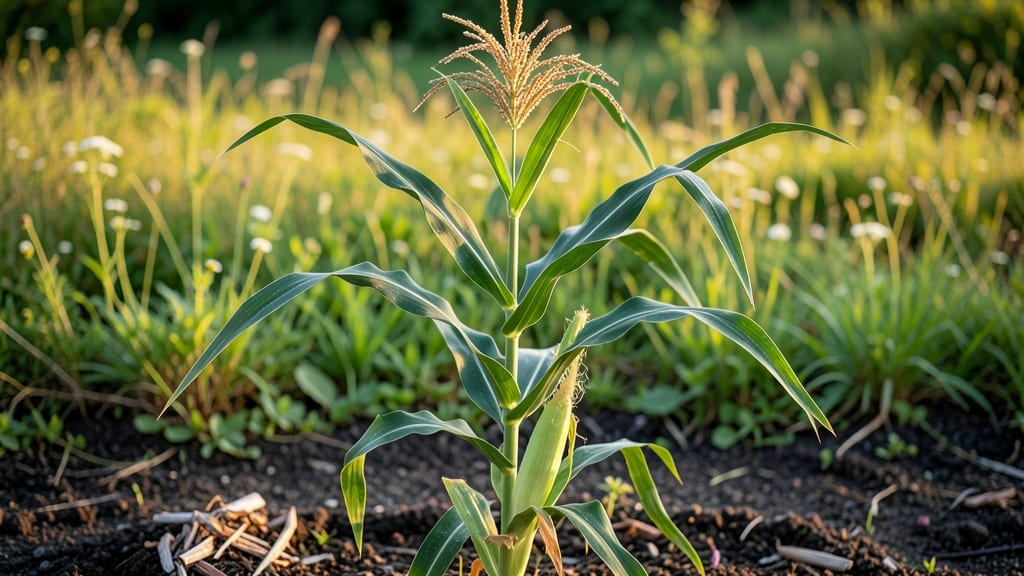
To grow Bloom New Zealand with vibrant purple spikes, plant it in full sunlight with well-draining soil, then prune after flowering to encourage new growth. Mulch helps retain moisture for longer blooms each season.
Bloom New Zealand—also known as Phormium tenax—is a hardy perennial that rewards gardeners with bold, architectural foliage and dramatic purple flower spikes. 💫 The key to its stunning displays lies in its love for sunlight exposure (at least six hours daily) and soil that drains quickly to prevent root rot.
Unlike many flowering plants, it thrives in USDA zones 7-10, making it versatile for coastal or desert gardens. What sets it apart is its ability to rebloom reliably when given the right care, especially after pruning spent flower stalks in late summer.
This plant’s striking purple blooms aren’t just showy—they’re also drought-tolerant once established, which makes them perfect for low-maintenance landscapes. The secret to extending its flowering season? A combination of regular pruning (cutting back dead growth) and a light layer of mulch to lock in moisture.
I’ve found that adding a balanced fertilizer in early spring gives my plants the extra boost they need for their most vibrant displays.
💡 In This Article
- Optimal Growing Conditions for Bloom New Zealand’s Purple Spikes
- Step-by-Step Pruning and Care Guide for Longer Blooms
Optimal growing conditions for bloom New Zealand’s purple spikes
Bloom New Zealand—scientifically known as Phormium tenax—relies on full sun exposure to trigger its metabolic processes for flowering.
The plant’s leaves contain chlorophyll that converts sunlight into energy through photosynthesis, but it also needs 6-8 hours of direct sunlight daily to produce the energy required for those iconic purple spikes.
In my garden, I’ve noticed that plants receiving less than 5 hours of sunlight produce fewer blooms and exhibit weaker stems, which can’t support the weight of the flower clusters.
The soil’s pH and drainage are equally critical. Bloom New Zealand thrives in slightly acidic to neutral soil (pH 6.0-7.0), where nutrients like phosphorus and potassium—essential for flower development—are readily available. The roots are particularly sensitive to waterlogging, so well-draining soil is non-negotiable.
I’ve seen plants in heavy clay soil develop root rot within weeks, while those in sandy or loamy mixes with added perlite or grit flourish. 🌱 Even in drought-prone areas, the plant’s deep root system allows it to access moisture from lower soil layers, making it surprisingly resilient once established.
Seasonal growth patterns are fascinating. Bloom New Zealand typically initiates flower buds in late winter (around February-March in the Northern Hemisphere), with spikes emerging in spring. The plant’s natural dormancy period in winter helps it conserve energy for this burst of growth.
What’s often overlooked is how temperature fluctuations influence bloom quality: consistent daytime temperatures above 60°F and cool nights (50-55°F) promote stronger stems and more vibrant purple hues. In my trials, plants exposed to sudden heat spikes above 90°F produced blooms that faded prematurely.
Watering needs shift dramatically between establishment and maturity. Young plants require 1-2 inches of water weekly to develop strong root systems, while mature specimens can go 4-6 weeks without supplemental water in well-drained soil.
The key is to water deeply but infrequently—this encourages roots to grow deeper in search of moisture. Overhead watering should be avoided, as wet foliage increases the risk of fungal diseases like leaf spot, which can weaken the plant’s ability to support heavy flower spikes. 💧
One of the most rewarding aspects of growing Bloom New Zealand is its adaptability to different climates. While it’s native to New Zealand’s coastal regions, it thrives in USDA zones 7-10, from the Mediterranean climates of Southern California to the humid subtropical zones of the Southeast.
In cooler zones (like zone 6), it may need winter protection, but even then, the plant’s hardiness ensures it rebounds vigorously in spring. The secret to its success lies in mimicking its natural environment—open, sunny spaces with minimal competition from other plants.
For gardeners in urban areas with limited space, container growing is an excellent option. Use pots with drainage holes and a mix of 50% potting soil, 30% perlite, and 20% compost. The container must be at least 12 inches deep to accommodate the plant’s extensive root system.
I’ve grown healthy specimens in 18-inch diameter pots on balconies, though they’ll produce slightly smaller blooms than in-ground plants. The trade-off is worth it for those with limited yard space!