
Blooming
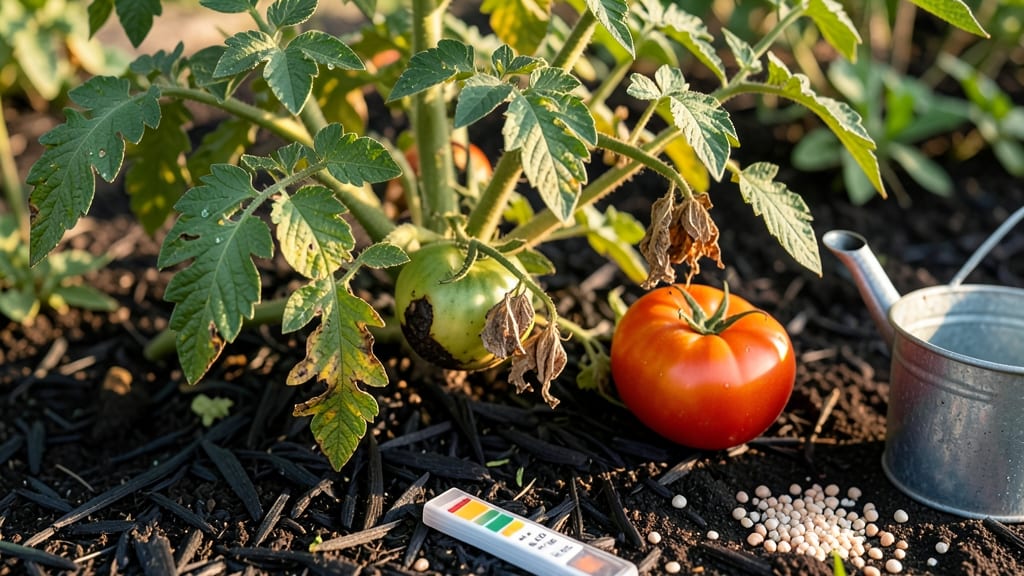
Your tomato harvest doesn’t have to end in disappointment from bloom rot—those ugly, sunken spots that turn your fruit into a sad, leathery mess. 🌱 I’ve lost more tomatoes to this sneaky problem than I’d like to admit, but I’ve also learned how to stop it before it starts.
The key is understanding why it happens and catching it early. Bloom rot looks like blossom-end rot but strikes at the fruit’s base, often after uneven watering or calcium shortages. The good news? It’s preventable with consistent moisture, balanced soil, and a little extra calcium when needed.
My tomatoes now stay firm and sweet all season long, with none of that crumbly disappointment. You’ll spot the difference in just a few weeks—plants that stay healthy, fruit that ripens evenly, and a harvest that actually matches what you planted.
The secret is simple adjustments that make a huge impact, like mulching to keep roots happy and side-dressing with crushed eggshells for that extra calcium boost. This works for any tomato variety, whether you’re growing in the ground, containers, or even a small balcony garden.
Let’s turn those sad spots into happy harvests!
Root Causes Of Tomato Spoilage
Understanding why bloom rot strikes your tomato plants is the first step to stopping it. This fungal disease thrives under specific conditions, often linked to environmental stress or poor garden hygiene. Let’s break down the key culprits:
Bloom rot (Alternaria solani or Alternaria alternata) loves damp, humid conditions—especially when water sits on tomato blossoms or fruit. Here’s why it’s a problem:
- Overhead Watering: When water droplets linger on flowers or young fruit, fungal spores germinate and infect the tissue.
The blossom end (the opposite side of the stem) becomes a prime target because it’s often the last to dry. - Heavy Rain or Irrigation: Prolonged wetness (especially during flowering) creates the perfect breeding ground.
Poor soil drainage worsens the issue by keeping roots waterlogged, weakening plants and making them more susceptible. - Early Morning Watering: If you water in the morning, blooms may stay wet until evening, giving fungi a 12+ hour window to invade.
Pro Tip: 💡 Water at the base of plants in the early morning (before 10 AM) to allow foliage to dry by nightfall. Use drip irrigation or soaker hoses to avoid wetting leaves and flowers.
Tomatoes are sensitive to extreme heat, and bloom rot often flares up when plants are already struggling:
- High Daytime Temperatures (Above 85°F/29°C): Heat weakens tomato plants, reducing their ability to resist fungal infections.
It also causes blossom drop, leaving exposed fruit vulnerable to rot. - Rapid Temperature Changes: Nighttime temperatures dropping below 60°F (15°C) after a scorching day shock the plant, making it more prone to stress-related diseases. - Poor Air Circulation: Hot, stagnant air traps humidity around flowers and fruit, creating a fungal paradise.
Action Step: 🌿 Provide shade cloth (30-50%) during peak heat and mulch to regulate soil temperature. Space plants 18-24 inches apart for better airflow.
Fungal spores survive in the soil for years, waiting for the right conditions to strike. Here’s how they spread:
- Previous Infestations: If bloom rot appeared last season, spores likely remain in the soil or on old plant matter. Rotating crops isn’t enough—you must sterilize the soil or plant in fresh beds. - Infected Plant Material: Leaving behind diseased leaves, stems, or fruit allows spores to multiply.
Even composting infected plants can reintroduce the fungus. - Contaminated Tools or Hands: Pruners, gloves, or even your fingers can transfer spores from one plant to another.
Cleanup Tip: ✨ Remove all plant debris at the end of the season and solarize the soil (cover with clear plastic for 4-6 weeks in hot sun) to kill spores. Disinfect tools with 1 part bleach to 9 parts water.
Tomatoes need a balanced diet to fight off diseases. Deficiencies or excesses create openings for bloom rot:
- Over-Fertilization with Nitrogen: Too much nitrogen promotes leafy growth at the expense of fruit development, leaving fruit soft and prone to rot. It also delays maturity, extending exposure to fungal spores. - Calcium Deficiency: Calcium helps strengthen cell walls in tomatoes.
Without enough (often due to high phosphorus or potassium), fruit becomes blossom-end rot-prone—a condition that can overlap with bloom rot symptoms. - Potassium Deficiency: Potassium boosts disease resistance, but a lack of it weakens plants, making them easier targets for fungi.
Fix It: 📊 Use a balanced fertilizer (like 5-5-5 or 10-10-10) and side-dress with compost rich in calcium (e.g., crushed eggshells or lime). Avoid heavy nitrogen feeds during flowering.
When tomatoes are packed too closely or under stress, their natural defenses drop:
- Poor Spacing: Overcrowded plants create shady, humid microclimates where spores thrive.
Air doesn’t circulate, and water evaporates slowly, keeping blooms wet. - Root Bound or Transplant Shock: Plants struggling to establish roots or recovering from transplanting are more susceptible to infections. - Pests or Herbicide Damage: Chewed leaves or chemical burns reduce photosynthesis, weakening the plant’s ability to fight off pathogens.
Solution: 🌱 Thin plants to 18-24 inches apart and avoid pruning during flowering (unless absolutely necessary). Use mycorrhizal fungi in soil to boost root health.
The most critical window for bloom rot is when tomatoes are flowering and setting fruit—typically late spring to early summer in many climates.
- Humidity Above 75%: Fungal spores spread via wind and water splashes. High humidity keeps spores viable longer on plant surfaces. - Rain During Blooming: Water droplets carry spores directly to flowers and young fruit.
Even light rain can trigger outbreaks if conditions are right. - Foggy Mornings: Dew or fog provides a constant moisture film on plants, ideal for fungal growth.
Prevention Hack: 🌡️ Use a hygrometer to monitor humidity. If it’s consistently high, consider row covers (removable for pollination) or fungicidal sprays (like copper or neem oil) as a preventive measure.
Bloom rot doesn’t just affect tomatoes—it can jump to other plants in the nightshade family (potatoes, peppers, eggplants):
- Infected Alternate Hosts: Weeds like nightshade or black nightshade can harbor spores. Even nearby infected crops increase spore load in the air.
- Greenhouse or Indoor Growing: Poor ventilation in greenhouses traps spores, leading to epidemics if not managed.
Defense Strategy: 🚫 Remove all nightshade weeds within a 50-foot radius of your garden. If growing in a greenhouse, sterilize surfaces and rotate crops with non-host plants (like beans or lettuce).
Fixing Tomato Blight Before It Ruins Your Crop
If you’ve spotted those telltale signs—shriveled blossoms, browned fruit, or a sudden drop in yield—don’t panic. Bloom rot in tomatoes is manageable, and with the right steps, you can salvage your plants and prevent future outbreaks.
Here’s how to tackle the problem head-on, cause by cause, with practical fixes and smart prevention tips.
Excess moisture is the #1 trigger for bloom rot. If your soil stays soggy or water pools around roots, it’s time to adjust your irrigation game.
🔥 Step 1: Improve Soil Drainage
- Test your soil: Dig a small hole (6–8 inches deep) and fill it with water. If it drains in under an hour, your soil is okay. If not, amend it.
- Add organic matter: Mix in compost, coconut coir, or perlite to loosen heavy clay soil. Aim for 20–30% organic content by volume.
- Raise beds or mounds: If drainage is chronically poor, grow tomatoes in elevated beds or hill soil around the base of plants to encourage runoff.
🍳 Step 2: Adjust Watering Habits
- Water deeply but infrequently: Give plants 1–1.5 inches of water per week, delivered at the base (not overhead). Use a soaker hose or drip irrigation to keep foliage dry.
- Water in the morning: This allows leaves to dry by nightfall, reducing fungal growth. Avoid evening watering—it’s a fungus’s dream.
- Mulch like a pro: Apply 2–3 inches of straw or wood chips around plants to retain moisture without smothering roots. Keep mulch 6 inches away from the stem to prevent rot.
💡 Pro Tip:
If your garden floods often, consider planting tomatoes in containers with drainage holes. This gives you full control over water levels!
Extreme heat can cause blossoms to drop before they set fruit, leaving your plants vulnerable to rot. Here’s how to cool things down.
👨🍳 Step 1: Shade Young Plants
- Use lightweight shade cloth (30–50%) over seedlings during peak sun (10 AM–4 PM). Remove it gradually as plants mature.
- Reflective mulch: Lay white plastic or aluminum foil around the base to bounce back sunlight and lower soil temps by 5–10°F.
🥘 Step 2: Boost Humidity (Strategically)
- Mist leaves lightly in the early morning (but avoid wetting flowers). Use a fine spray nozzle to mimic dew.
- Group plants together: Tomatoes release moisture through transpiration—clustering them creates a microclimate with slightly higher humidity.
⏰ Step 3: Time Your Harvest
- Pick tomatoes when they’re slightly underripe during heatwaves. They’ll ripen indoors on a sunny windowsill or under a grow light.
If bloom rot has already set in, you’ll need a multi-pronged attack to stop the spread.
🔪 Step 1: Prune and Sterilize
- Remove infected blossoms and fruit: Snip them off with clean, sharp scissors and dispose of them in the trash (not compost).
- Prune lower leaves: Trim foliage touching the soil to improve airflow and reduce humidity near the fruit.
- Sterilize tools: Wipe blades with rubbing alcohol (70% or higher) between cuts to prevent cross-contamination.
🌡️ Step 2: Apply Fungicides (Organic or Chemical)
| Method | How to Use | Best For |
|---|---|---|
| Baking soda spray | Mix 1 tsp baking soda + 1 quart water + a few drops of dish soap. Spray every 7–10 days. | Early-stage prevention |
| Neem oil | Combine 1 tbsp neem oil + 1 tsp mild soap + 1 quart water. Spray at dusk. | Mild to moderate infections |
| Copper fungicide | Follow label rates (e.g., Cheshunt Compound). Reapply after rain. | Severe outbreaks |
| Hydrogen peroxide | Use 3% food-grade H₂O₂ (1 tbsp per gallon of water). Spray weekly. | Organic growers (kills spores) |
💡 Pro Tip:
For a preventive shield, spray plants with a fungicide mix (like the baking soda recipe) every 2 weeks during rainy seasons or high-humidity periods.
Once you’ve treated the problem, lock it out for good with these habits.
🎯 Choose Resistant Varieties
- Opt for heat-tolerant, disease-resistant hybrids like:
- ‘Heatmaster’
- ‘Solar Fire’
- ‘Mountain Merit’
- Avoid large-fruited varieties (e.g., beefsteak tomatoes) in hot climates—they’re more prone to stress.
🌡️ Monitor Soil pH
- Test your soil’s pH (ideal range: 6.0–6.8 for tomatoes). Use lime to raise pH or sulfur to lower it if needed.
🌱 Rotate Crops
- Avoid planting tomatoes (or other nightshades like peppers/eggplants) in the same spot for 3 years to break fungal cycles.
✨ Soil Solarization (For Serious Cases)
- In hot, dry climates, solarize your soil before planting:
- Water the bed thoroughly.
- Cover with clear plastic for 4–6 weeks (June–July).
- The sun’s heat will kill fungi, weeds, and pests.
With these fixes, your tomato plants should bounce back stronger—and next season, you’ll be one step ahead of bloom rot. Stay vigilant, adjust your care based on the weather, and enjoy a bountiful, rot-free harvest! 🍅🌿
Frequently asked questions about tomato bloom rot
What’s the difference between bloom rot and blossom-end rot in tomatoes?
Bloom rot is a fungal infection that causes dark, sunken spots on the blossom end of fruit, often accompanied by shriveling blossoms. Blossom-end rot, however, is a calcium deficiency issue that creates leathery, sunken areas without fungal growth. Bloom rot spreads between plants, while blossom-end rot is usually isolated to individual fruits.
Can I still harvest tomatoes with bloom rot?
Only pick fruit that’s already fully ripe and healthy. Infected tomatoes should be removed immediately and discarded (not composted). The fungus can spread through contact, so avoid touching healthy fruit when pruning. Focus on saving uninfected blossoms and young fruit by improving airflow and reducing moisture.
How often should I spray fungicides for prevention?
For organic prevention, spray a baking soda mix (1 tsp baking soda + 1 quart water + dish soap) every 7-10 days during rainy seasons or high humidity. For chemical controls, follow label instructions—typically every 10-14 days or after heavy rain. Always spray in the early morning so foliage dries quickly.
Will mulch actually help prevent bloom rot?
Yes! A 2-3 inch layer of straw or wood chips keeps soil moisture even while preventing water from splashing onto blossoms. Just keep mulch 6 inches away from stems to avoid trapping excess moisture. Organic mulch also improves soil structure over time, reducing fungal pressure.
Can I reuse soil from last year’s garden if bloom rot appeared?
Not without treatment. Fungal spores survive for years in infected soil. Solarize the bed (cover with clear plastic for 4-6 weeks in hot weather) or replace the top 6 inches of soil with fresh, sterilized mix. Avoid planting nightshades in that spot for 3 years to break the disease cycle.