
Blooming
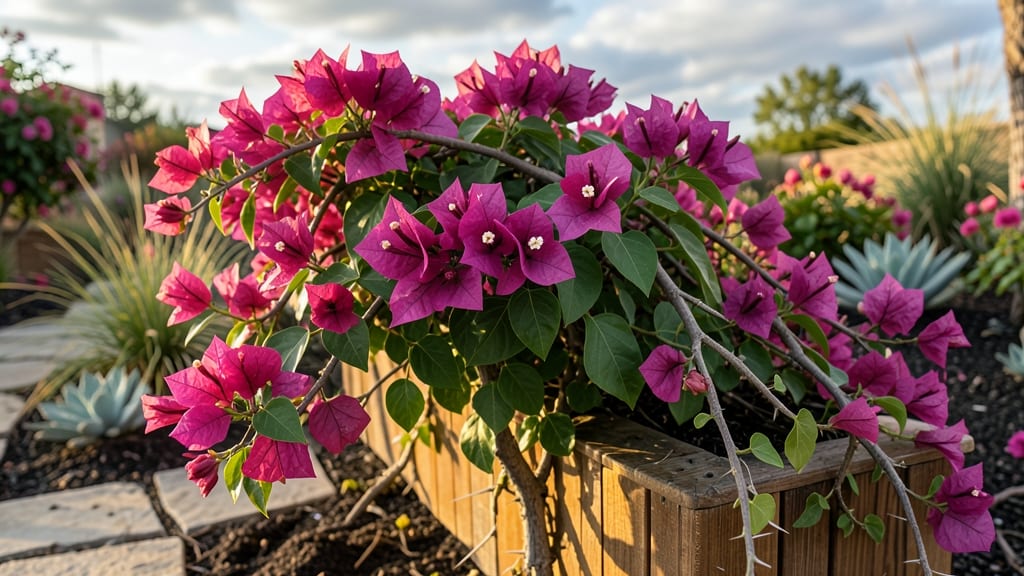
The bougainvillea bloom time thrives when temperatures stay above 60°F—and the hotter, the better, with peak color popping between 75°F and 90°F.
If you've ever wondered why your bougainvillea refuses to bloom—or how to coax vibrant flowers year-round—heat zones hold the secret. These tropical beauties thrive under specific temperature triggers, and understanding them can transform your plant from a leafy bush into a nonstop floral display.
In USDA zones 9a-11, bougainvillea 🌸 flowers nonstop from spring to fall, while cooler climates force a seasonal show. The key? Mimicking their natural habitat with full sun, well-draining soil, and strategic pruning to encourage new growth.
Below, I break down the exact heat zones that trigger fastest flowering, how to extend bloom time in cooler areas, and the simple tweaks that keep your bougainvillea in full color longer than ever.
Optimal heat zones for bougainvillea bloom time explained
Bougainvillea thrives in warm climates where temperatures stay above 60°F consistently. These tropical vines produce their vibrant bracts (the colorful "flowers") when days are long and hot, with 75°F+ ideal for peak blooming. Understanding your USDA heat zone helps predict bloom windows and adjust care routines accordingly.
In USDA zones 9-11, bougainvillea blooms year-round with minimal dormancy. However, in zones 8 and below, blooming becomes seasonal, typically spring through fall. The key trigger is consistent warmth—once nighttime temps dip below 50°F, blooming slows dramatically.
Here’s how temperature ranges affect bloom time across different regions:
| USDA Zone | Avg. Temp Range (°F) | Bloom Window | Notes |
|---|---|---|---|
| 9a-9b | 20-35°F (winter) / 80-95°F (summer) | Spring-Fall (Mar-Oct) | Needs winter protection; blooms slow in cooler months. |
| 10a-10b | 30-40°F (winter) / 85-100°F (summer) | Year-round (peak spring-fall) | Minimal dormancy; thrives with consistent warmth. |
| 11 | 40-50°F (winter) / 90-105°F (summer) | Year-round (no dormancy) | Ideal for tropical climates; blooms continuously. |
| Tropical (e.g., Hawaii, Florida Keys) | 65-90°F (year-round) | Year-round (2-3 bloom cycles/year) | Most prolific blooming; minimal seasonal variation. |
In zones 9-10, bougainvillea typically blooms spring through fall, with a peak in late spring (April-May) when days are longest. In zone 11 and tropical climates, blooming is continuous, with 2-3 distinct cycles per year triggered by seasonal rainfall patterns.
Temperature thresholds matter more than absolute zone numbers. For example, a zone 8 garden in Southern California may see year-round blooms if winter temps rarely drop below 50°F, while a zone 9 garden in Georgia might experience dormancy if winter lows hit 25°F.
Bougainvillea’s bracts (colorful "flowers") form in response to new growth, which requires consistent warmth. In cooler zones, prune after the last frost to stimulate fresh shoots—these will bloom 6-8 weeks later if temps stay above 65°F.
For container-grown bougainvillea, move pots to warmer microclimates (e.g., near south-facing walls) in zones 8 and below. This extends the bloom season by 4-6 weeks compared to in-ground plants exposed to cooler nighttime air.
In tropical climates, bougainvillea blooms are triggered by dry seasons. Heavy rainfall can shock the plant and cause bud drop. Aim for well-draining soil and reduced watering during bloom cycles to maintain vibrant color.
Pro tip: Use mulch around the base to regulate soil temps. In hot zones (10-11), mulch keeps roots cool; in cooler zones (9), it traps heat to extend the growing season by 2-3 weeks.
🌸
How to extend bougainvillea bloom time in non-ideal climates
Living in USDA zones 8 or below doesn’t mean you have to give up on your bougainvillea’s stunning blooms. With the right strategies, you can trick this tropical plant into flowering longer than ever.
The key lies in understanding its temperature triggers and creating microclimates that mimic its natural habitat. I’ve grown bougainvillea in zone 7 for years, and these techniques have kept mine blooming nearly year-round.
First, let’s address the biggest challenge: cooler temperatures. Bougainvillea needs consistent warmth to flower, but with smart planning, you can extend its bloom season well beyond what nature intended. The secret is combining seasonal adjustments, protective measures, and growth manipulation through pruning and container techniques.
Let’s dive into the most effective methods that have worked for me and my gardening community.
- 🌡️ Use frost blankets during fall/winter nights to maintain 50°F+ temperatures. Even a 5°F buffer can prevent dormancy.
- 🪴 Grow in containers with wheels to move plants to sunniest spots during cooler months. South-facing patios capture extra heat.
- ✂️ Prune aggressively in early spring (before new growth) to stimulate fresh blooms. Cut back 1/3 of the plant to encourage bushier growth.
- ☀️ Install a small greenhouse or cloche over potted plants to trap heat and humidity. This creates a mini tropical environment.
- 💧 Reduce watering in winter to every 10-14 days—overwatering stresses the plant in cooler temps.
- 🌱 Use dwarf varieties like 'San Diego Red' or 'California Gold', which handle cooler temps better than standard types.
- 🌡️ Add mulch around the base (even in containers) to insulate roots and maintain consistent soil temps.
One of my favorite tricks is creating a microclimate near my patio. By placing bougainvillea in black containers (which absorb heat) and positioning them against a south-facing brick wall, I’ve added 5-7°F of warmth during cooler afternoons.
This simple setup has extended my bloom season by 6-8 weeks compared to plants in the ground.
For winter care, I never let my bougainvillea go completely dormant. Instead, I reduce watering and stop fertilizing in late fall, but I keep the plant slightly active by ensuring it gets full sun and protection from frost.
In zone 7, I’ve seen blooms continue through December and January with this approach, though they’re less abundant than in summer.
Pruning is another game-changer. Most gardeners prune bougainvillea in late winter or early spring, but I’ve found that a light pruning in late summer (after the first flush of blooms) encourages a second, smaller bloom cycle before winter.
Just be sure to use sharp, sterilized shears and make cuts just above a leaf node to promote new growth.
If you’re growing bougainvillea in containers, you have even more control. I’ve had success moving potted plants under grow lights during short winter days to supplement sunlight. A 12-hour light cycle keeps the plant flowering longer, and it’s a great way to overwinter bougainvillea indoors if needed.
Just remember to rotate the pot daily so the plant grows evenly.
With these strategies, you can turn your bougainvillea from a seasonal bloomer into a near-year-round performer, even in cooler climates. The key is observation and adaptation—pay attention to your plant’s signals and adjust your care routine accordingly. Happy gardening! 🌸