
Blooming
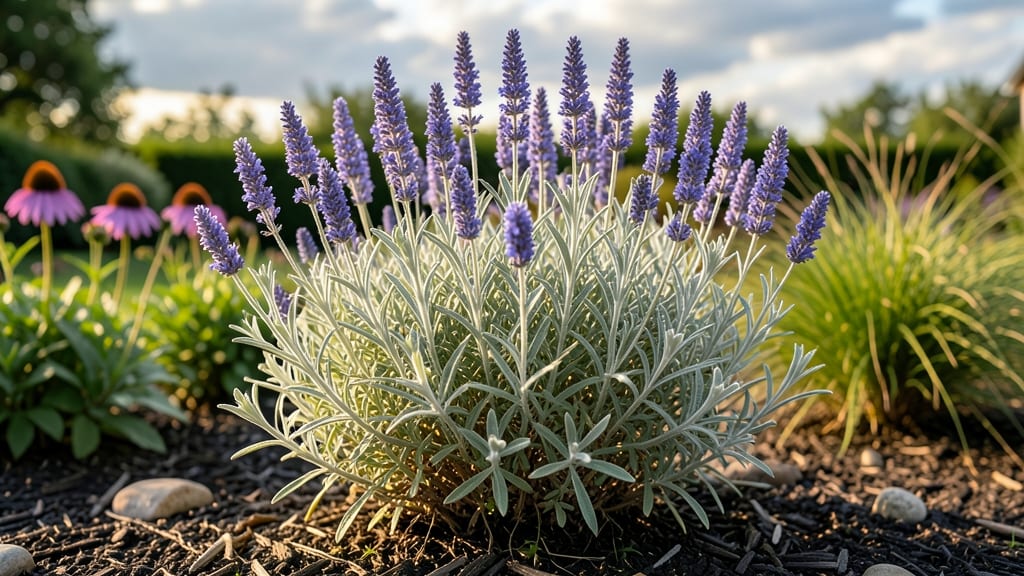
Russian sage blooms in mid-to-late summer, turning your garden into a fragrant lavender-blue dream 🌸 — but the exact timing depends on heat, sunlight, and where you live.
Picture this: you’ve waited all season, and then—just as the air warms—those tall spikes erupt in color. But if your zone runs cooler or your soil stays damp, the bloom window can shift by weeks.
That’s why knowing your local climate is the key to planning around Russian sage’s heat-triggered schedule.
From Zone 6a to the desert Southwest, bloom times vary wildly. In cooler areas, expect flowers in August; in hotter regions, they may start as early as June. The good news? A few simple adjustments—like pruning at the right time or avoiding overwatering—can stretch that blooming season for months.
Here’s what you need to know to time your Russian sage’s peak performance, from when to expect those first spikes to how to coax a second flush of flowers before frost.
Russian sage bloom time stages: heat-triggered development explained
Russian sage (Perovskia atriplicifolia) transforms your garden with its airy lavender-blue flower spikes, but its bloom cycle is tightly linked to daytime temperatures. Unlike many perennials, Russian sage responds directly to heat—ideal bloom conditions occur when daytime highs reach 65°F–85°F.
Understanding its three distinct bloom stages helps you predict when those fragrant spikes will appear and how to extend their display.
The bloom cycle begins with bud formation, a phase that starts in late spring when soil temperatures warm. Look for tiny, fuzzy buds along the stems—these are your first visual cue.
In cooler zones (USDA 3–5), bud formation may lag until mid-June, while warmer zones (USDA 7–9) see buds emerge as early as May. This stage is heat-sensitive; temperatures below 60°F can stall bud development entirely.
Peak bloom is the showstopper, where Russian sage unleashes its signature lavender-blue flower spikes that can reach 12–24 inches long. This phase typically occurs 6–8 weeks after bud formation, aligning with summer’s hottest months (July–August in most regions). The higher the daytime temperatures within the 65°F–85°F range, the more vigorous and prolonged the blooms. In Zone 9, for example, peak bloom may stretch from June through September.
As temperatures climb above 90°F, Russian sage may enter its fading phase prematurely. The flower spikes lose their vibrant color, turning silver-gray, and seed pods begin forming. This is nature’s way of signaling the plant to conserve energy for next year.
However, with proper deadheading and pruning techniques, you can coax a second, smaller bloom cycle in late summer or early fall.
| Stage | Key Visual Cues | Temperature Trigger | Duration |
|---|---|---|---|
| Bud Formation | Tiny fuzzy buds on stems | 60°F–75°F daytime | 4–6 weeks |
| Peak Bloom | Lavender-blue flower spikes (12–24") | 65°F–85°F daytime | 6–8 weeks |
| Fading Phase | Silver-gray spikes, seed pods | Above 90°F or drought | 2–4 weeks |
| Rebloom (Optional) | Smaller spikes after pruning | Cooler fall temps (55°F–75°F) | 3–6 weeks |
One of the most fascinating aspects of Russian sage’s bloom cycle is how heat triggers accelerate each stage. For example, in Zone 7, where daytime highs hit 80°F+ by early July, you’ll often see peak bloom by mid-July.
In contrast, Zone 5 gardeners may not reach peak bloom until early August due to slower soil and air warming. This delay is why Russian sage in cooler climates sometimes blooms later in the season, aligning with the dog days of summer.
To track your Russian sage’s progress, focus on the flower spike length and color intensity. Healthy blooms should be vibrant lavender-blue and 12+ inches long. If you notice spikes turning brown or gray prematurely, it’s a sign of heat stress or underwatering.
In these cases, provide afternoon shade and deep watering to prolong the display. Mulching with 2–3 inches of organic mulch also helps regulate soil temperatures, creating a more stable environment for blooming.
Pro tip: If your Russian sage finishes its main bloom cycle by late August, don’t prune it back hard—this shrub relies on old wood for next year’s flowers. Instead, lightly trim spent spikes to encourage a smaller rebloom in fall.
This late-season display is a bonus for gardeners in Zones 7–10, where cooler fall temperatures can trigger a second round of buds.
Understanding these heat-triggered stages empowers you to time your garden maintenance perfectly. For instance, if you’re planning to divide or transplant your Russian sage, aim for early spring (before bud formation) or late fall (after the first frost).
This timing minimizes stress and ensures your plants are ready to bloom on schedule the following summer.
🌸
Zone-specific Russian sage bloom schedules: when to expect flowers by region
Russian sage (Perovskia atriplicifolia) is a heat-loving perennial that adjusts its bloom schedule based on your USDA hardiness zone.
In warmer regions like Zones 7–10, those signature lavender-blue spikes often appear as early as late May, while gardeners in Zones 3–6 may not see blooms until mid-to-late July. Understanding these regional differences helps you plan for peak color and reblooming potential.
The key driver is daytime temperatures. Russian sage typically needs consistent 65°F+ readings to trigger bud formation. In cooler zones, frost delays can push first blooms into August, while southern climates may experience multiple bloom cycles from June through October.
Pruning also plays a role—hard pruning in early spring encourages earlier flowering, while light summer trims can extend the season.
Here’s how bloom timing varies across zones, including average first-flower dates and rebloom patterns:
| USDA Zone | Avg. First Bloom | Peak Bloom Period | Rebloom After Pruning | Notes |
|---|---|---|---|---|
| 3–4 | Mid-to-late July | August–September | Minimal (late August) | Late bloomers; frost risk in fall |
| 5–6 | Late June–early July | July–early September | Moderate (late July) | Prune in March for earlier blooms |
| 7–8 | Late May–June | June–October | Strong (July–September) | Multiple bloom cycles possible |
| 9–10 | April–May | May–November | Frequent (June–October) | Year-round blooms in mild winters |
In Zones 3–6, Russian sage often acts as a late-season performer, offering vibrant color when many other perennials fade. The cool spring delays bud formation, but once temperatures rise, blooms can last well into fall.
For gardeners in these regions, spring pruning is critical—cut back by 1/3 in March to encourage earlier flowering and stronger stems.
Gardeners in Zones 7–10 enjoy the advantage of earlier and longer bloom seasons. My own plants in Zone 8 typically start flowering in late May and continue through October with minimal care.
The key here is light pruning after first blooms to encourage a second flush. I’ve found that trimming spent spikes in July often triggers another round of flowers by September.
Regardless of your zone, avoid heavy pruning after mid-summer, as this can stunt fall blooms. Instead, focus on removing only dead or woody stems and let the plant enjoy the warmth of late summer to produce its best display.
With the right timing, Russian sage can transform your garden into a fragrant, blue-purple oasis from summer through autumn.