
Blooming
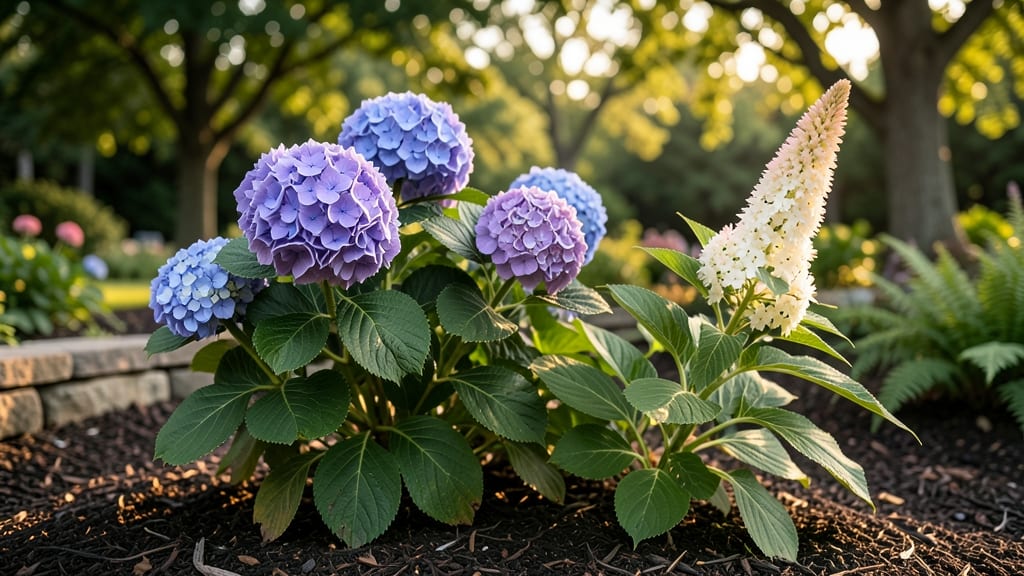
Hydrangeas in Illinois usually bloom between mid-June and early September, with timing that shifts depending on your exact USDA zone and the variety you’ve planted.
Picture this: you’ve spent months nurturing your 🌸 hydrangeas, only to wake up one morning and realize the buds haven’t even started to swell. That’s the heartbreak of planting too early—or too late—in Illinois’ unpredictable spring.
But here’s the good news: with the right timing and a few simple adjustments, you can turn that "almost" into a show-stopping summer display.
Most Illinois gardeners in zones 5b-6a see their bigleaf hydrangeas open first, around late June, followed by oakleaf varieties in July and panicle types stretching into September. The key? Knowing your zone, choosing the right variety, and giving them the care they need to beat the heat or late frosts.
In this guide, I’ll break down the exact bloom windows for each type, share my top tips for extending those vibrant colors, and even reveal which varieties hold up best in Illinois’ unpredictable weather. Let’s get those blooms on schedule!
Illinois hydrangea bloom timeline by USDA Zone and variety
Timing your hydrangea blooms in Illinois depends on two key factors: your USDA zone (4-6) and the variety you choose.
In Zone 5b, expect blooms to arrive slightly earlier than Zone 6a, where late frosts can delay the show. Mophead hydrangeas typically steal the spotlight first, followed by lacecap and oakleaf varieties, each with its own seasonal rhythm.
Understanding these patterns helps you plan your garden layout—place early bloomers where you’ll enjoy them first, like near patios or entryways. Meanwhile, late-season varieties add fall color when other plants fade.
Illinois’ humidity and summer heat also play a role, often pushing blooms to arrive earlier in southern zones like Zone 6a compared to cooler northern areas.
Here’s how to align your expectations with local climate data and variety-specific timelines to ensure your hydrangeas put on their best show:
| Variety | USDA Zone 5b Bloom Window | USDA Zone 6a Bloom Window | Climate Notes |
|---|---|---|---|
| Mophead ('Endless Summer') | Mid-June to early August | Late May to July | Early blooms may fade in hot summers; rebloom in fall if pruned. |
| Lacecap ('Vanille Fraise') | Late June to September | June to August | Longer bloom season; thrives in partial shade. |
| Oakleaf ('Snow Queen') | July to October | June to September | Late-season color; foliage turns crimson in fall. |
| Panicle ('Limelight') | July to September | June to October | Tolerates full sun; blooms extend into fall. |
In Zone 5b, where last frost dates average around April 15, hydrangeas typically begin budding in late May. However, a late frost in early June can damage emerging buds, especially for early bloomers like 'Annabelle'.
To mitigate this risk, I recommend planting heat-tolerant varieties or using frost cloth for young plants.
By Zone 6a, where summers are hotter and more humid, blooms often arrive 2-3 weeks earlier than in cooler zones. For example, 'Nikko Blue' lacecap hydrangeas may burst into color by late May, while 'Limelight' panicle hydrangeas stretch their show until October.
This extended season lets you enjoy layered color from spring through fall.
If you’re in northern Illinois (Zone 5b), focus on reblooming varieties like 'Endless Summer' mopheads, which can produce two flushes of blooms—one in early summer and another in fall.
In southern Illinois (Zone 6a), prioritize heat-resistant types like 'Little Lime' or 'Bobo', which handle 90°F+ temperatures better than traditional hydrangeas.
Don’t overlook the role of soil pH in bloom timing. Acidic soil (pH 5.0-6.0) encourages blue blooms in varieties like 'Sister Thérèse', while alkaline soil (pH 6.0-7.0) produces pink flowers.
Test your soil in early spring and amend it with sulfur or lime as needed to adjust color and promote healthier blooms.
For gardeners in urban areas or microclimates, like Chicago’s Lake Michigan influence, hydrangeas may bloom 1-2 weeks earlier due to moderating lake breezes. Conversely, inland areas like Peoria might see delayed blooms if spring rains keep soil too wet.
Monitor local weather forecasts and adjust watering schedules to avoid bud rot during prolonged wet periods.
Pro tip: Mark your hydrangea’s bloom dates each year to track patterns. Over time, you’ll notice how local weather shifts—like earlier springs—affect your plants. For instance, 2023’s warm April pushed many Zone 5b hydrangeas to bloom by May 10, a full week ahead of the 10-year average.
With this timeline in hand, you can time your garden’s peak color perfectly—whether you’re hosting summer gatherings or simply savoring your backyard oasis. Happy gardening! 🌸
How to extend hydrangea blooms in Illinois’ unpredictable spring
Illinois’ spring weather can be as unpredictable as a hydrangea’s bloom schedule—one day 60°F sunshine, the next a 32°F frost warning. But with the right strategies, you can turn your hydrangeas into long-lasting stars.
The key lies in timing pruning, soil prep, and protective measures against late frosts or heatwaves that can cut blooms short.
Start by understanding your hydrangea type: mophead and lacecap varieties bloom on old wood (last year’s growth), while panicle and oakleaf types bloom on new wood. This distinction changes everything—prune the wrong time, and you’ll sacrifice next year’s flowers.
For Illinois gardeners, this means delaying pruning until after blooms fade in fall or early spring.
🌸 5 Pro Tips to Extend Hydrangea Blooms
- 1. Prune at the Right Time: Wait until late fall or early spring (after last frost) for old-wood types. For new-wood bloomers, prune immediately after blooming to encourage fresh growth.
- 2. Adjust Soil pH for Color: Test your soil—acidic (pH 5.0-5.5) turns blooms blue, while alkaline (pH 6.0-7.0) produces pink. Use sulfur or lime to tweak levels before spring.
- 3. Mulch for Moisture & Insulation: Apply 3 inches of mulch around the base in early spring. This retains moisture (critical in Illinois’ dry spells) and protects roots from late frosts or summer heat.
- 4. Water Deeply & Consistently: Hydrangeas hate drought stress. Water deeply 1-2 times per week (more in summer heat) and avoid wetting foliage to prevent fungal diseases like powdery mildew.
- 5. Protect from Late Frosts: Cover tender blooms with frost cloth if a 32°F warning hits after buds form. Remove cloth once temps rise to 50°F to avoid overheating.
Don’t overlook fertilization—hydrangeas are heavy feeders but need the right nutrients. In early spring, apply a balanced 10-10-10 fertilizer to encourage bud formation. Switch to a low-nitrogen, high-phosphorus blend (like 5-10-10) in summer to support blooming.
Avoid high-nitrogen fertilizers, which promote leafy growth at the expense of flowers.
Heatwaves can also stress hydrangeas, causing blooms to wilt or drop prematurely. If temperatures hit 90°F+, provide afternoon shade with a lightweight shade cloth (30-50% coverage). Increase watering frequency to every 2-3 days and water at the base of the plant to keep roots cool.
A 5-gallon bucket of water poured slowly over the root zone mimics natural rainfall and reduces evaporation.
Finally, deadhead spent blooms in late summer (after they’ve faded) to redirect the plant’s energy into next year’s buds. For oakleaf hydrangeas, this step is especially critical—their showy seed heads can drain energy from new growth.
Use clean, sharp pruners and cut back to the first set of healthy leaves below the bloom.
With these strategies, your hydrangeas will bloom longer and bigger—turning Illinois’ fickle spring into a showcase season. 🌿☀️