
Blooming
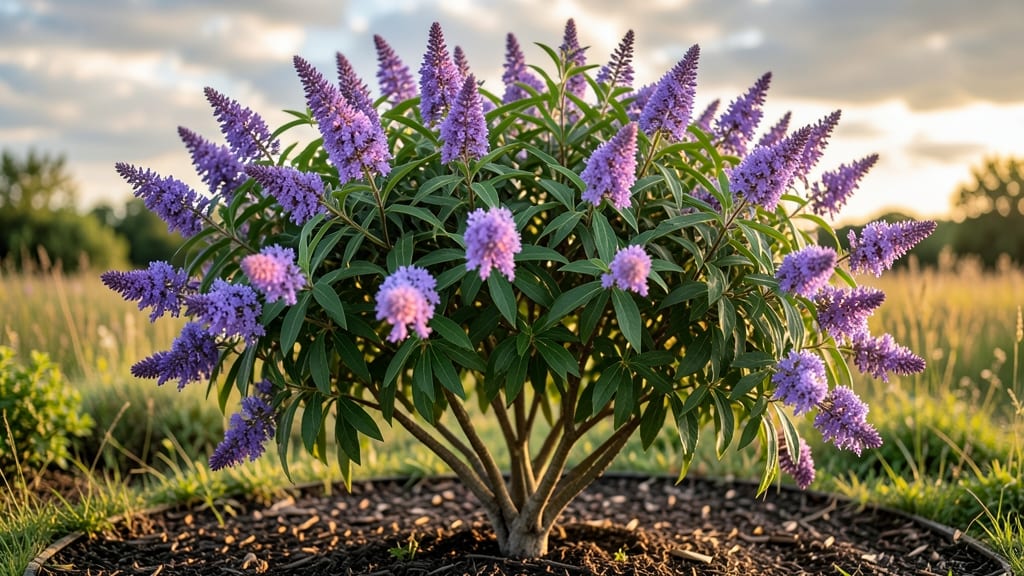
Butterfly bushes bloom in late summer, typically between July and September 🦋, but the exact timing depends on where you live and how you care for them.
If you’re eagerly waiting for your butterfly bush to burst into vibrant blooms, timing is everything—especially when planting in different USDA hardiness zones. Knowing the exact months for first flowers can mean the difference between a summer full of fluttering wings and a season of empty stems.
In cooler zones like 6a, blooms often start in early August, while warmer climates may see flowers as early as June. Pruning and sunlight play a big role too—more on that later!
Once you understand the bloom window for your region, you’ll learn how to extend those colorful spikes for weeks longer, keeping your garden buzzing with pollinators all season.
Butterfly bush bloom time by USDA planting zones (with exact months)
If you’ve planted a butterfly bush (Buddleia spp.) hoping to attract fluttering visitors, timing is everything. These pollinator magnets thrive in USDA Zones 5-10, but their bloom windows vary dramatically depending on where you live.
In cooler northern zones, expect flowers as early as mid-June, while southern gardeners may see blooms by late April. Understanding your zone’s typical bloom time ensures you’re ready to enjoy months of vibrant purple, pink, or white spikes.
Climate plays a huge role in bloom timing. Warmer zones like Zone 9-10 often see early blooms, sometimes as soon as March or April, while colder Zone 5-6 gardens may not reach peak bloom until July or August.
Even within the same zone, microclimates—like urban heat islands or sheltered garden spots—can shift bloom windows by 2-4 weeks. Let’s break down what to expect in each zone so you can plan your garden for maximum butterfly activity.
Pro Tip: Early blooming varieties like 'Lo & Behold Purple Haze' often flower 3-4 weeks earlier than standard types, making them ideal for cooler zones. Late-season varieties like 'Pink Microphone' extend the bloom period into fall, giving pollinators a longer buffet.
In Zone 5, where winters are harsh, butterfly bushes often need 2-3 years to establish before producing their first significant blooms. The mid-June start may seem late, but it aligns with when soil temperatures consistently reach 60°F—the threshold these shrubs need to trigger flowering.
If you’re in Zone 6, you’ll notice blooms arrive about 2 weeks earlier than in Zone 5, with peak activity stretching into early September.
Gardeners in Zone 7 enjoy the longest bloom windows, often from early June through September. This zone’s moderate climate allows butterfly bushes to produce two flushes of blooms if given proper care, like deadheading spent flowers and light fertilizing in early summer.
The key is maintaining consistent moisture without waterlogging the roots—these shrubs hate soggy soil.
Southern zones like 8-10 offer the earliest blooms, with some varieties starting as early as March. In Zone 9, you might see continuous blooms from April through November, while Zone 10 gardeners can enjoy flowers year-round in ideal conditions.
However, even in warm climates, butterfly bushes benefit from a dormant period. Pruning back 1/3 of the plant in late winter encourages stronger spring growth and more abundant blooms.
Did you know? Butterfly bushes in Zone 10 can produce flowers 12 months a year if not pruned back, but this reduces plant vigor. A light winter pruning (removing only dead wood) keeps the plant healthy while maintaining a steady supply of nectar for pollinators.
In cooler zones, mulching heavily in fall protects roots and can advance bloom time by 1-2 weeks the following year.
For gardeners in transitional zones (like Zone 7b), microclimates matter. A south-facing wall can push bloom time 2 weeks earlier compared to a shady spot. Even a black mulch (like landscape fabric) absorbs heat and warms the soil faster, encouraging earlier flowering.
If you’re in doubt about your exact bloom window, track your plant’s progress for a few years—local conditions often override general zone guidelines.
One common mistake is assuming all butterfly bush varieties bloom at the same time. Early bloomers like 'Fast Track' may flower as early as May in Zone 6, while late varieties like 'Miss Ruby' might not peak until August.
Mixing varieties extends your garden’s pollinator season from early summer to fall. For maximum impact, plant 3-5 bushes of different varieties—this creates a staggered bloom effect that keeps butterflies visiting all season.
🦋
How to extend butterfly bush bloom time with pruning and care
Your butterfly bush can burst into vibrant blooms for 8+ weeks instead of just 4-6 with the right care. The secret lies in strategic pruning, deadheading, and seasonal maintenance that encourages repeat flowering.
Unlike many shrubs, butterfly bushes respond beautifully to late-season cuts, giving you a second flush of flowers in late summer or early fall.
Timing is everything—prune too early, and you’ll sacrifice spring blooms. Prune too late, and you’ll miss the chance for a fall rebloom. I’ve found that late-winter pruning (just before new growth starts) and mid-summer deadheading are the two most effective techniques for extending your butterfly bush’s bloom time.
Let’s break down the exact steps to maximize your plant’s flowering potential.
Step-by-Step Guide to Extend Bloom Time
- 1 Late-Winter Pruning (Zones 5-10): Cut back 1/3 of the oldest stems to the ground in February or March. This removes dead wood and encourages vigorous new growth with more flower buds. Use clean, sharp pruning shears to avoid tearing stems.
- 2 Deadhead Regularly: Snip off spent flower spikes every 2-3 weeks during peak bloom (June-August). This redirects energy to producing new buds instead of seed pods. Wear gloves—butterfly bush stems can be prickly!
- 3 Mid-Summer Light Pruning: In July or August, trim back 1/4 of the current season’s growth to stimulate a second wave of blooms. Focus on the tips of branches to encourage bushier growth.
- 4 Fertilize Strategically: Apply a balanced fertilizer (10-10-10) in early spring and again after mid-summer pruning. Avoid high-nitrogen feeds—they promote foliage over flowers. Use 1 tbsp per plant and water thoroughly afterward.
- 5 Water Deeply but Infrequently: Water at the base of the plant in the morning to encourage deep root growth. Established bushes need water every 7-10 days in dry spells, but avoid soggy soil—butterfly bushes hate wet feet.
Don’t forget that butterfly bushes thrive on neglect once established, but a little extra care goes a long way for extending their bloom time. I’ve seen ‘Purple Haze’ varieties bloom from June through September with these techniques—double the usual season!
The key is consistency: stick to the pruning schedule, and your bush will reward you with continuous color.
For second blooms, the mid-summer pruning step is critical. Many gardeners skip this, assuming the plant is done for the year. But by trimming back just a few branches, you’re essentially giving your butterfly bush a second chance to shine.
Pair this with a light fertilizer application, and you’ll see new flower buds forming in 4-6 weeks.
Pro tip: If you live in Zones 8-10, your butterfly bush might bloom year-round with minimal care. In cooler zones (5-7), focus on spring and fall pruning to protect against frost while still encouraging late-season blooms.
With the right approach, your butterfly bush can become the star of your garden from summer to early autumn.
Remember, the goal isn’t just more flowers—it’s healthier growth and a longer season of pollinator activity. Happy gardening, and may your butterfly bush be a magnet for monarchs and hummingbirds all season long! 🦋