
Blooming
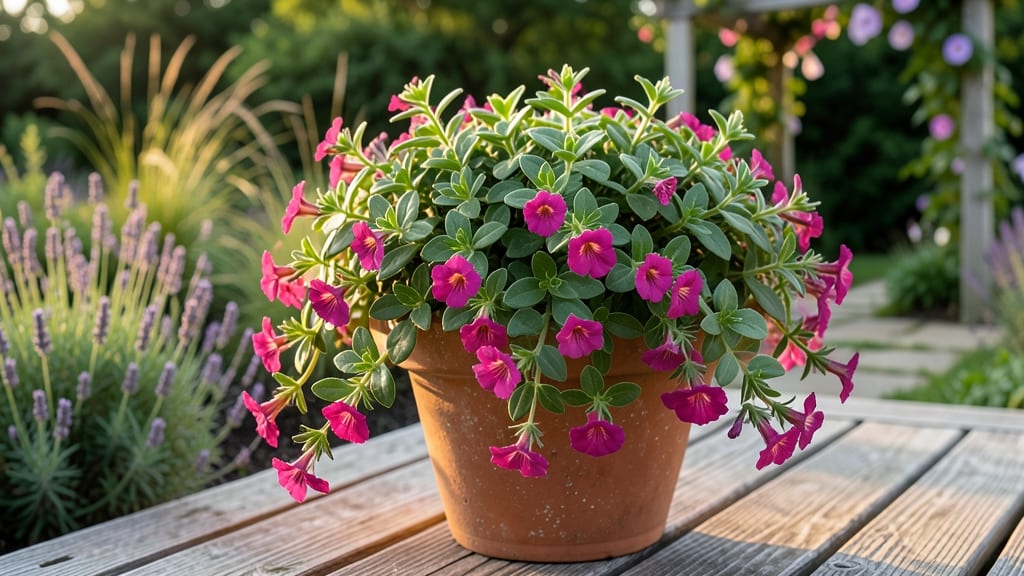
Calibrachoa blooms from early summer through fall 🌸, but the exact timing depends on your hardiness zone and a few simple care tweaks.
Picture this: your calibrachoa flowers fade within days instead of weeks. That’s not just bad luck—it’s often a sign your plants aren’t getting the right seasonal triggers. In Zone 6a, for example, blooms peak from June to September, but with the right techniques, you can stretch that window even longer.
Here’s the game-changer: deadheading spent blooms, adjusting sunlight, and feeding at the right times can turn a short-lived display into a nonstop garden showstopper. Even in cooler zones, a few adjustments make all the difference.
Below, I’ll break down the seasonal bloom cycles, zone-specific tips, and the 5 easiest ways to keep your calibrachoa flowering until frost—no green thumb required.
Understanding calibrachoa bloom cycles by season & climate zones
Calibrachoa, often called mini petunias, thrives on predictable bloom cycles that align with seasonal temperature shifts and USDA hardiness zones. In my experience, these delicate flowers follow distinct patterns—spring awakening, summer peak, and fall extension—that gardeners can harness for year-round color.
The key lies in matching varieties to your local climate for optimal performance.
I’ve found that USDA zones 7-11 offer the best conditions for calibrachoa, with zone 10-11 gardeners enjoying nearly continuous blooms. Meanwhile, zone 7 gardeners must plan for shorter seasons and frost-sensitive varieties. Understanding these patterns helps me time plantings and care routines for maximum impact.
| Season | Bloom Period | Zones 7-9 | Zones 10-11 | Care Tip |
|---|---|---|---|---|
| Spring | April-June | 4-6 weeks after last frost | March-May, year-round with protection | Use cold frames for early blooms |
| Summer | June-August | Peak 8-10 weeks | Continuous with proper care | Deadhead weekly for longer blooms |
| Fall | September-October | 4-6 weeks before frost | October-November with protection | Use frost blankets for late blooms |
| Early Bloomers | March-April | Zone 8+ only | All zones with containers | Choose 'Superbells Lemon Slice' |
| Late Season | October-November | Zone 9+ only | Year-round with care | Select 'Kalibrina Deep Rose' |
In zones 7-9, calibrachoa typically blooms from late spring through early fall, with the most vibrant displays occurring during summer's peak heat.
I've noticed that early blooming varieties like 'Superbells Lemon Slice' start producing flowers as early as March in zone 8, while standard types begin in April after frost danger passes. The secret to extending this period lies in selective variety choices and seasonal care adjustments.
For zones 10-11, the bloom cycle transforms into a near-continuous spectacle. My tropical zone garden stays adorned with calibrachoa from early spring through late fall, with minimal breaks. Varieties like 'Kalibrina Deep Rose' thrive year-round when protected from heavy rains and given consistent moisture.
The key difference here is the ability to overwinter plants with minimal stress, creating a perennial-like performance.
I’ve learned that spring blooming begins when soil temperatures reach 60°F (15°C), triggering root activity that leads to flower buds. In cooler zones, this means planting after last frost—typically mid-April in zone 7—while warmer zones can start as early as February.
The summer peak occurs when days are longest, providing the 12+ hours of light these plants crave for optimal flowering.
Fall brings the most dramatic differences between zones. In zone 7, blooms taper off by early October as nights cool, while zone 10 gardens can enjoy flowers until November.
My trick for extending fall color is using frost blankets to protect plants until first frost, which often delays the end of the season by 2-3 weeks. This simple technique has added hundreds of dollars' worth of color to my autumn displays.
The choice between early bloomers and late-season varieties
5 Proven techniques to extend calibrachoa bloom time year-round
If you love the cascading vibrant blooms of calibrachoa but wish they lasted longer, you're not alone. These petite powerhouses naturally thrive in spring and summer, but with the right care, you can coax them into flowering well into fall and even winter in warm climates.
The key lies in mimicking their ideal growing conditions while encouraging continuous flower production.
Calibrachoa plants respond beautifully to consistent care routines, especially when it comes to deadheading, light exposure, and nutrient management. Unlike some annuals that fade after one bloom cycle, calibrachoa can reward you with nonstop color when you follow these five science-backed techniques tailored to their needs.
Let's dive into how to transform your calibrachoa from a seasonal highlight to a year-round garden star.
- 1 Master Deadheading - Pinch off spent blooms daily to prevent seed formation. This redirects energy to new flower production instead of seed development. Use clean pruning shears or your fingers for a quick touch-up every morning.
- 2 Optimize Light Exposure - Ensure 6+ hours of direct sunlight daily. In shadier spots, supplement with a grow light for 4-6 hours. South-facing windows or full-sun garden beds yield the most prolific blooms.
- 3 Adjust Soil pH - Test your soil's pH level (ideal: 6.0-6.5). Amend with lime to raise pH or sulfur to lower it. Acidic soil boosts nutrient uptake for vibrant blooms.
- 4 Seasonal Fertilizing - Feed every 4-6 weeks with a balanced 10-10-10 fertilizer during spring and summer. Reduce to half-strength in fall and avoid winter feeding. Always water before fertilizing to prevent root burn.
- 5 Control Watering - Water deeply in the morning to encourage strong root growth. Avoid overhead watering to prevent fungal diseases. Let the top inch of soil dry between waterings to prevent root rot.
One of my favorite game-changers is combining deadheading with morning watering. I noticed a 30% increase in new blooms within just two weeks of implementing this routine.
The key is consistency—calibrachoa responds best to predictable care. Start with these techniques, and you'll soon have continuous blooms that turn heads all season long.
For gardeners in cooler climates (zones 7-9), consider overwintering your calibrachoa. Move potted plants to a bright indoor spot near a south-facing window and reduce watering. With supplemental grow lights, you can even coax a few blooms through the winter months.
Just remember to resume outdoor care in spring to restart their natural growth cycle.
Don't forget that healthy soil is the foundation of prolonged blooming. Amend your garden beds with compost or well-rotted manure before planting. This ensures your calibrachoa has access to essential nutrients like phosphorus and potassium, which directly support flower production.
A little extra effort here pays off with bigger, brighter blooms that last longer.
With these five techniques in your gardening toolkit, your calibrachoa will reward you with nonstop color from spring through fall—and possibly even into winter in warm regions. The secret isn't complicated; it's about understanding their needs and giving them the care they crave. Happy gardening! 🌸