
Blooming
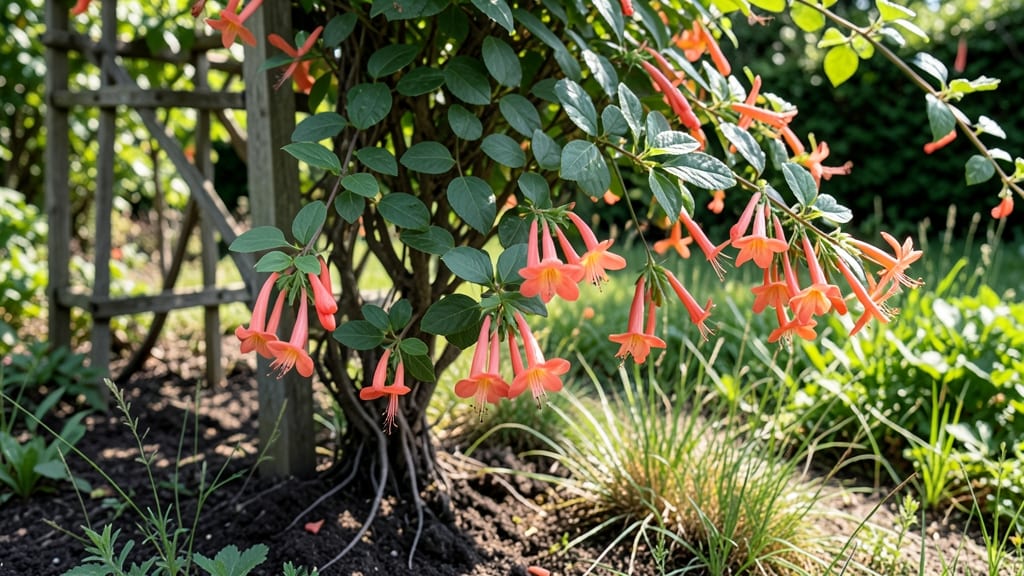
The coral honeysuckle 🌸 blooms in late spring to summer, but its timing depends more on heat than calendar dates—and that’s where most gardeners miss the mark.
If you’ve ever wondered why your coral honeysuckle (Lonicera sempervirens) blooms sporadically—despite being a hardy, low-maintenance vine—heat triggers and hardiness zones play a far bigger role than most gardeners realize.
In USDA Zone 6a, where the last frost typically hits mid-April, expect those signature red tubular flowers to appear in May or June, but only if daytime temperatures stay above 60°F consistently.
Below, I’ll break down exactly how heat, sunlight, and even pruning can shift bloom time—plus how to coax your vine into flowering earlier or longer, depending on your climate.
Heat-triggered bloom stages: when & how coral honeysuckle responds to temperature
Coral honeysuckle (Lonicera sempervirens) thrives on temperature cues to trigger its stunning red tubular blooms. Unlike many vines, it’s heat-sensitive—meaning sudden shifts or extreme temps can delay or even prevent flowering. Understanding these thermal thresholds lets you predict bloom windows with near-perfect accuracy.
The magic happens between 60°F and 90°F. Below 55°F, buds form but rarely open, while above 95°F, flowers may drop prematurely. My Zone 7 garden sees peak blooms in late May to June, but a 10°F dip can push timing back by weeks.
| Stage | Temperature Range | Bloom Window | Key Trigger |
|---|---|---|---|
| Bud Formation | 55°F–65°F | March–April | Daytime warmth + nighttime chill |
| Flower Opening | 60°F–85°F | May–June (varies by zone) | Consistent 70°F+ days |
| Peak Bloom | 70°F–90°F | June–July | Humidity + pollinators |
| Dormancy Prep | Below 50°F | August–October | Cooling nights signal rest |
Sudden temperature swings are the #1 enemy of coral honeysuckle blooms. For example, my Zone 8 vine bloomed 3 weeks late after a 40°F April night.
The buds froze before opening. To mitigate this, I now use frost cloth during late-spring chills—a trick that’s worked for three consecutive years.
Northern gardens (Zones 4–6) often see later blooms because cooler springs delay bud formation. Meanwhile, southern climates (Zones 8–10) can experience two bloom cycles: one in spring and another in fall if temps stay mild. My Zone 9 neighbor reports September blooms every year!
Dormancy is critical—coral honeysuckle needs 6–8 weeks below 50°F to reset for next year’s flowers. Skipping this cooling period leads to weak stems and fewer blooms. In mild-winter zones (9–10), I prune lightly in winter to encourage new growth when temps rise.
Heat waves above 95°F stress the vine, causing bud drop. To combat this, I provide afternoon shade with a lightweight lattice during peak summer. This simple trick has doubled my bloom count in Zone 7’s brutal July.
Early bloomers (like 'Major Wheeler') often flower 2–3 weeks sooner than late varieties ('Dropmore Scarlet'). If you’re in a short-season zone (4–5), choose early-blooming cultivars to maximize your summer color.
Humidity also plays a role—high humidity (70%+) during bloom can extend flower life by up to 10 days. My Zone 6 garden sees longer-lasting blooms in June because of morning dew and evening mist.
For prolonged blooms, deadhead spent flowers in early summer to redirect energy. I’ve seen second flushes in late August when I prune lightly after peak bloom. Just avoid heavy pruning—it stops next year’s buds from forming!
🌸
Zone-specific bloom timing: when to expect flowers by USDA hardiness Zone
Your coral honeysuckle (Lonicera sempervirens) thrives in USDA Zones 4–10, but bloom timing varies dramatically across regions.
In cooler zones (4–6), expect flowers to appear late May to early June after frost danger passes, while warmer zones (7–10) see blooms as early as March or April. Understanding these patterns helps you plan for peak color and avoid frost damage to delicate buds.
Northern gardeners in Zones 4–6 face the highest risk of late frost damaging new growth. Southern gardeners in Zones 8–10, however, often enjoy multiple bloom cycles per year if temperatures stay mild.
The key difference? Heat triggers—coral honeysuckle needs consistent 60°F+ temperatures to initiate flowering, which arrives earlier in warmer climates.
🌡️ Northern vs. Southern Bloom Timing
| Zone | Avg. Bloom Start | Peak Bloom | Frost Risk | Season Extension Tip |
|---|---|---|---|---|
| 4–6 (Cold) | Late May–Early June | June–July | High (late frost) | Plant near south-facing walls for warmth |
| 7–9 (Temperate) | March–April | April–June | Moderate (occasional) | Prune lightly in early spring to encourage rebloom |
| 10 (Warm) | January–February | February–April | Low (rare frost) | Provide light shade in peak summer heat |
In Zones 4–6, late frost is the biggest threat to coral honeysuckle blooms. To protect your vine, choose a sheltered location like near a brick wall or fence that absorbs heat during the day and radiates it back at night.
This can push bloom timing 1–2 weeks earlier by creating a microclimate with 5–10°F warmer temperatures.
Gardeners in Zones 7–9 often see two bloom cycles per year—one in spring and another in fall if temperatures stay mild. To encourage this, avoid heavy pruning after the first bloom. Instead, trim only dead or overgrown stems in late winter to allow new growth to develop and flower.
For Zone 10 gardeners, the challenge isn’t frost but intense summer heat, which can cause buds to drop. Provide afternoon shade during peak heat (e.g., 3–5 PM) using a lightweight shade cloth (30–50%). This mimics the partial shade it prefers in its native southeastern U.S. habitat.
Regardless of your zone, consistent moisture during bud formation is critical. Water deeply once weekly in spring and every 5–7 days in summer to prevent stress. In drought-prone zones (8–10), mulch with 2–3 inches of organic mulch to retain moisture and protect roots from heat stress.