
Blooming
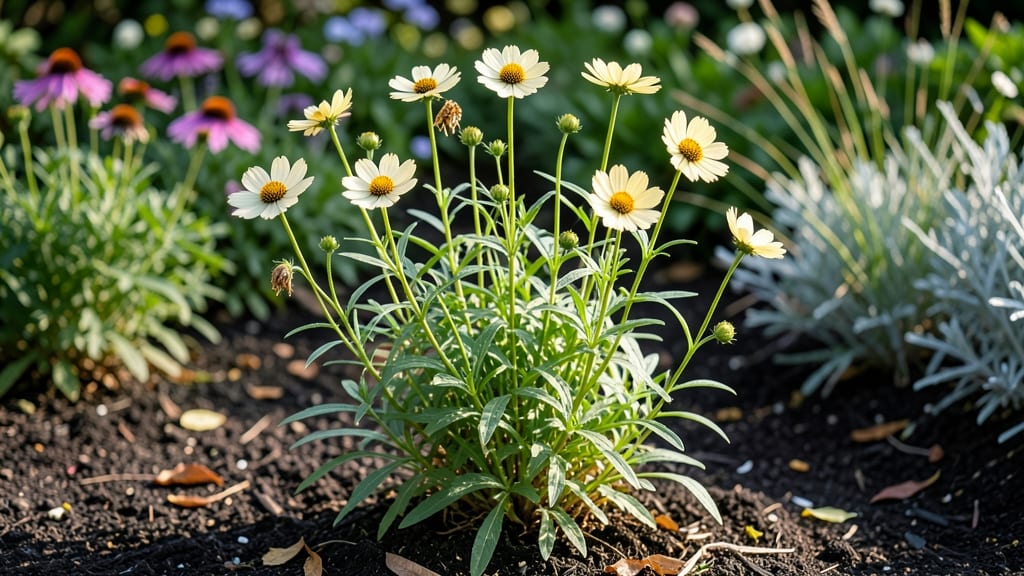
The coreopsis bloom time spans from early summer through fall 🌼, turning your garden into a sun-drenched canvas of cheerful yellows, pinks, and reds—but not all varieties follow the same schedule.
If you love vibrant, low-maintenance flowers that keep your garden buzzing with color from spring to fall, Coreopsis is your perfect plant—but timing is everything. Knowing exactly when each variety blooms helps you plan for nonstop seasonal beauty without gaps.
Some types like 'Moonbeam' kick off in June, while others like 'Zagreb' stretch into September, making them the ultimate bridge between summer and autumn. The key to maximizing their show? A little deadheading and the right sunlight.
Below, I break down bloom times by variety, share tricks to extend their season, and reveal which companions keep them flowering longer—so you can enjoy that cheerful 🌼 glow all season long.
Coreopsis bloom time by season: when each variety peaks
Coreopsis is one of my favorite perennial flowers because it delivers bold color with minimal fuss. But if you want your garden to stay vibrant from early summer through fall, you’ll need to know which varieties bloom when.
Some early-season performers kick off the show, while others shine late into autumn, creating a seamless transition of color.
The key to planning your seasonal color palette lies in understanding each variety’s natural bloom window. For example, 'Moonbeam' lights up gardens in late spring, while 'Zagreb' extends the party well into October. By mixing these varieties, you can enjoy nonstop blooms without gaps.
Here’s a quick breakdown of bloom times for popular Coreopsis varieties to help you strategize your planting schedule:
If you’re in a cooler climate (USDA Zones 3–5), expect blooms to start 2–4 weeks later than in warmer regions. For example, 'Early Bird' might not peak until early June in northern gardens, while 'Zagreb' could still shine until frost in Zone 7.
For a continuous bloom display, pair early bloomers like 'Moonbeam' with late-season stars like 'Zagreb'. This creates a seamless transition from spring to fall. I’ve found that adding 'Sunray' bridges the gap between June and September, ensuring my garden never looks bare.
Pro tip: Deadheading spent blooms—especially on reblooming varieties like 'Lemon Sunburst'—can extend their season by 3–4 weeks. Simply snip off faded flowers just above the next set of leaves to encourage fresh blooms.
Another trick is to plant dwarf varieties like 'Nana' in containers. This lets you move them to optimal sunlight spots as seasons shift, giving you more control over their bloom timing. Plus, they’re perfect for balcony gardens or patio planters.
Don’t overlook soil conditions—well-draining, slightly alkaline soil (pH 6.0–7.0) helps Coreopsis thrive. Amending your soil with compost before planting can boost vigor, leading to longer bloom seasons and more vibrant colors.
With the right mix of varieties and a little strategic care, your Coreopsis can keep your garden bursting with color from late spring through the first frost. Start by planting early bloomers in early spring, then follow up with mid- and late-season performers for a nonstop floral show.
How to stretch Coreopsis bloom time with simple gardening hacks
Coreopsis thrives as a low-maintenance perennial, but its natural bloom cycle often feels too short for gardeners craving year-round color. The good news? With a few simple techniques, you can extend those cheerful yellow, pink, and red blooms by weeks—or even months.
The secret lies in understanding what triggers reblooming and how to mimic ideal growing conditions.
Most Coreopsis varieties bloom from early summer to early fall, but some, like 'Early Sunrise', start as early as May, while others, like 'Moonbeam', stretch into October.
The key to prolonging this display is encouraging new growth after each flower fades. Let’s dive into the easiest ways to keep your Coreopsis in full bloom longer.
Start with deadheading, the simplest hack to extend Coreopsis bloom time. As soon as a flower fades, snip it off just above the next set of leaves. This removes spent blooms and signals the plant to redirect energy into producing new flowers.
For varieties like 'Zagreb' Coreopsis, this can add 4-6 weeks of continuous blooming if done consistently.
Next, focus on soil health. Coreopsis prefers well-draining, slightly dry soil, but adding a layer of compost in early spring boosts nutrient availability without encouraging excessive foliage. A balanced fertilizer (like 5-10-10) applied in early summer can also promote stronger stems and more abundant blooms.
Avoid heavy fertilizers, which lead to leafy growth at the expense of flowers.
Watering plays a crucial role too. While Coreopsis is drought-tolerant, it still needs deep, infrequent watering—about 1 inch per week during dry spells. Watering in the early morning prevents fungal issues and encourages roots to grow deeper, which supports longer bloom cycles.
Let the top inch of soil dry out between waterings to avoid root rot, a common issue that weakens plants and shortens their flowering season.
Finally, pair your Coreopsis with companion plants that improve its performance. Planting near lavender or catmint deters pests, while marigolds can repel harmful insects. These companions create a healthier environment, reducing stress on your Coreopsis and allowing it to focus on producing more blooms.
For a longer fall display, try planting 'Sunray' Coreopsis near sedum, which blooms later in the season and extends your garden’s color palette.
With these simple, science-backed hacks, your Coreopsis will reward you with nonstop color from early summer well into fall—sometimes even through the first frost. The best part? These techniques work for both perennial and annual varieties, making them universally useful for any garden. Happy gardening! 🌼