
Blooming
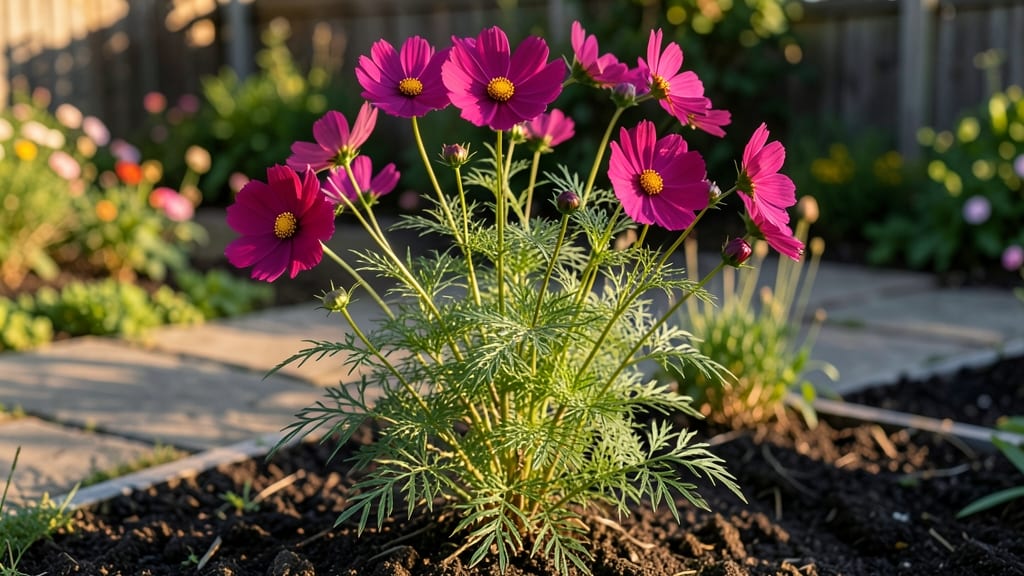
Cosmos flowers bloom when temperatures hit 60°F and stay there, turning your garden into a dazzling summer show 🌼 — but only if you time your planting right.
If you’ve ever planted cosmos hoping for a vibrant summer display, you know the frustration of waiting for those delicate blooms to appear — only to see them fade too soon. The secret to unlocking their full potential lies in understanding their heat-triggered bloom cycles and mastering simple care tricks.
Most cosmos varieties in USDA Zone 6a start blooming as early as June, with peak flowering from July to September if given the right conditions.
With a few strategic moves — like deadheading spent blooms and pairing them with the right companions — you can stretch that floral show well into October.
Below, I’ll walk you through the exact stages of cosmos bloom time, how to accelerate flowering, and the easiest deadheading hacks to keep your plants producing blooms all season long.
How heat triggers cosmos bloom time: stages & temperature secrets
Cosmos flowers are famous for their effortless beauty, but their bloom timing is tightly linked to temperature triggers and day-length sensitivity. Unlike many flowers, cosmos respond dramatically to warmth thresholds, with germination and flowering accelerating as temperatures rise.
Understanding these heat-dependent stages lets you time your planting for the longest possible display.
The magic happens when soil temperatures hit 60°F (15°C)—this is your germination trigger point. Seeds planted too early in cool soil may rot, while those in 70°F+ (21°C+) soil sprout in just 5-7 days.
Once sprouted, young cosmos thrive in 75°F–85°F (24–29°C) ranges, where they grow 2–3 inches per week under full sun.
Here’s how temperature ranges control each bloom stage:
In short-day climates (like the Southeast U.S.), cosmos often bloom earlier because longer daylight hours trigger flowering. Conversely, in long-day northern regions (Zone 4–5), they may wait until July to respond. The key is planting when your average nighttime temps stay above 65°F (18°C)—this ensures buds form without stress.
To accelerate blooming, try these heat-hack strategies: 1. Start seeds indoors 4–6 weeks before last frost, then transplant when soil hits 60°F. 2. Use row covers for early spring plantings to add 5–10°F warmth.
3. Choose early varieties like 'Sensation Mix', which blooms in 60–70 days vs. 90+ for standard types.
Extreme heat above 95°F (35°C) can cause bud drop, so provide afternoon shade in Zone 8–10 climates. Mulch with straw or wood chips to keep roots cool while maintaining warmth at the surface for roots.
Pro tip: Succession plant every 2–3 weeks from spring to early summer. This staggered approach ensures continuous blooms from June through frost, turning your garden into a nonstop floral show.
🌼
Deadheading cosmos for longer blooms: step-by-step hacks & common mistakes
Deadheading cosmos flowers is the secret weapon for extending their bloom time from summer into early fall. When done correctly, this simple technique can double your floral display by encouraging new buds to form. The key lies in understanding when and how to remove spent blooms without harming your plants.
I’ve learned through trial and error that timing matters. Deadheading at the wrong time—like late in the day—can stress your cosmos and even attract pests. Plus, using the wrong tools can lead to jagged cuts that slow down regrowth.
Let’s break down the exact steps and common pitfalls to keep your cosmos blooming beautifully all season.
⚠️ Critical Bloom Time Warning
Cosmos typically bloom 60-90 days after planting, but heat triggers their flowering. If your plants aren’t blooming by mid-summer, check these 3 factors:
- ❄️ Temperature: Needs consistent 60°F–90°F days
- ☀️ Sunlight: 6+ hours of direct sun daily
- 💧 Watering: Deep soaks (not frequent shallow water)
Ignoring these can delay blooms by 2-4 weeks—even with perfect deadheading!
Start by choosing the right deadheading method. For cosmos, I recommend snipping spent blooms with clean, sharp pruning shears just above a set of healthy leaves. This encourages bushier growth and more flowers. Avoid pinching (removing stems with fingers), as it can damage the plant and leave unsightly tears.
Timing is everything—morning deadheading is ideal because it allows the plant to recover during the day. If you must deadhead in the evening, do so at least 4 hours before sunset to prevent stress.
I’ve seen cosmos rebloom in just 7-10 days when deadheaded correctly in the morning versus 3 weeks if done at night.
One common mistake is over-pruning, which can stunt new growth. Never remove more than one-third of the plant’s height in a single session. Another error is leaving seed heads on the plant, which signals to cosmos that it’s time to stop flowering and focus on seed production.
Always remove entire spent blooms, including the seed pod.
Use the right tools to make deadheading effortless and precise. A pair of bypass pruners or sharp scissors works best for cosmos. Disinfect your tools with rubbing alcohol between plants to prevent the spread of disease.
For large patches, consider garden shears with a 45-degree angle cutter to minimize damage to stems.
With these step-by-step hacks, your cosmos will reward you with nonstop blooms from early summer through frost. The key is consistency—deadhead every 2-3 days during peak bloom season to keep your plants producing. Happy gardening! 🌼