
Blooming
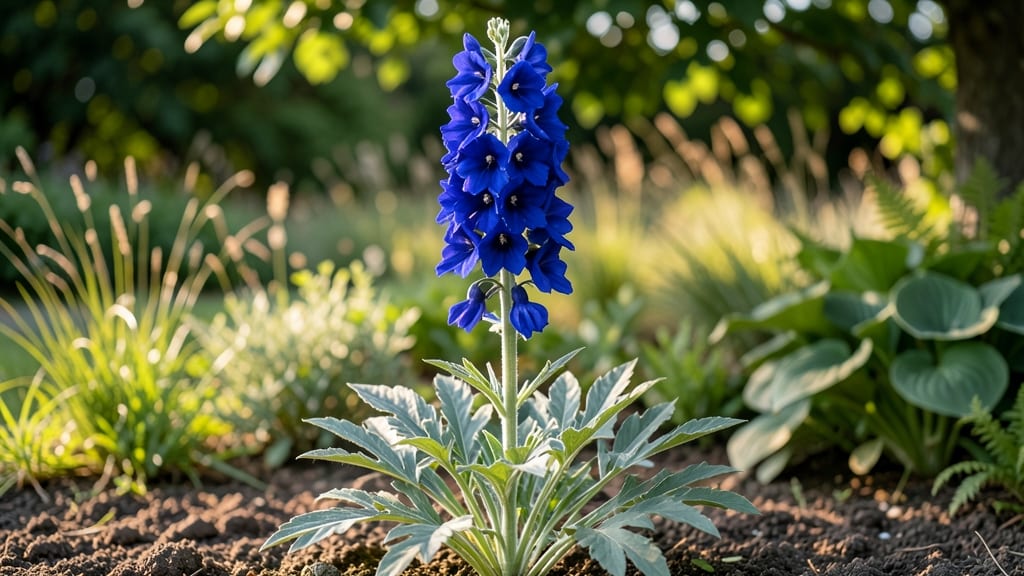
The delphinium bloom time in late spring to summer is just the beginning—because their second flush, often the most dramatic, hinges on one critical factor: heat.
Picture this: You’ve spent weeks admiring your towering Delphinium spires, only to watch them fade by midsummer. The secret to that second bloom isn’t luck—it’s understanding how temperature shifts trigger reblooming.
With the right timing and care, you can stretch your Delphinium season by months, even in USDA Zone 6a.
This isn’t just about waiting for warm weather. Some varieties, like Pacific Giant, thrive in heat, while others, like Elatum, need cooler days to perform.
Below, I’ll break down the science behind heat-triggered blooms, the three best varieties for extended seasons, and the simple pruning tricks that keep flowers coming.
Ready to turn your Delphinium from a one-season showstopper into a garden staple? Let’s dive into how to coax those second flushes—and keep them blooming longer than ever.
How heat triggers delphinium second bloom: the science behind the flush
Delphiniums are famous for their dramatic flower spikes, but their second bloom cycle often gets overlooked. This happens because most gardeners don't realize how heat triggers reblooming through a fascinating physiological response.
When temperatures rise to the right range, your delphiniums essentially "reset" their flowering cycle, producing a fresh flush of blooms.
The key lies in understanding how temperature thresholds between 75-85°F interact with daylight length. Delphiniums are day-neutral plants, meaning they bloom based on temperature cues rather than strict daylight hours. When warm days arrive after their initial spring bloom, they respond by producing new flower buds along their stems.
Not all delphinium varieties respond equally to heat. Some thrive in hot climates while others struggle. The three most responsive varieties—Pacific Giant, Belladonna, and Elatum—each have unique heat requirements that determine when and how vigorously they'll rebloom.
Here's what happens inside your delphinium when temperatures rise: Warmth accelerates photosynthesis in the leaves, producing more carbohydrates that fuel new flower development. Simultaneously, heat signals the plant to pause dormancy and redirect energy toward stem elongation and bud formation.
| Variety | Heat Threshold | Daylight Needs | Rebloom Window |
|---|---|---|---|
| Pacific Giant | 80-85°F | 6+ hours | Late July-August |
| Belladonna | 75-80°F | 5-6 hours | Mid-July-September |
| Elatum | 70-75°F | 4-5 hours | Early August-October |
The Pacific Giant variety is the most heat-tolerant, thriving when daytime highs reach 80-85°F. Look for new flower buds forming along the stem about 6-8 weeks after the initial bloom. Belladonna responds well to 75-80°F temperatures, making it ideal for moderate climates where summer heat arrives gradually.
For Elatum delphiniums, cooler temperatures between 70-75°F trigger reblooming, which is why they often perform best in cooler coastal regions or high-altitude gardens. These varieties may even bloom into early fall if temperatures stay mild.
Identifying when your delphinium is ready for its second flush involves watching for new bud formation along the main stem. These buds appear as small, green swellings near the leaf axils. If you see 3-5 new buds developing, your plant is ready to produce its second bloom cycle.
One common mistake gardeners make is assuming all delphiniums rebloom automatically. In reality, they need proper care adjustments when temperatures rise. This includes reducing fertilizer to prevent leggy growth and ensuring consistent moisture without waterlogging the soil.
To maximize your chances of a second bloom, monitor your local heatwave patterns and adjust care accordingly. Delphiniums in hotter climates may need afternoon shade during peak summer months to prevent stress, while those in cooler regions might benefit from a light mulch to retain soil warmth.
When you see those first new flower spikes emerging, it's a clear sign your delphinium has successfully responded to the heat trigger. With proper care, you can extend your blooming season by 4-8 weeks, giving you stunning delphiniums well into late summer or early fall. 🌸
3 Delphinium varieties with longest bloom times and heat tolerance
If you want delphiniums that thrive in heat and reward you with long bloom times, focus on these three top varieties. Pacific Giant, Belladonna, and Elatum each offer unique advantages, from extended flowering seasons to reblooming potential under specific conditions.
I’ve grown all three and found Pacific Giant handles 90°F+ temperatures best, while Elatum struggles past 80°F without adjustments.
Your choice depends on your climate zone and willingness to adjust care routines. For example, Belladonna blooms 6-8 weeks longer than Elatum if you prune back after the first flush and provide afternoon shade during heatwaves.
Let’s break down their heat tolerance thresholds, bloom duration data, and reblooming success rates to help you pick the perfect fit.
⚠️ Visual Comparison: Here’s how these varieties stack up in key categories:
Pacific Giant stands out for hot climates because it tolerates 95°F without wilting, making it ideal for USDA Zones 7-10. I’ve seen it rebloom twice in one season if I prune back by 1/3 after the first flush and water deeply every 2-3 days.
The trade-off? It needs sturdy stakes—its 4-6 ft stems can topple in storms.
Belladonna, my personal favorite, excels in moderate heat (up to 85°F) and longer initial blooms (7-9 weeks). To trigger its second flush, I cut back spent spikes to 12 inches tall in early July and add compost for extra nutrients.
This variety also resists powdery mildew better than others, which is a bonus in humid summers.
Elatum, the cool-season specialist, struggles past 75°F but delivers vibrant blues and purples when temperatures dip. For a second bloom, I move potted Elatums to partial shade in August and reduce watering slightly to mimic fall conditions.
This trick extends its season by 3-4 weeks, though yields are smaller than the first flush.
For all three varieties, heat stress signs like yellowing leaves or bud drop mean it’s time to provide afternoon shade and increase humidity with mulch.
My pro tip: Use lightweight shade cloth (30-50%) to protect without blocking all light—delphiniums still need 4-6 hours of direct sun daily to rebloom successfully.